Old Assyrian Period: The Rise of a Trading Powerhouse
Long before the fearsome military empires of the Neo-Assyrian era, the city of Assur existed as a modest but economically vibrant city-state in northern Mesopotamia. Spanning roughly from 2025 BC to 1364 BC, the Old Assyrian period is characterized not by conquest, but by a sophisticated network of long-distance trade that connected the Zagros Mountains to the heart of Anatolia.
Unlike later absolute monarchs, the early rulers of Assur did not call themselves kings (šar). Instead, they used the title Išši'ak Aššur, meaning "governor on behalf of the god Ashur." This reflected a unique political structure where the national deity was considered the true king, and the human ruler served as his earthly representative, presiding over the Ālum, a city assembly of influential citizens.
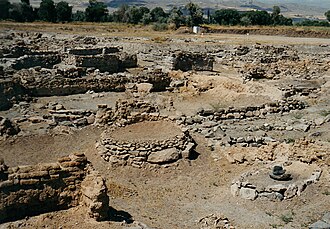
Key Facts
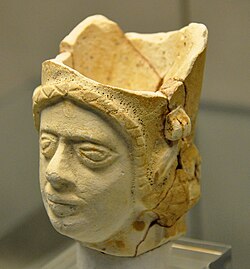
- Timeline: Approximately 2025 BC to 1364 BC.
- Economic Engine: A massive trade network exchanging Mesopotamian textiles and tin for Anatolian silver.
- Political Structure: A city-state governed by a representative (governor) and a city assembly (Ālum).
- Major Trading Hub: Kültepe (Kanesh) in central Anatolia served as a primary colony.
- Key Dynasties: The early dynasty of Puzur-Ashur I and the later, long-lived Adaside dynasty.
The Era of Trade and the Kültepe Colonies
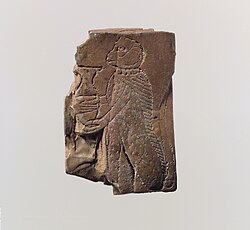
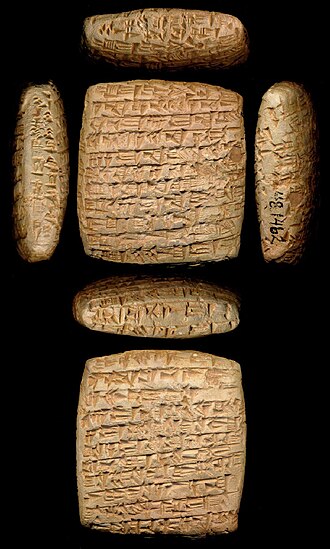
From the reign of Erishum I (c. 1974–1935 BC) through the 19th century BC, Assur became the center of a vast commercial web. The most significant evidence of this era comes not from Assur itself, but from Kültepe (ancient Kanesh) in modern-day Turkey. Here, the Assyrians established a karum—a specialized trading colony.
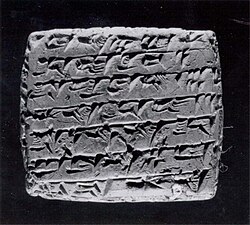
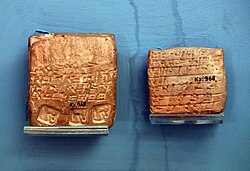
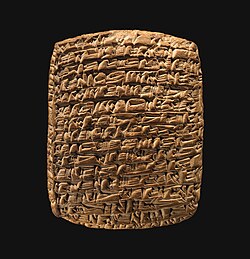
Archaeologists have uncovered approximately 22,000 cuneiform clay tablets at Kültepe, providing a detailed look at Bronze Age commerce. These records reveal a high-volume exchange: an estimated 25 tons of silver flowed from Anatolia to Assur, while 100 tons of tin and 100,000 textiles moved in the opposite direction. Traders traveled roughly 1,000 kilometers via donkey caravans, a journey taking about six weeks.
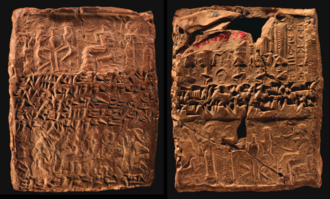
The profits were immense, as goods were often sold in Anatolia for double their Mesopotamian value. This economic success allowed Assur to maintain its status as a regional hub despite having a small population (estimated between 5,000 and 8,000 people) and limited military capabilities.
Political Turbulence and the Kingdom of Upper Mesopotamia
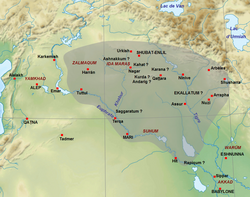
The stability of the first dynasty, founded by Puzur-Ashur I, ended around 1808 BC when the city was conquered by Shamshi-Adad I, an Amorite ruler. Shamshi-Adad established the Kingdom of Upper Mesopotamia, ruling from the city of Shubat-Enlil. This period marked a shift from a merchant-led city-state to a more traditional territorial kingdom.
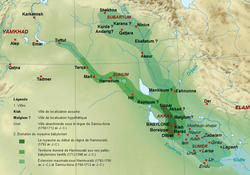
Following the death of Shamshi-Adad I in c. 1776 BC, the region entered a period of instability. Assur was contested by various powers, including the Old Babylonian Empire under Hammurabi, who briefly controlled the city around 1761 BC. Hammurabi is noted for respecting Assur's local institutions during his short tenure.
The Adaside Dynasty and the "Dark Age"
After a period of conflict and usurpers, the Adaside dynasty was founded by Bel-bani around 1700 BC. This dynasty would provide stability and rule Assyria for nearly a millennium. While the early Adaside period is less documented, the dynasty eventually oversaw a resurgence in political assertiveness.
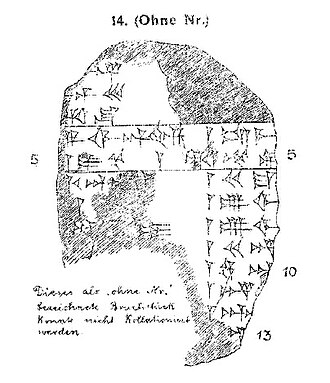
The Transition to a Territorial State
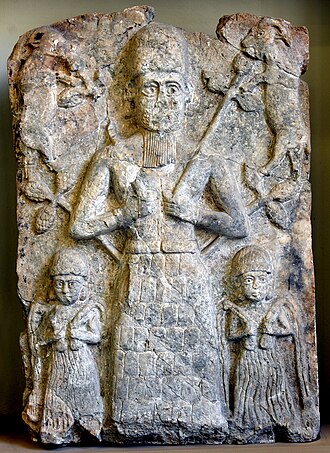
By the 15th century BC, under rulers like Puzur-Ashur III, Assur began to expand its influence beyond the city walls. This era saw the first diplomatic exchanges with Egyptian pharaohs and the beginning of border disputes with Babylonia. The city grew physically, with the construction of a "new city" (alu eššu) to accommodate a rising population.
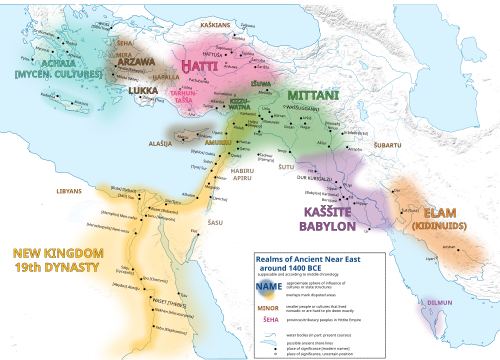
However, this growth was interrupted around 1430 BC when Assur became a vassal of the Mitanni kingdom. It remained subjugated until the early 14th century, when the decline of the Mitanni allowed Assur to break free and transition into a larger territorial state governed by warrior-kings.
Summary of the Old Assyrian Period
| Feature | Details |
|---|---|
| Primary Language | Akkadian, Sumerian, and Amorite |
| Government | Monarchy (Governor/Representative) and City Assembly (Ālum) |
| Key Exports | Tin, Textiles, Livestock, Reed products |
| Key Imports | Silver |
| Major Cities | Assur, Kültepe (Kanesh), Shubat-Enlil |
Frequently Asked Questions
![Cylinder seal impression, with three deities approaching a seated figure, probably a king: the storm god holding his lightning fork and standing on the back of a bull, the moon god holding a crescent standard and standing in a boat, and an interceding goddess. Old Assyrian period, ca 1920–1740 BC. British Museum ME 22963.[135]](/images/86/30/863044d724e804e4bed47a6ec38bc354f9696c3e77d1863ee5b1d591a13b86d4.jpg)
Why were the rulers of Assur called governors instead of kings?
The rulers styled themselves as Išši'ak Aššur because they believed the god Ashur was the true king of the city. They viewed themselves as earthly representatives or governors acting on the deity's behalf.
What was a karum?
A karum was an Assyrian trading colony established in foreign lands, such as the one at Kültepe. These served as hubs for long-distance trade and administrative centers for Assyrian merchants.
How did the Assyrians transport their goods?
Goods were transported via donkey caravans. A typical journey from Assur to Kültepe covered approximately 1,000 kilometers and took about six weeks.
Who was Shamshi-Adad I?
Shamshi-Adad I was an Amorite conqueror who deposed the original Assyrian dynasty in 1808 BC and established the short-lived Kingdom of Upper Mesopotamia.
What happened to Assur after the fall of the Mitanni?
After the Mitanni kingdom was weakened by the Hittites, Assur broke free from its vassal status in the early 14th century BC, paving the way for the Middle Assyrian Empire.