Babylonian Captivity: The Exile and Restoration of the Judean People
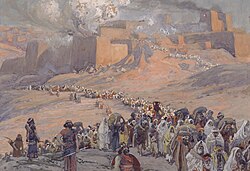
The Babylonian captivity, also known as the Babylonian exile, represents a pivotal era in Jewish history. During this period, a significant portion of the population from the ancient Kingdom of Judah was forcibly removed from their homeland and relocated to Babylonia by the Neo-Babylonian Empire. This displacement was not a single event but occurred in several waves of expulsion, fundamentally altering the trajectory of Jewish culture and the development of Judaism.
The exile was characterized by the loss of political independence and the destruction of the spiritual center of the Judean people: Solomon's Temple in Jerusalem. However, the period also became a crucible for literary production and religious evolution, eventually concluding with a Persian decree that allowed the exiles to return and rebuild.
Key Facts
- Primary Aggressor: The Neo-Babylonian Empire under King Nebuchadnezzar II.
- Major Events: The sieges of Jerusalem in 597 BCE and 587 BCE.
- Key Figures: Kings Jehoiakim, Jeconiah, and Zedekiah of Judah; Nebuchadnezzar II of Babylon; Cyrus the Great of Persia.
- The Turning Point: The fall of Babylon to the Achaemenid (Persian) Empire in 539 BCE.
- The Result: The establishment of the Persian province of Yehud Medinata and the construction of the Second Temple.
The Waves of Expulsion
The path to exile began following the Battle of Carchemish in 605 BCE, which established Babylonian dominance in the region. Initially, King Jehoiakim of Judah paid tribute to Nebuchadnezzar II to maintain a fragile peace. However, when Jehoiakim ceased these payments around 601 BCE, Babylon responded with military force.
The First Deportation (597 BCE)
In 598/597 BCE, Nebuchadnezzar II besieged Jerusalem for three months. Following the death of Jehoiakim, his eighteen-year-old son, Jeconiah (also known as Jehoiachin), ascended the throne. The city fell on March 16, 597 BCE. Nebuchadnezzar plundered the city and the Temple, exiling Jeconiah, his royal court, and approximately 7,000 prominent citizens—including the prophet Ezekiel—to Mesopotamia.
The Destruction of Jerusalem (587 BCE)
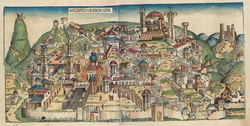
Nebuchadnezzar appointed Jehoiakim's uncle, Zedekiah, as the new king. Despite warnings from the prophet Jeremiah, Zedekiah revolted against Babylon and allied with Egypt. This led to a second, more devastating Babylonian campaign. In 587 BCE, Nebuchadnezzar destroyed the city walls, burned the houses of the elite, and demolished the First Temple. Zedekiah was captured, blinded, and taken to Babylon after witnessing the execution of his sons.
Life in Exile and Archaeological Evidence
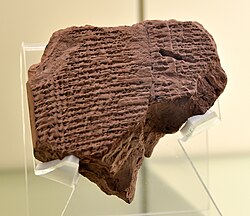
While the Hebrew Bible (Tanakh) provides the primary narrative, archaeological finds offer corroborating evidence. The Babylonian Chronicles confirm the 597 BCE siege, and excavations in Jerusalem show that the city was burnt to rubble in 587 BCE. Additionally, the Lachish letters—clay ostraca (pottery fragments used for writing)—describe the desperate final moments of the Judean defense as signal fires from neighboring towns disappeared.
Contrary to the idea of a total population removal, archaeological surveys suggest that while roughly 20,000 people (about 25% of the population) were deported, many remained in Judah. In Babylon, exiled Judeans maintained their identity. Cuneiform tablets discovered in Jerusalem detail the economic lives of these exiles, recording taxes, debts, and trade in fruits across four generations of families with Hebrew names.
![Waters of Babylon (1920) by Gebhard Fugel; Jews sit on the banks of the Tigris, which flows through Babylon, and remembering Jerusalem. Psalm 137 tells us about this event:[34] "By the rivers of Babylon, there we sat down, yea, we wept, when we remembered Zion.137:1 If I forget thee, O Jerusalem, let my right hand forget her cunning."137:5](/images/86/d8/86d8227a74ca796010dcb5d870d001fb54a666543d33ba06e6dc2721b2130a4e.jpg)
The Persian Restoration
The exile came to an end following the Battle of Opis in 539 BCE, when the Achaemenid Empire, led by Cyrus the Great, conquered the Neo-Babylonian Empire. Cyrus issued a decree permitting the exiled Judeans to return to their homeland.
Under the leadership of Zerubbabel the Prince and Joshua the Priest, the returnees began the reconstruction of the Second Temple around 537 BCE. The region was reorganized as the Persian province of Yehud Medinata (the province of Judah). Although the population was smaller—estimated at around 30,000 people—this period marked the rebirth of the Judean community in Jerusalem.

Impact on Literature and Culture
The Babylonian captivity was a period of intense intellectual and spiritual growth. The trauma of exile and the longing for Zion inspired a wealth of Hebrew literature, including the Book of Lamentations and various sections of the books of Jeremiah, Ezra, and 2 Kings. The stories of Daniel and the books of Tobit and Judith are also associated with this era.
Crucially, the final redaction of the Pentateuch (the first five books of the Bible) occurred during the Persian period. The Priestly source, a major component of these texts, emerged as the community transitioned from the independent Kingdom of Judah to the Persian province of Yehud.
Summary of the Babylonian Captivity
| Period/Date | Key Event | Outcome |
|---|---|---|
| 605 BCE | Battle of Carchemish | Babylonian dominance established; Judah pays tribute. |
| 597 BCE | First Fall of Jerusalem | King Jeconiah and 7,000 elites exiled to Babylon. |
| 587 BCE | Destruction of Jerusalem | First Temple destroyed; King Zedekiah exiled; Judah becomes a province. |
| 539 BCE | Fall of Babylon | Cyrus the Great (Persia) conquers Babylon. |
| 538–516 BCE | Return and Restoration | Judeans return to Jerusalem; Second Temple constructed. |
Frequently Asked Questions
Why were the Judeans exiled to Babylon?
The exiles were a result of political revolts by the Kings of Judah (Jehoiakim and Zedekiah) who refused to pay tribute to the Neo-Babylonian Empire and attempted to ally with Egypt.
Was the entire population of Judah deported?
No. Archaeological evidence suggests that while the nobility and prominent citizens were deported (roughly 25% of the population), a significant number of people remained in the rural settlements of Judah.
What is the significance of the Second Temple?
The Second Temple, built after the return from exile under the Persians, served as the new spiritual and communal center for the Jewish people, replacing the First Temple destroyed by Nebuchadnezzar II.
How do we know about the exile outside of the Bible?
Evidence includes the Babylonian Chronicles, cuneiform tablets detailing the lives of exiled families, and archaeological layers of destruction found in Jerusalem and other Judean towns.
Who was Cyrus the Great in this context?
Cyrus the Great was the founder of the Achaemenid (Persian) Empire who conquered Babylon in 539 BCE and permitted the exiled Judeans to return to Jerusalem to rebuild their temple.