Understanding Official Languages: Definitions, History, and Global Trends
What defines a language as "official"? According to the Cambridge English Dictionary, an official language is one that is accepted by a country's government, taught in schools, and used in courts of law. While the designation is often established through formal government decrees, it can also arise from long-standing historic usage.
The establishment of an official language can have significant legal implications. Depending on the specific laws of a nation, designating an official language may place restrictions on the use of other languages in government, educational, or judicial capacities. Conversely, many nations use official language status to empower indigenous groups, ensuring they have access to government services in their native tongues.

Key Facts
- Global Recognition: 178 countries recognize an official language, with 101 of those recognizing more than one.
- Most Common: English is the most frequent official or co-official language, recognized in 52 countries.
- Multilingual Leaders: Bolivia holds the record for the most official languages, recognizing 37.
- De Facto vs. De Jure: Some countries have a de jure (by law) official language, while others rely on a de facto (in practice) national language that evolves naturally.
The History of Language Standardization
The drive toward linguistic standardization has deep historical roots. One of the most significant milestones occurred in 221 BC, when Qin Shi Huang, the first emperor of China, standardized the written Chinese language following the unification of the country. This version, known as Literary Chinese, remained the standard written form for the next 2,000 years.
While the written word was standardized early, spoken language followed a different path. Mandarin developed on an ad hoc basis from various imperial capital dialects and was not officially standardized until the early twentieth century.

Global Language Statistics
The distribution of official languages varies significantly across the globe. While English leads in terms of the number of countries and dependencies, other languages like Arabic, French, and Spanish maintain widespread official or co-official status across multiple nations.
| Language | UN States | Dependencies/Other |
|---|---|---|
| English | 58 | 31 dependencies |
| French | 26 | 10 dependencies |
| Arabic | 23 | Palestine, 2 non-UN states, 1 dependency |
| Spanish | 20 | 1 dependency |
| Portuguese | 9 | 1 dependency |
| German | 6 | — |
| Russian | 5 | 3 unrecognized states |
| Standard Chinese (Mandarin) | 2 | Taiwan |
Regional Case Studies in Language Policy
The United States
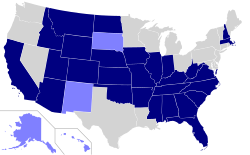
The United States presents a unique case. While English is the predominant language, the U.S. has no de jure official language at the national level. However, this status is shifting; Executive Order 14224 of 2025 declared English official. At the state level, 32 of the 50 states have passed legislation designating English as an official language. Public debate continues regarding the recognition of Spanish and the necessity of conducting all business in English.
New Zealand
New Zealand utilizes a tiered system of official languages. English serves as the de facto official language in most situations. However, the Māori language and New Zealand Sign Language hold de jure official status under the Māori Language Act 2016 and the New Zealand Sign Language Act 2006, respectively.
Israel
In 2018, the Knesset passed a basic law defining Hebrew as "the State's language" and granting Arabic "a special status." This law nominally changed the status of both languages while aiming to preserve the existing status quo established during the British Mandate period.
Bangladesh
Following its independence in 1971, Bangladesh adopted a "one state, one language" policy. Bengali is the sole official language, a status reinforced by the Bengali Language Implementation Act of 1987, which mandates its use in all government affairs.
United Kingdom and Wales
In the United Kingdom, English is the de facto official language. However, in Wales, the Welsh language holds de jure official status alongside English. In Scotland, as of November 30, 2025, Gaelic and Scots have become official languages alongside English.
Zimbabwe and Multilingual Nations
Some nations embrace extreme multilingualism. Zimbabwe recognizes 16 official languages, including Shona, Ndebele, English, and various others such as Chewa and Tonga. This follows a global trend where countries like South Africa (12 languages) and India (22 languages) use official designations to manage diverse linguistic landscapes.
Frequently Asked Questions
What is the difference between de jure and de facto official languages?
A de jure official language is one that is formally recognized by law or a constitution. A de facto official language is one that is used in practice and accepted by the government and population, even if no formal law has been passed to designate it as such.
Which country has the most official languages?
Bolivia recognizes the highest number of official languages in the world, with a total of 37.
Does the United States have an official language?
At the national level, the United States has no de jure official language, though Executive Order 14224 of 2025 declared English official. Many individual states, however, have passed their own laws to designate English as an official language.
Why do countries designate official languages?
Countries may designate official languages to standardize government administration, education, and legal proceedings. Some nations also use this designation to empower indigenous groups by ensuring their native languages are recognized in official capacities.
Is English the most widely used official language?
Yes, English is the most common official or co-official language in the world, holding recognized status in 52 different countries.