Oceanic Climates: Characteristics, Varieties, and Global Distribution
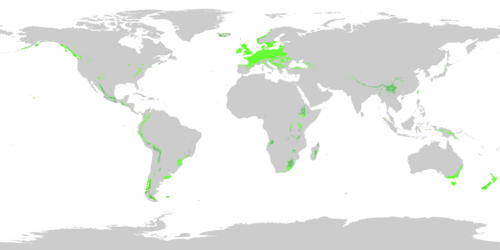
An oceanic climate, frequently referred to as a marine or maritime climate, is a temperate climate type characterized by moderate temperatures and consistent moisture. Under the widely used Köppen climate classification system, these regions are identified as Cfb. They are most commonly found along the western coasts of continents in the higher middle latitudes, offering a distinct alternative to the extreme temperature swings seen in continental interiors.
These climates are defined by their relatively narrow annual temperature range. While they feature warm summers and cool to mild winters, they generally lack the intense heat of the tropics or the deep freezes of the polar regions. This stability makes them unique ecological zones across the globe.
Key Facts
- Classification: Identified as Cfb (or Cwb/Cfc) in the Köppen system and Do in the Trewartha system.
- Temperature: Features mild winters and warm, but not hot, summers.
- Precipitation: Characterized by frequent cloud cover, storms, and a lack of a distinct dry season.
- Location: Typically found between 40 and 60 degrees latitude, often on western continental coasts.
- Varieties: Includes marine west coast, subtropical highland, and subpolar oceanic climates.
Climate Varieties and Classifications
Because oceanic climates can occur at various latitudes and elevations, they are divided into several distinct sub-types based on temperature and seasonal patterns.
Marine West Coast (Cfb)
The most classic version of the oceanic climate is the marine west coast type. These areas experience moderate temperatures year-round and lack a significant dry season. In these regions, the warmest month typically averages below 22 °C (72 °F), and at least four months maintain an average temperature above 10 °C (50 °F). Precipitation is often distributed throughout the year, sometimes exceeding 150 rainy days annually due to frequent frontal cyclones.
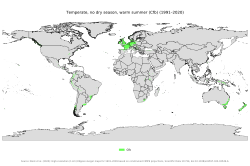
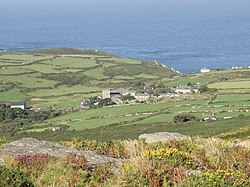
Examples of this climate can be seen in the lush landscapes of the United Kingdom, such as Zennor, or in the coastal regions of North America and Europe.
Subtropical Highland (Cfb, Cwb)
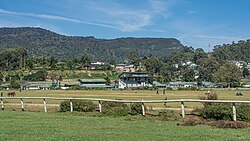
When oceanic conditions occur in mountainous regions of the subtropics or tropics, they are classified as subtropical highland climates. These areas benefit from elevation, which keeps temperatures cooler than the surrounding lowlands. Without this altitude, these regions would likely transition into humid subtropical or tropical climates. These zones often experience monsoon influences.
Subpolar Oceanic and Cold Subtropical Highland (Cfc, Cwc)
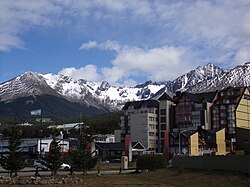
As one moves closer to polar regions, the climate shifts into the subpolar oceanic variety. These areas feature long, relatively mild winters and short, cool summers. In these zones, only one to three months average above 10 °C (50 °F). Snowfall is much more frequent and commonplace here than in temperate oceanic zones. This variety is found in places like coastal Iceland, the Faroe Islands, and parts of southern Argentina and Chile.
Precipitation and Temperature Patterns
Weather and Moisture
Locations with oceanic climates are known for frequent cloudy conditions, low-hanging clouds, and regular storms. While thunderstorms are rare in standard oceanic climates due to the infrequent meeting of extreme air masses, they are more common in subtropical highland areas where warmer tropical air interacts with cooler highland air. Most of these regions receive precipitation in the form of rain, though snowfall is a regular occurrence in most zones, particularly the subpolar variants.
Temperature Thresholds
The distinction between oceanic and continental climates often rests on the temperature of the coldest month. Under the Köppen system, an oceanic climate must have a mean temperature of 0 °C (32 °F) or higher (or −3 °C / 27 °F depending on the specific threshold used) in its coldest month. This prevents the extreme winter lows characteristic of continental climates.
| Feature | Marine West Coast (Cfb) | Subtropical Highland (Cwb) | Subpolar Oceanic (Cfc) |
|---|---|---|---|
| Primary Location | Mid-latitude west coasts | Mountainous subtropics | Near polar/coastal high latitudes |
| Summer Heat | Warm (below 22 °C) | Mild to warm | Cool (short summers) |
| Winter Severity | Mild | Mild | Relatively mild for latitude |
| Snowfall Frequency | Occasional | Variable | Frequent |
Global Distribution
Oceanic climates are spread across both hemispheres. In Europe, much of France, Belgium, the Netherlands, and western Germany fall into this category. In the Americas, the Pacific Northwest of North America and parts of southern Chile and Argentina exhibit these traits. In the Southern Hemisphere, regions like Christchurch, New Zealand, provide classic examples of maritime influence.
Frequently Asked Questions
What is the main difference between oceanic and continental climates?
The primary difference lies in temperature extremes. Oceanic climates have a much narrower annual temperature range with milder winters, whereas continental climates experience much colder winters and more significant temperature fluctuations.
Why are these climates often called "marine west coast" climates?
They are called marine west coast climates because they are most frequently found on the western edges of continents, where the influence of the ocean moderates the temperature of the landmass.
Do oceanic climates have a dry season?
Generally, no. One of the defining characteristics of the temperate oceanic climate is the absence of a distinct dry season, with precipitation occurring relatively consistently throughout the year.
Can an oceanic climate exist in the tropics?
Yes, but typically only in elevated mountainous areas. These are known as subtropical highland climates, where altitude compensates for the tropical latitude to create milder temperatures.
How does the Trewartha system differ from Köppen regarding these climates?
The Trewartha system uses different triggers, such as the number of months averaging at least 10 °C, which can lead to different classifications for certain cities (like New York City) compared to the Köppen system.