Novi Sad: The Cultural Heart of Vojvodina
Perched on the banks of the Danube River in the province of Vojvodina, Novi Sad is a city where history, art, and multiculturalism converge. Known as the "Serbian Athens," it serves as the second-largest city in Serbia and a vital center for education and the arts. From its massive fortifications to its vibrant urban center, Novi Sad blends the legacy of the Habsburg Monarchy with a forward-looking creative spirit.
The city's global profile has risen significantly in recent years, serving as the European Youth Capital in 2019, the European Capital of Culture in 2022, and becoming a UNESCO Creative City of Media Arts in 2023.
Key Facts
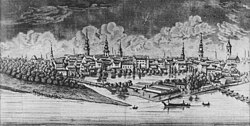
- Status: Second-largest city in Serbia, located in the South Bačka district.
- Nickname: Serbian Athens.
- Key Landmark: Petrovaradin Fortress, often called the "Gibraltar on the Danube."
- Official Languages: Serbian, Hungarian, Slovak, and Pannonian Rusyn.
- Population: 260,438 (City proper, 2022 census).
- Geography: Situated at an elevation of 80 meters along the Danube.
A Journey Through History
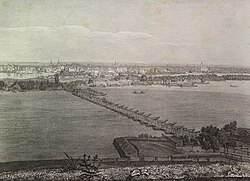
Ancient Roots and Founding
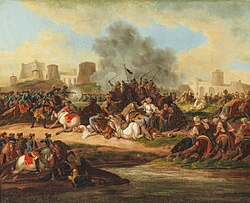
The region was settled in antiquity by the Scordisci. However, the modern city's trajectory was shaped by the conflict between the Habsburgs and the Ottoman Empire. A pivotal moment occurred in 1716 during the Battle of Petrovaradin, where Habsburg forces halted Ottoman expansion into Central Europe.
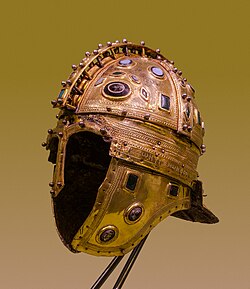
The Rise of a Free Royal City
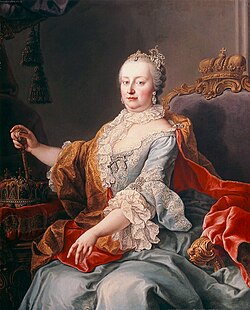
The development of Novi Sad was influenced by Habsburg policies. Because Orthodox Christians were prohibited from settling within the Petrovaradin fortress, Serbian settlers established their own community nearby. This settlement grew rapidly, and on February 1, 1748, it was officially proclaimed a free royal city by Maria Theresa.
Modern Era and Resilience
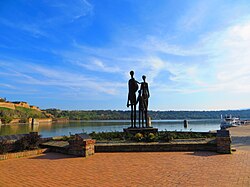
Throughout the 19th and 20th centuries, Novi Sad evolved into a hub of Serbian culture and commerce. The city faced significant hardships during World War II, including the Novi Sad raid during the Hungarian occupation. Today, monuments like "The Family" by Jovan Soldatović stand as reminders of these tragic events.
Geography and Urban Landscape
The Gibraltar on the Danube
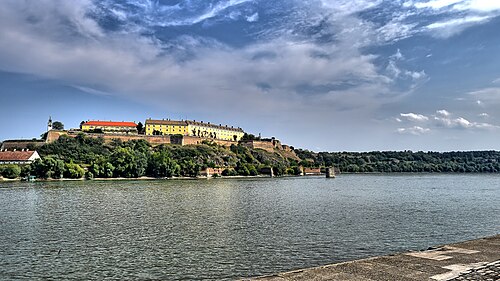
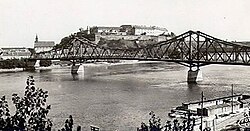
The Petrovaradin Fortress is one of Europe's most significant fortifications. Spanning 112 hectares, this 18th-century stronghold was crucial for the defense of the region and remains one of the best-preserved fortresses on the continent.
City Layout and Architecture
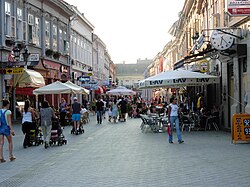
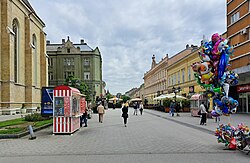
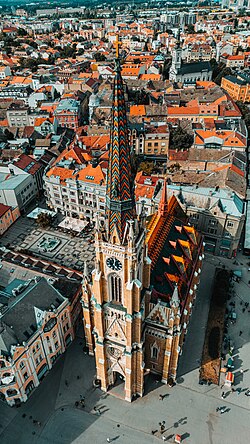
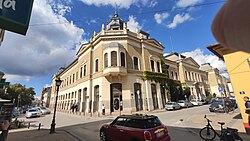
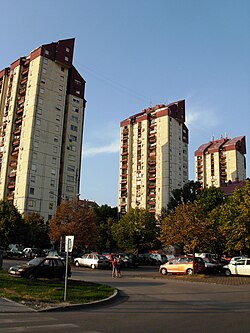
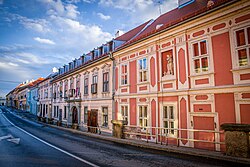
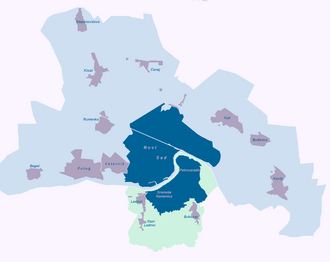
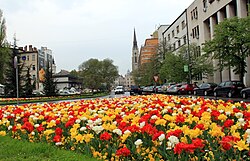
The city is characterized by a mix of historical and modern architecture. The Stari Grad (Old Town) features pedestrian-friendly streets such as Zmajeva and Dunavska, while the Liman district is known for its residential towers. The city's skyline is marked by the coexistence of the Name of Mary Catholic Church and the Saint George Orthodox Cathedral.
Transportation and Infrastructure
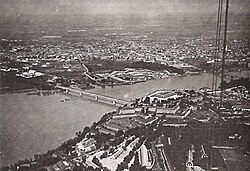
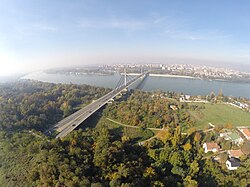
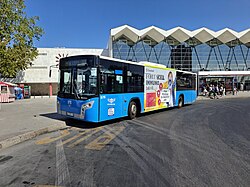
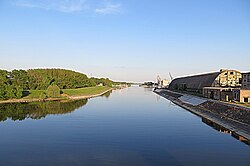
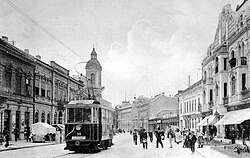
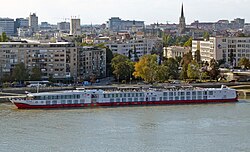
Novi Sad is well-connected by road, rail, and water. The Liberty Bridge is a primary landmark crossing the Danube, while the Danube–Tisa–Danube Canal facilitates regional transport. Historically, the city utilized trams from 1911 until 1958.
Culture, Society, and Recreation
Intellectual and Artistic Hubs
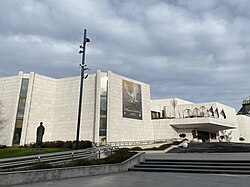
As a center of learning, the city is home to the Matica Srpska, a premier cultural-scientific institution, and the Serbian National Theatre. These institutions have cemented the city's reputation as a beacon of Serbian literacy and performing arts.
Nature and Leisure
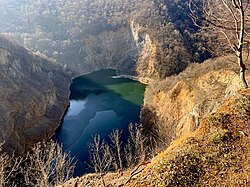
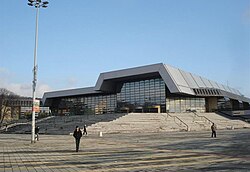
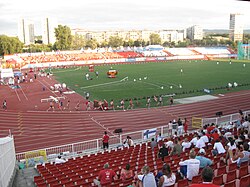
For outdoor enthusiasts, the Fruška Gora National Park—the oldest national park in Serbia—offers extensive recreational opportunities, including the scenic Lake Ledinci area. Within the city, the SPENS Sports Center and Karađorđe Stadium serve as hubs for athletic activity.
Modern Vibrancy
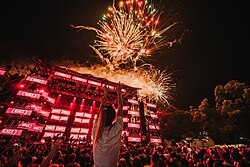
Novi Sad is not only a city of history but also of modern celebration. It is world-renowned for the Exit Festival, which draws visitors from across the globe to the fortress grounds.
City Overview and Demographics
| Category | Detail |
|---|---|
| Population (2022) | 260,438 (City proper) / 372,136 (Metro) |
| Official Languages | Serbian, Hungarian, Slovak, Pannonian Rusyn |
| Primary Ethnicity | Serbs (78.3%) |
| Primary Religion | Orthodox (76.6%) |
| Area (Urban) | 222.66 km² |
| Elevation | 80 m |
Frequently Asked Questions
Why is Novi Sad called the "Serbian Athens"?
The city earned this nickname due to its significant role as a center for Serbian culture, education, and the arts, particularly through institutions like Matica Srpska.
What is the significance of the Petrovaradin Fortress?
Known as the "Gibraltar on the Danube," it is one of Europe's largest and best-preserved fortifications, famous for halting Ottoman expansion into Central Europe in 1716.
Which languages are officially used in Novi Sad?
In addition to Serbian, the city officially recognizes Hungarian, Slovak, and Pannonian Rusyn.
What is the Exit Festival?
The Exit Festival is a world-famous music event held annually in the Petrovaradin Fortress, contributing to the city's status as a modern cultural hub.
When did Novi Sad become a free royal city?
Novi Sad was proclaimed a free royal city by Maria Theresa on February 1, 1748.