Nocturnality: How Animals Adapt to Life in the Dark
In the natural world, the cycle of day and night dictates the rhythm of life. While humans are primarily active during the day, many species have evolved to thrive in the shadows. Nocturnality is a behavioral adaptation where non-human animals are active during the night and sleep during the day. This lifestyle is not merely a preference but a complex evolutionary strategy involving specialized biology and sensory enhancements.
To understand nocturnality, it is helpful to distinguish it from other activity patterns. Diurnal animals, such as squirrels and songbirds, are active during the day. Crepuscular species, including rabbits, skunks, and tigers, are active primarily during dawn and dusk. Finally, cathemeral species, such as lions and fossas, distribute their activity across both day and night.
Key Facts
- Nocturnal animals often possess larger corneas relative to eye size to increase visual sensitivity in low light.
- The nocturnal bottleneck theory suggests early mammals became nocturnal to avoid diurnal predators during the Mesozoic era.
- Nocturnality reduces resource competition through temporal niche differentiation.
- Light pollution disrupts critical behaviors, including migration, reproduction, and predator-prey dynamics.
- Some animals, like ferrets, are metaturnal, meaning their eyes can adapt to both bright and low light levels.
Biological Adaptations for the Night
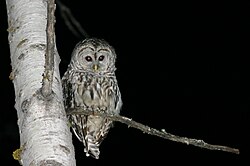
Surviving in darkness requires more than just a change in schedule; it requires specialized hardware. Nocturnal creatures typically possess highly developed senses of hearing and smell to compensate for limited visibility. Visual adaptations vary by species: some, like bushbabies and certain bats, can only function at night, while others have evolved massive eyes relative to their body size, such as tarsiers and some owls.
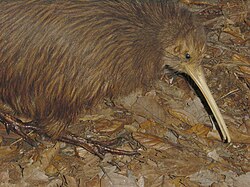
These large eyes often feature a larger cornea, which allows more light to enter the eye, increasing sensitivity. In contrast, some species have traded sight for other senses. Research into the skulls of the extinct elephant bird and the modern kiwi shows that their olfactory bulbs (responsible for smell) are much larger than their optic lobes, suggesting a common ancestor that prioritized smell over sight.
Specialized Hunting Tools
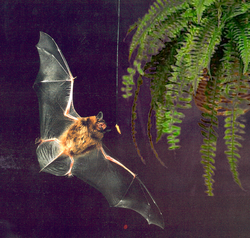
Beyond sight, some animals use advanced technology of their own. Bats are the most famous example, utilizing echolocation—a biological sonar system—to navigate and hunt insects in total darkness.
The Evolutionary Advantages of Nocturnality
Resource Competition and Niche Differentiation
Nocturnality is a form of niche differentiation, where species divide resources by time rather than space. For example, hawks (diurnal) and owls (nocturnal) can hunt the same rodents in the same meadow without competing directly. This temporal division also applies to pollination; nocturnal pollinators like moths and bats visit plants that have evolved to produce scents and heat specifically at night.
Predation and Crypsis
Being active at night serves as a form of crypsis, or camouflage, helping animals avoid or enhance predation. Lions often prefer hunting at night because their prey, such as zebras and wildebeests, have poor night vision. Conversely, small rodents may be nocturnal to avoid diurnal birds of prey. Some fish even use moonlight to hunt zooplankton that rise to the surface after dark.
Water Conservation and Osmoregulation
In arid environments, nocturnality is critical for osmoregulation (the maintenance of salt and water balance). By avoiding the intense heat of the day, desert animals prevent precious water loss. Hamilton's frog, for instance, remains hidden during the day, emerging only at night or during cool, humid conditions. Similarly, many desert plants only open their blossoms at night to prevent the sun from withering them.
The Impact of Human Disturbance
Human expansion has introduced two primary threats to nocturnal species: spatial disturbance and light pollution.
The Danger of Light Pollution
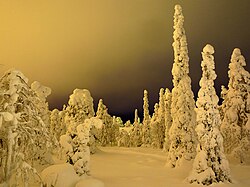
Artificial lighting disrupts the natural triggers that nocturnal animals rely on. This is particularly damaging to orientation; insects are often drawn to lights and killed, while migratory birds can become disoriented. Sea turtles are severely affected, as hatchlings may crawl toward artificial lights on beaches instead of toward the ocean.
Disruption of Rhythms and Reproduction
Light pollution alters daily and seasonal rhythmic behaviors, affecting body mass, feeding, and internal temperatures. It also interferes with reproduction. In male green frogs, artificial light has been shown to decrease mate calls, reducing the overall fitness of the population.
Spatial Imbalance
As humans occupy more land, many species shift toward nocturnal behavior to avoid people. However, this creates an imbalance: carnivorous predators are often less timid and may feed on human waste, while herbivorous prey are pushed into smaller, safer areas with fewer resources, leaving them more vulnerable to predators.
Summary of Activity Patterns
| Pattern | Active Period | Examples |
|---|---|---|
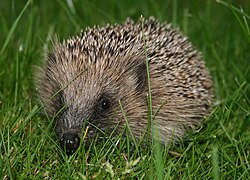
| Nocturnal | Night | Owls, Bats, Hedgehogs |
| Diurnal | Day | Humans, Squirrels, Songbirds |
| Crepuscular | Dawn and Dusk | Rabbits, Tigers, Domestic Cats |
| Cathemeral | Day and Night | Lions, Fossas |
Frequently Asked Questions
What is the nocturnal bottleneck theory?
This evolutionary hypothesis suggests that during the Mesozoic era, the ancestors of modern mammals evolved nocturnal traits to avoid being hunted by the dominant diurnal predators of that time.
How do nocturnal animals see better in the dark?
Many nocturnal animals have evolved larger eyes and larger corneas relative to their overall eye size, which increases their visual sensitivity by allowing more light to enter the eye.
How does light pollution affect sea turtles?
Artificial lights can deter adults from nesting on preferred beaches and disorient hatchlings, causing them to move toward land-based light sources rather than the ocean.
Why do some animals shift from diurnal to nocturnal behavior?
Species may shift their activity patterns to avoid extreme heat caused by climate change or to avoid human disturbance in their natural habitats.
How are nocturnal animals managed in zoos?
Zoos often use special night-illumination enclosures that invert the animals' normal sleep-wake cycles, allowing visitors to see them active during the day.