Nidifugous and Nidicolous Organisms: Developmental Differences in Nature
In the study of biology, the way an animal begins its life—specifically whether it stays in the nest or departs immediately—provides critical insight into its survival strategy. Scientists use two primary terms to describe these behaviors: nidifugous and nidicolous. These terms, first introduced by Lorenz Oken in 1816, describe the relationship between a newborn organism and its birthplace.
Defining Nidifugous and Nidicolous
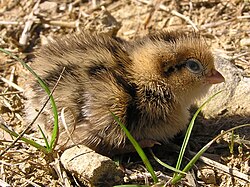
The term nidifugous is derived from the Latin words nidus (nest) and fugere (to flee). Nidifugous organisms are those that leave the nest shortly after hatching or birth. This trait is most commonly observed in birds, particularly within families such as gamebirds, waterfowl, and waders.
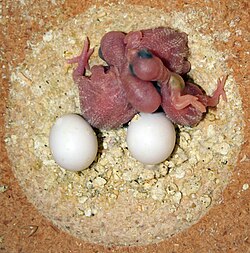
Conversely, nidicolous organisms (from the Latin nidus and colus, meaning inhabiting) are those that remain at their birthplace for an extended period. These animals are dependent on their parents for essential needs, including food, protection, and the acquisition of vital survival skills. This developmental path is common among mammals and various bird species.
The Biological Impact on Brain Development
The difference between these two strategies extends beyond behavior and into physical anatomy, specifically regarding brain growth. Research indicates a significant disparity in how the brain expands during the early stages of life:
- Nidicolous animals: The brain typically expands 8 to 10 times its initial size.
- Nidifugous animals: The brain expands by a smaller margin, typically between 1.5 and 2.5 times its initial size.
Relation to Precociality and Altriciality
To further refine these descriptions, biologists use the terms precocial and altricial to describe the physical state of the offspring at birth or hatching.
Precocial and Altricial Definitions
- Precocial: Organisms that are relatively developed at birth or hatching. They are generally able to fend for themselves almost immediately.
- Altricial: Organisms that are relatively undeveloped, often born blind, without feathers or hair, and entirely helpless.
The Overlap of Terms
While these terms are related, they are not always identical. All nidifugous species are precocial, and all altricial animals are nidicolous by necessity. However, the reverse is not always true. Some birds are precocial (physically capable of independence) but remain in the nest, making them nidicolous. Examples of such species include many terns and gulls.
Summary of Developmental Strategies
| Feature | Nidifugous | Nidicolous |
|---|---|---|
| Latin Meaning | "Flee the nest" | "Inhabiting the nest" |
| Nest Behavior | Leaves shortly after birth/hatching | Stays for a long period |
| Dependency | Low (Precocial) | High (Altricial) |
| Brain Expansion | 1.5x to 2.5x | 8x to 10x |
| Examples | Waterfowl, Gamebirds | Mammals, Budgerigars |
Key Facts
- Nidifugous animals leave the nest quickly; nidicolous animals stay.
- Nidicolous brains grow significantly more (up to 10x) than nidifugous brains (up to 2.5x).
- All nidifugous animals are precocial, but not all precocial animals are nidifugous.
- Altricial animals are always nidicolous because they are born helpless.
- The terminology was introduced by Lorenz Oken in 1816.
Frequently Asked Questions
What is the difference between nidifugous and precocial?
Nidifugous refers specifically to the act of leaving the nest, while precocial refers to the physical state of being developed and independent at birth. While all nidifugous animals are precocial, some precocial animals (like certain gulls) stay in the nest and are therefore nidicolous.
Why do nidicolous animals have more brain growth?
Nidicolous animals remain dependent on their parents for a longer period, which correlates with a brain that expands 8 to 10 times its initial size, compared to the 1.5 to 2.5 times expansion seen in nidifugous animals.
Which bird families are typically nidifugous?
Birds in the wader, waterfowl, and gamebird families are usually nidifugous.
Are all mammals nidicolous?
The source lists mammals as an example of nidicolous organisms, as they generally stay at their birthplace for a time and depend on parents for food and protection.
What does altricial mean in biology?
Altricial describes organisms that are born or hatched in an undeveloped state—typically blind, hairless or featherless, and unable to fend for themselves.