New Zealand Sanctuary Areas: Preserving Rare Forest Ecosystems
In the diverse landscape of Aotearoa New Zealand, sanctuary areas serve as critical bastions of biodiversity. These specialized protected areas are designed to preserve populations of vital forest types, ensuring that rare and ancient botanical treasures are shielded from degradation. From the towering kauri of the north to the dense podocarps of the interior, these zones protect the remnants of ecosystems that define the nation's natural heritage.
The History and Evolution of Sanctuary Areas
Sanctuary areas are relatively rare within the New Zealand conservation framework. The majority of these sites were established during the 1970s by the now-defunct New Zealand Forest Service. This surge in protection was largely a response to growing pressure and activism from the conservationist movement, which sought to prioritize ecological integrity over industrial forestry.
The first of these designated zones was the Waipoua Forest Sanctuary, established in 1952. Spanning 9,105 hectares, it is most famous for protecting giant kauri trees, including the legendary Tāne Mahuta.
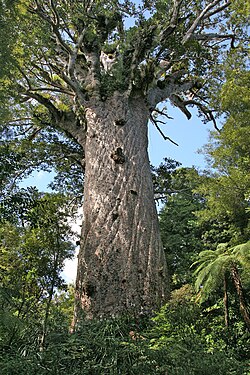
As the movement grew, more areas were added. One of the final sanctuary areas to be established was the Whirinaki Sanctuary in the 1980s, created specifically to safeguard the podocarp forests—a group of ancient, coniferous trees—within the Whirinaki Forest Park.
Key Facts
- Purpose: To preserve important forest types and rare plant populations.
- Origins: Most were created in the 1970s by the New Zealand Forest Service.
- First Sanctuary: Waipoua Forest Sanctuary (est. 1952).
- Governance: 10 sanctuary areas are currently recognized by the New Zealand Geographic Board.
- Key Species: Giant kauri and podocarp forests.
Recognized Sanctuary Areas in New Zealand
According to Land Information New Zealand, there are 10 recognized sanctuary areas distributed across various regions. These sites range from coastal islands to deep forest interiors.
| Sanctuary Area | Region |
|---|---|
| Te Arai Sanctuary | Northland |
| Wairaki Forest Sanctuary | Auckland |
| Otawa Sanctuary Area | Bay of Plenty |
| Sugar Loaf Islands Sanctuary | Taranaki |
| Ngā Motu / Sugar Loaf Islands Sanctuary | Taranaki |
| Oapui Sanctuary | Taranaki |
| Erua Forest Sanctuary | Manawatū-Whanganui |
| Esk Kiwi Sanctuary | Hawke's Bay |
| Hihitahi Forest Sanctuary | Manawatū-Whanganui |
| Rocky Hills Sanctuary Area | Wellington |
Frequently Asked Questions
What is a sanctuary area in New Zealand?
A sanctuary area is a specific type of protected area intended to preserve populations of important forest types, such as the kauri forests found in Northland.
When were most sanctuary areas established?
Most were set aside during the 1970s by the New Zealand Forest Service in response to conservationist activism.
Which was the first sanctuary area created?
The Waipoua Forest Sanctuary was the first, established in 1952.
What is the significance of the Whirinaki Sanctuary?
Established in the 1980s, the Whirinaki Sanctuary was one of the last to be created and focuses on protecting podocarp forests.
How many sanctuary areas are recognized by the New Zealand Geographic Board?
There are 10 recognized sanctuary areas listed by Land Information New Zealand.