IUCN: Leading Global Efforts in Nature Conservation and Biodiversity
The International Union for Conservation of Nature (IUCN) is a premier global authority on the status of the natural world and the measures needed to safeguard it. Founded over 75 years ago, it serves as a unique bridge between governments, non-governmental organizations (NGOs), and the scientific community to protect biodiversity and promote sustainable development.
Headquartered in Gland, Switzerland, the IUCN operates on a worldwide scale, coordinating the efforts of over 1,400 members across 170 countries. Its work is underpinned by a massive network of approximately 16,000 volunteer scientists and experts who provide the factual basis for global conservation policies.
Key Facts
- Founded: 5 October 1948 in Fontainebleau, France.
- Membership: Over 1,400 governmental and non-governmental organizations.
- Global Reach: Staff in more than 50 countries and members in over 170 countries.
- Governance: Led by a President (currently Razan Al Mubarak) and a Director General (currently Grethel Aguilar).
- Financials: Reported revenue of CHF 140.7 million (US$148 million) in 2019.
- Core Mechanism: The IUCN World Conservation Congress, held every four years, to set the global conservation agenda.
The Evolution of Global Conservation
Establishment and Early Years (1948–1965)
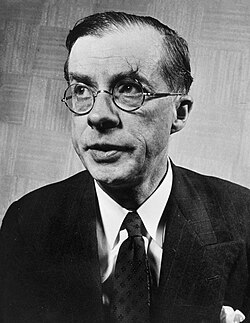
The IUCN was established through an initiative by UNESCO, specifically driven by its first Director General, British biologist Julian Huxley. Originally named the International Union for the Protection of Nature (IUPN), the organization began with 65 members. In its early years, it focused on identifying gravely endangered species and highlighting the dangers of pesticides on wildlife.
Financial instability characterized the early period, leading to the 1961 co-founding of the World Wildlife Fund (WWF) to provide a stable fundraising arm for IUCN's operational costs. By 1956, the organization adopted its current name, the International Union for Conservation of Nature and Natural Resources.
International Influence and Strategy (1966–1985)
During the late 1960s, the IUCN played a pivotal role in granting NGOs "consultative" status within the UN General Assembly. This increased influence culminated in the 1972 United Nations Conference on the Human Environment in Stockholm, where the IUCN helped draft three major international conventions.
A landmark shift occurred with the 1980 World Conservation Strategy. This document marked a transition in thinking, acknowledging that banning human presence from nature was no longer effective. This evolved into the 1982 World Charter for Nature, adopted by the UN General Assembly.
Modern Era: Sustainable Development and Business (1985–Present)
From 1982 onward, the IUCN integrated conservation into economic policies through its Conservation for Development Centre, supporting national strategies in 30 countries. The organization also shifted its internal power dynamic, moving from a volunteer-led commission model to a more dominant role for its professional secretariat.
In the 21st century, the IUCN expanded its reach into the private sector. The 2003 establishment of the Global Business and Biodiversity Program (BBP) allowed the organization to influence corporate policies, including a notable five-year collaboration with Shell International starting in 2007.
Current Operations and Impact
The IUCN Programme
The organization operates on four-year cycles. The 2017–2020 programme focused on linking biodiversity conservation with poverty reduction and sustainable development, prioritizing three key areas:
- Habitats and species protection.
- Strategic business partnerships.
- National and international policy development.
Scientific Contributions and Publications
The IUCN is a prolific producer of scientific data, publishing over 100 books and major assessments annually. It maintains critical resources such as the Global Invasive Species Database. A 2014 report highlighted that conservation reserves cover 15.4% of total land area, moving toward the global goal of protecting 17% of land and 10% of oceans by 2020.
Controversies and Challenges
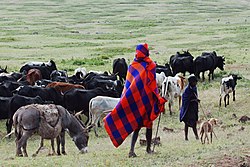
The organization's work has not been without friction. Relationships with local land users, such as the Maasai, have caused controversy. More recently, the 2025 World Conservation Congress in Abu Dhabi saw a deep divide over synthetic biology (the redesign of organisms for useful purposes). While some called for a pause on genetic engineering of wild species (Motion 133), the assembly ultimately adopted a policy (Motion 087) allowing for the case-by-case use of genetic technologies in conservation.
IUCN Summary Profile
| Category | Details |
|---|---|
| Headquarters | Gland, Switzerland |
| Membership Base | 1,400+ organizations (Gov and NGO) |
| Expert Network | ~16,000 volunteer scientists |
| Primary Funding | Official Development Assistance (61% in 2012) |
| Key Publications | Red Lists, World Conservation Strategy |
Frequently Asked Questions
What is the main purpose of the IUCN?
The IUCN focuses on nature conservation and the protection of biodiversity worldwide, acting as a forum for governments and experts to set global conservation agendas and policies.
How does the IUCN differ from the WWF?
While closely linked historically, the IUCN is a membership union of governments and NGOs that sets policy and scientific standards, whereas the WWF was originally established to help fund the operational costs of the IUCN's work.
What is the IUCN World Conservation Congress?
It is a gathering held every four years where members vote on recommendations and pass resolutions to guide the organization's global conservation programme.
What is the IUCN's stance on synthetic biology?
Following a controversial vote in 2025, the IUCN adopted a policy that allows for the case-by-case evaluation and potential use of genetic engineering technologies as tools for conservation.
Who can become a member of the IUCN?
Membership is open to states, government agencies, international and national NGOs, indigenous peoples' organizations (category added in 2016), and subnational governments (category added in 2021).