New Orleans Mint: A History of America's Oldest Extant Branch Mint
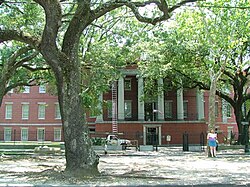
The New Orleans Mint (French: Monnaie de La Nouvelle-Orléans) stands as a testament to the economic and political turbulence of 19th-century America. Operating as a branch of the United States Mint from 1838 to 1861 and again from 1879 to 1909, this facility produced over 427 million gold and silver coins. Today, it is recognized as the oldest extant structure to have served as a U.S. Mint and is designated as a National Historic Landmark.
Located at a historic river corner of the French Quarter, the site once housed Fort San Carlos, a Spanish defensive fortification demolished in 1821. The current building was commissioned during a period of fiscal crisis in the 1830s, driven by a shortage of domestic coinage and the economic fallout of the Panic of 1837.
Key Facts
- Operational Periods: 1838–1861 and 1879–1909.
- Total Production: Over 427 million coins with a face value exceeding US$ 307 million.
- Architectural Style: Greek Revival, designed by William Strickland.
- Current Use: A branch of the Louisiana State Museum since 1981.
- Historic Status: Added to the National Register of Historic Places in 1973 and designated a National Historic Landmark in 1975.
Architectural Design and Structural Challenges
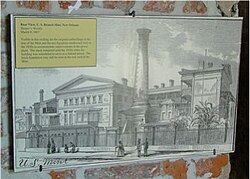
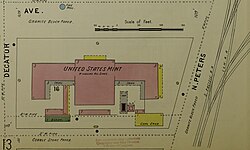
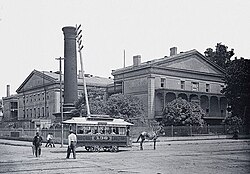
Designed by architect William Strickland, the building features a distinct W-shaped layout and a classic Greek Revival style. However, the construction did not account for the swampy lowland and high water table of New Orleans, leading to persistent structural instability due to shifting soil.
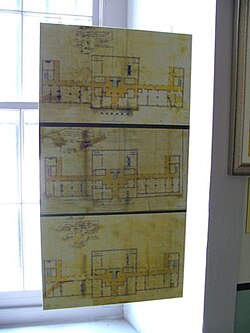
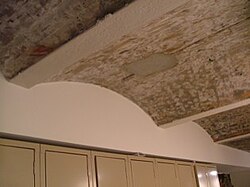
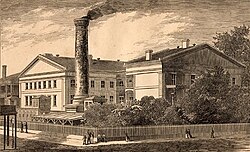
To combat these issues, the building underwent several reinforcements. In the 1840s, iron rods were inserted between floors. By 1854, the federal government employed Pierre Gustave Toutant Beauregard to fireproof the structure, rebuild the basement ceiling arches, and install masonry flooring. During this era, the mint transitioned to steam power, requiring the construction of a large smokestack at the rear of the building.
Early Coining Operations (1838–1861)
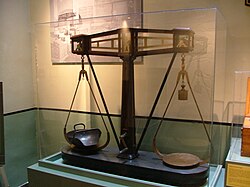
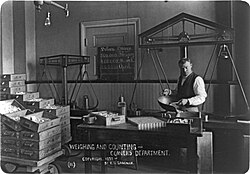
Operations officially began on March 8, 1838, with the arrival of Mexican gold bullion. The first coins struck were 30 silver dimes on May 7. For the next two decades, the facility produced a wide array of denominations, including silver three-cent pieces, half dimes, quarters, and gold double eagles.
The early years were marked by notable figures such as John Leonard Riddell, a melter and refiner who also invented the binocular microscope and published influential works on numismatics (the study or collection of currency).
The Civil War and Confederate Seizure
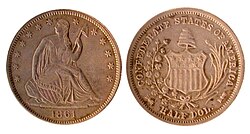
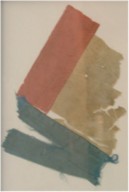
The mint's federal operations ceased on January 26, 1861, when Louisiana seceded from the Union. The Confederate government seized the facility and its vault, which contained approximately $483,983 in gold and silver coins. The Confederacy briefly used the mint to strike its own coinage, including a specific version of the 1861 half-dollar with an alternate reverse design.
Recommissioning and the Morgan Dollar Era
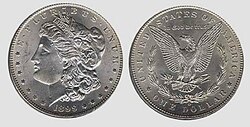
After the war, the facility served as an assay office (a place where metals are tested for purity) before being fully refurbished for minting in 1879. This second era of operation was dominated by the production of the famous Morgan silver dollar, which was struck in New Orleans from 1879 to 1904.
Under the leadership of Superintendent Gabriel Montegut, appointed in 1885, the mint continued to produce gold and silver coins. Interestingly, in 1907, the facility was used to coin over 5.5 million silver twenty-centavo pieces for the Mexican government.
Decommissioning and Modern Transformation
By the early 20th century, the U.S. Treasury had sufficient mints in Philadelphia, Denver, and San Francisco. With the end of silver dollar production in 1904, the New Orleans branch became redundant. It was formally decommissioned in 1911, and its machinery was moved to Philadelphia.
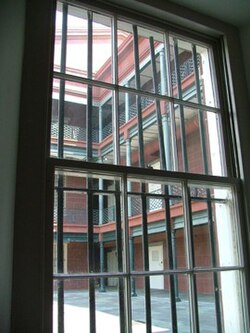
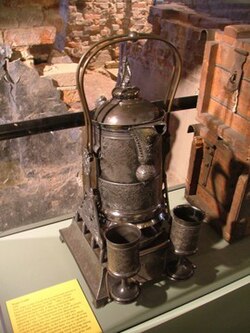
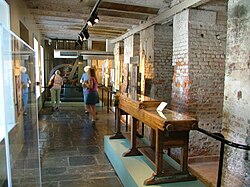
The building's subsequent history is eclectic. It served as a federal prison from 1932 to 1943, a Coast Guard storage facility, and was even considered the city's best fallout shelter during the Cold War. In 1981, it opened as a museum. Despite significant damage from Hurricane Katrina in 2005, the museum was renovated and reopened in October 2007.
Coinage Production Summary
| Metal | Key Denominations | Notable Series/Years | Key Notes |
|---|---|---|---|
| Silver | Dimes, Quarters, Half Dollars, Dollars | Morgan Dollar (1879–1904) | First U.S. mint marks on obverse (1838-39 Half Dollars) |
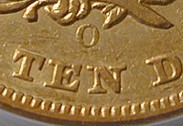
| Gold | $1, $2.50, $3, $5, $10, $20 | Liberty Head, Indian Head | High mintage of $10 Eagles in 1894 |
| Foreign | 20 Centavos (Mexico) | 1907 | Distinguished by a "curved" numeral 7 |
Frequently Asked Questions
Why was the New Orleans Mint established?
It was created to address a domestic coinage shortage and fiscal instability in the 1830s, exacerbated by President Andrew Jackson's veto of the Second Bank of the United States and the Specie Circular executive order.
What happened to the mint during the American Civil War?
The mint was seized by the Confederate government in 1861. It was used briefly to strike Confederate coinage, including rare half-dollars, before being reclaimed by Union forces.
What is the most famous coin produced at the New Orleans Mint?
The Morgan silver dollar is among the most famous and widely available coins produced at the facility, particularly those minted between 1879 and 1904.
What other purposes has the building served besides minting?
The building has functioned as an assay office, a federal prison, a Coast Guard storage facility, a Cold War fallout shelter, and currently, a branch of the Louisiana State Museum.
How did Hurricane Katrina affect the building?
The building suffered damage during the 2005 hurricane, leading to a closure for over two years of repairs and renovations before reopening in October 2007.