New Orleans Historic Cemeteries: The Cities of the Dead
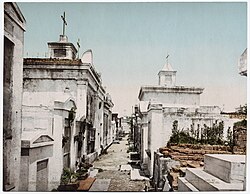
New Orleans is home to forty-two historically and culturally significant cemeteries that stand as a testament to the city's unique heritage. Often referred to colloquially as Cities of the Dead, these sites are far more than mere burial grounds; they are an amalgam of French, Spanish, and Caribbean influences. Unlike most American cemeteries, the landscape here is defined by towering monuments and street-like layouts that reflect the ethnic, religious, and socio-economic history of the region.
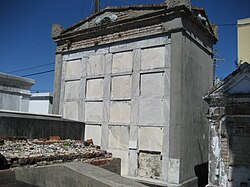
The most striking feature of these cemeteries is the prevalence of above-ground tombs. This architectural necessity stems from the city's geography; because New Orleans is at or below sea level, it possesses a high water table. In-ground burials risk becoming water-logged or being displaced from the earth, leading the community to develop a distinct style of funerary architecture that has become a global icon of the city.
Key Facts
- Total Sites: Approximately 42 cemeteries are recognized as historically significant.
- Primary Cause for Above-Ground Tombs: A high water table caused by the city's low elevation.
- Architectural Style: Predominantly neo-classical designs including family tombs, civic association tombs, and wall vaults.
- Cultural Influence: A blend of French, Spanish, and Caribbean traditions.
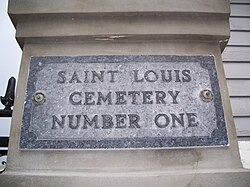
- Oldest Extant Site: St. Louis Cemetery No. 1, established in 1789.
The Evolution of Burial Practices
Early In-Ground Burials
The first known public cemetery, the St. Peter Street Cemetery (Cimetière St-Pierre), appeared on maps in 1725 in what is now the French Quarter. Due to economic constraints at the time, burials were mostly in-ground. Other early burials occurred along the natural levee of the Mississippi River and near Jackson Square, while the city's wealthiest citizens were interred within the St. Louis Church.
The Shift to Above-Ground Tombs
A turning point occurred in 1788 when a yellow fever epidemic struck the city. The combination of the epidemic, the proximity of the St. Peter Street Cemetery to residential areas, and the high water table created severe sanitation issues. In response, officials established St. Louis Cemetery (now St. Louis Cemetery No. 1) in a suburban location outside the city's fortifications.
By 1804, the first above-ground tombs appeared. This transition was accelerated when the St. Louis Church became a cathedral in 1794, prohibiting the burial of clergy and privileged citizens within the church. Consequently, these individuals sought prestige through above-ground tombs, which eventually became status symbols as the city's economic prosperity grew in the early 19th century.
Diverse Funerary Architecture
Tomb Types and Designs
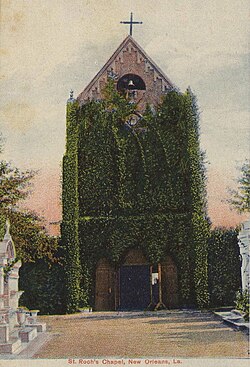
The architecture of New Orleans cemeteries varies by social class and faith. Family tombs and civic association tombs often feature elaborate neo-classical designs. For those with fewer means, wall vaults were used; these were rented spaces where the failure to pay rent could result in the removal of the body. Some tombs also feature a caveau, an underground vault at the bottom of the tomb structure.
Specialized Burial Sites
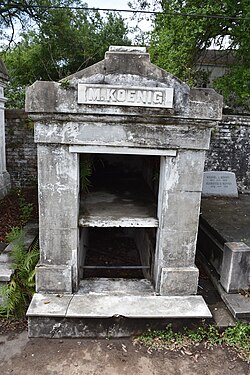
Different faiths and groups established their own dedicated spaces. The Girod Street Cemetery (1822) served Protestants, while the Gates of Mercy Cemetery (1828) served the Jewish community. Because Jewish faith required in-ground interment, they utilized copings—raised beds for in-ground burials.
Military history is also preserved here. The Chalmette National Cemetery, opened in 1864 on the site of the Battle of New Orleans, was originally intended for Union soldiers of the American Civil War. It also became a resting place for thousands of African-American civilians, many of whom were later re-interred at the adjacent Freedmen's Cemetery.
The Influence of J. N. B. de Pouilly
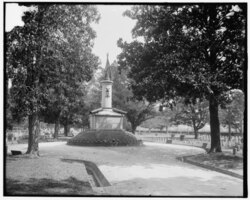
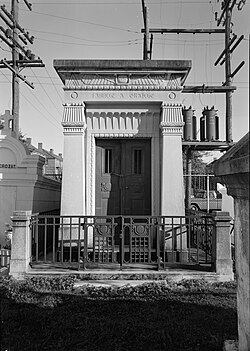
Architect J. N. B. de Pouilly became a specialist in cemetery projects after his reputation suffered from the collapse of the St. Louis Cathedral's central tower in 1850 and the collapse of the Orleans Theatre in 1854. His work is prominently visible in the elaborate tombs of St. Louis Cemetery No. 2.
Preservation and Modern Significance
The "Slums of the Dead"
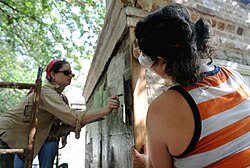
By the mid-1970s, many cemeteries had fallen into severe decay. A 1974 report by the New Orleans Times-Picayune described the state of the graveyards as the "Slums of the Dead," and the state board of health flagged some tombs as public health hazards. This crisis led the Louisiana State Legislature to pass laws in 1974 prohibiting the destruction of cemeteries.
Contemporary Memorials
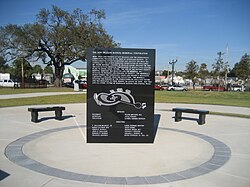
The most recent addition to the city's historic landscape is the Hurricane Katrina Memorial, completed in 2008. This mausoleum houses the remains of unidentified victims of the 2005 hurricane and is located on land that was formerly part of the Charity Hospital Cemetery.
Cultural Traditions
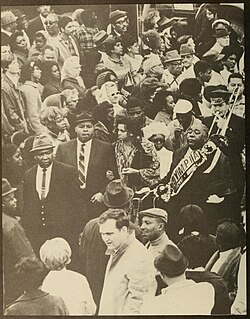
The cemeteries are inextricably linked to the city's living culture, most notably through Jazz Funerals. These processions blend mourning with a celebration of life, reflecting the city's unique approach to death and remembrance.
Summary of Notable New Orleans Cemeteries
| Name | Established | Type | Status | Key Note |
|---|---|---|---|---|
| St. Louis Cemetery No. 1 | 1789 | Roman Catholic | Extant | First above-ground tombs in 1804 |
| Lafayette Cemetery No. 1 | 1833 | Non-denominational | Extant | Historically non-segregated |
| Chalmette National Cemetery | 1864 | Military | Extant | Site of the Battle of New Orleans |
| Metairie Cemetery | 1872 | Historic Rural | Extant | Contains many celebrity burials |
| Hurricane Katrina Memorial | 2008 | Mausoleum | Extant | Unidentified victims of 2005 storm |
Frequently Asked Questions
Why are New Orleans cemeteries above ground?
The city's location at or below sea level creates a high water table. In-ground burials would likely become water-logged or be displaced from the soil, making above-ground tombs a practical necessity.
What is a "potter's field" in the context of New Orleans?
A potter's field is a cemetery for the less affluent or unidentified. Examples include the Charity Hospital Cemetery and the now-demolished Locust Grove cemeteries.
Who is J. N. B. de Pouilly?
He was an architect who, after several high-profile building collapses in the city, shifted his professional focus to specialize in the design of cemetery projects and tombs.
What are "copings" in Jewish cemeteries?
Copings are raised beds used for in-ground burials. These were utilized in cemeteries like Gates of Mercy to satisfy the religious requirement for in-ground interment while managing the city's high water table.
Are the cemeteries open to tourists?
Yes, many of the historic cemeteries are popular tourist destinations, though some, such as the Odd Fellows Rest Cemetery, are not open to the public.