Jean Lafitte National Historical Park and Preserve
The Jean Lafitte National Historical Park and Preserve (French: Parc historique national et réserve Jean Lafitte) is a sprawling network of sites dedicated to protecting the diverse natural and cultural resources of Louisiana's Mississippi River Delta region. Named after the famous French pirate Jean Lafitte, the park is managed by the National Park Service and spans 25,876 acres, with 21,081 acres under federal ownership.
The park is not a single contiguous area but consists of six separate sites and a central headquarters, each offering a unique window into the history, ecology, and people of South Louisiana.
Key Facts
- Established: March 4, 1907.
- Total Area: 25,876 acres (104.72 km²).
- IUCN Category: Category V (protected landscape/seascape).
- Primary Focus: Preservation of the Mississippi River Delta's natural environment and the cultural heritage of the Acadian and military history of the region.
- Annual Visitors: 226,543 (as of 2025).
The Acadiana Unit: Celebrating Cajun Culture
The Acadiana unit focuses on the Cajun culture of the Lafayette area. This distinct culture emerged after the Acadians—French settlers from Canada—were expelled by the British between 1755 and 1764 and subsequently resettled in southern Louisiana following the transfer of French Louisiana to Spain.
This heritage is interpreted through three specialized centers:
- Acadian Cultural Center: Located in Lafayette.
- Prairie Acadian Cultural Center: Located in Eunice, established through the efforts of Mayor Curtis Joubert.
- Wetlands Acadian Cultural Center: Located in Thibodaux.
Barataria Preserve: A Wetland Sanctuary
The Barataria Preserve in Marrero serves as a vital window into the region's natural history. This 1,855-acre (751 ha) area is a designated historic district, added to the National Register of Historic Places on October 15, 1966. It features 63 contributing properties and offers visitors a chance to experience bottomland hardwood forests, swamps, and marshes via trails and canoe tours.
The preserve includes an Education Center for school-based programming and a visitor center featuring exhibits and a film to educate the public on the delicate delta ecosystem.
The Chalmette Unit: Battlefield and National Cemetery
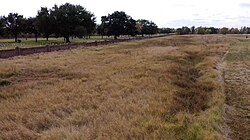
Located six miles southeast of New Orleans, the Chalmette unit is the site of the 1815 Battle of New Orleans. This area is considered an integral part of American national history, housing one of the oldest national cemeteries in the United States.
Chalmette National Cemetery
Established in May 1864, the cemetery is the final resting place for veterans of the American Civil War, the Indian Wars of the late 19th century, the Spanish-American War, World War I, World War II, the Korean War, and the Vietnam War. Notable interments include members of the 12th Maine Infantry Regiment and the 47th Pennsylvania Infantry Regiment, the only Pennsylvania unit involved in the 1864 Red River campaign.
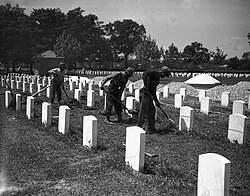
The cemetery has undergone significant restoration. In 1937, the Works Progress Administration (WPA) realigned headstones. More recently, from March to April 2016, volunteers from the HOPE Crew (Hands-on Preservation Experience) cleaned and reset 671 headstones in the oldest section. This area serves as the resting place for US Colored Troops, including free men of color, mixed-race creoles, and refugees from plantations who served the Union Army.
The Freedmen's Cemetery
Adjacent to the national cemetery is the site of the former Freedmen's Cemetery. Established in 1867 by the federal government, this four-acre burial ground was used for formerly enslaved people receiving aid from the Freedmen's Bureau (the U.S. Bureau of Refugees, Freedmen, and Abandoned Lands). Due to budget cuts and the political climate of the Reconstruction era, the cemetery fell into disrepair during the 1870s and was eventually abandoned. Today, it is marked by a historical marker.
Monuments and Visitor Facilities
The Chalmette unit is home to several significant landmarks:
- The Chalmette Monument: A 100-foot-tall obelisk completed in 1908 after decades of lobbying by the Louisiana Society of the United States Daughters of 1776 and 1812. It features an observation deck with views of the battlefield and New Orleans.
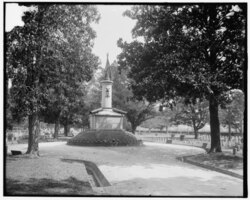
- The G.A.R. Monument: Completed in 1882 by the Grand Army of the Republic's Joseph Mower Post, this monument honors Union Army soldiers and bears the Latin inscription "Dum Tacent Clamant" ("While They Are Silent, They Cry Aloud").
- Visitors' Center: Rebuilt in 2010 after being destroyed by Hurricane Katrina in 2005, the center provides exhibits and information on the battleground.
New Orleans Unit and Administration
The park maintains a presence in the heart of the city at the French Quarter Visitor Center on Decatur Street. This facility interprets the broader history of New Orleans and the diverse cultures of the Mississippi River Delta. The park's headquarters are also located within New Orleans.
Administrative Evolution
The park began as a federal commemorative site for the Battle of New Orleans in 1907. It transitioned from the War Department to the National Park Service in 1933. In 1978, the National Parks and Recreation Act authorized the creation of the multi-site park to integrate the Chalmette and Barataria units with the French Quarter facilities and the Acadiana cultural centers.
| Unit | Primary Focus | Key Feature |
|---|---|---|
| Acadiana | Cajun/Acadian Culture | Three Cultural Centers (Lafayette, Eunice, Thibodaux) |
| Barataria Preserve | Natural History & Wetlands | Canoe tours and hardwood forests |
| Chalmette | Military History | Battlefield, National Cemetery, and Obelisk |
| New Orleans | Urban History & Culture | French Quarter Visitor Center |
Frequently Asked Questions
Who was Jean Lafitte?
Jean Lafitte was a French pirate for whom the national historical park and preserve is named.
What is the significance of the Chalmette Monument?
The Chalmette Monument is a 100-foot-tall obelisk that commemorates the American victory in the 1815 Battle of New Orleans.
What happened to the community of Fazendeville?
Fazendeville, a community founded around 1870 as a home for newly freed slaves, was demolished in the early 1960s to expand the battlefield for the 150th anniversary of the Battle of New Orleans.
What is the purpose of the Barataria Preserve?
The Barataria Preserve protects the natural and cultural history of the region, offering educational programming and access to swamps, marshes, and bottomland hardwood forests.
Who is buried in the Chalmette National Cemetery?
The cemetery holds the remains of casualties and veterans from the American Civil War, the Indian Wars, the Spanish-American War, World War I, World War II, the Korean War, and the Vietnam War, as well as some soldiers from the 1815 Battle of New Orleans.