Tombs: A Global History of Funerary Architecture and Tradition
A tomb—derived from the Ancient Greek word tumbos, meaning "mound" or "burial monument"—is a repository designed to hold the remains of the deceased. These structures can be located above or below ground and vary immensely in size, form, and cultural meaning. As some of the oldest forms of funerary monuments, tombs serve as more than just a means of final disposition; they are profound expressions of religious belief, social status, and the human desire for commemoration.
The act of placing a body within such a structure is known as entombment, a process distinct from simpler burial practices. Because they often incorporate sophisticated architectural and artistic designs, tombs frequently evolve into significant cultural or religious landmarks.
Key Facts
- Definition: A tomb is a repository for human remains, ranging from simple mounds to complex monuments.
- Diversity: Forms include pyramids, rock-cut caves, freestanding mausoleums, and underground crypts.
- Purpose: They function as markers of political power, dynastic legitimacy, and religious devotion.
- Global Reach: Significant examples exist across every continent, from the Daisen Kofun in Japan to the Pyramids of Giza in Egypt.
Types of Tombs
Prehistoric and Ancient Tombs
Early human societies utilized earth, stone, and timber to create burial sites imbued with ritual significance. Some of the most prominent ancient forms include:
- Tumulus: Also known as barrows, kurgans, or burial mounds, these are mounds of earth and stones raised over one or more graves. They are found across Asia, Europe, and the Americas.
- Megalithic Tombs: Structures built from megaliths (large stones) and originally covered in earth, including chamber tombs and dolmens.
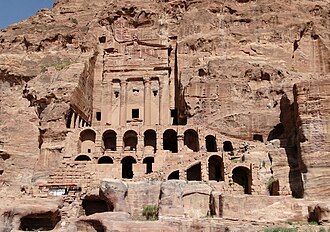
- Rock-cut Tombs: These are carved directly into solid rock. They range from basic caves to the elaborate façades found in Lycia, ancient Egypt, and the city of Petra.
- Pyramids: Monumental ceremonial structures or tombs, most famously associated with Mesoamerica and Ancient Egypt. The Great Pyramid of Giza remains the largest pyramid in the world by volume.
- Ship Burials: A practice common among Germanic peoples and Vikings, where the deceased was placed in a ship accompanied by grave goods, such as the Oseberg Ship burial.
- Grave Fields: Large prehistoric cemeteries containing multiple tombs.
Architectural Tombs and Monuments
As civilizations advanced, freestanding monuments became essential markers of royal, religious, or dynastic power.
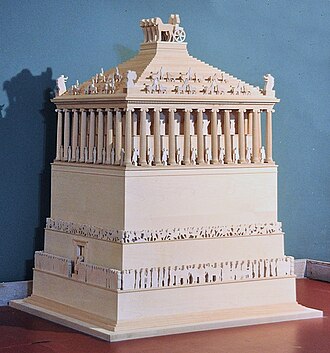
- Mausoleum: An external, free-standing structure that serves as both a monument and an interment space. A primary historical example is the Mausoleum at Halicarnassus, one of the Seven Wonders of the Ancient World.
- Sarcophagus: A decorated stone container for a coffin or body, frequently featuring inscriptions and reliefs. These were widely used in Byzantium, Rome, Greece, and Egypt.
- Pillar Tomb: A grave marked by a monumental column or pillar, common in Arabia and parts of Africa.
- Martyrium: A Christian building, often polygonal or circular, constructed to mark the site of a martyr's tomb, such as San Pietro in Montorio.
- Stećak: Medieval monumental tombstones decorated with reliefs, found primarily in Montenegro, Serbia, Croatia, and Bosnia and Herzegovina.
Tombs within Religious Contexts
Many faiths integrate burial spaces into sacred architecture or dedicated cemeteries to facilitate veneration.
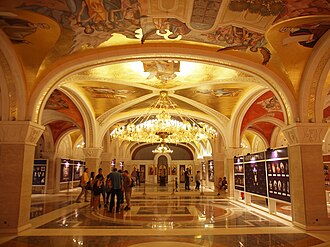
- Crypt and Burial Vault: A crypt is an underground chamber beneath a church used for patrons, saints, or bishops. A burial vault is a stone or brick-lined underground chamber, often owned by a family.
- Sepulchre: A rock-cut, cavernous tomb, particularly significant in Christian and Jewish traditions, such as the Holy Sepulchre in Jerusalem.
- Islamic Tombs: Known as Mazar, Türbe, Qubba, Dargah, or Gongbei, these mausoleums often serve as pilgrimage sites.
- Samadhi: In India, these are tomb-shrines for saints that blend devotional and funerary elements.
- Other structures: These include the Ohel (a structure around a Hasidic leader's grave), shrines (built over a saint's first burial place), and charnel houses (buildings used to store skeletal remains in medieval Europe).
Symbolism and Cultural Significance
Tombs are more than architectural feats; they embody the values and aesthetics of the cultures that built them. They typically symbolize:
- The belief in the continuity of life after death.
- The assertion of political power and the legitimacy of a dynasty.
- High artistic expression through the use of painting, sculpture, and architecture.
- The practice of veneration and pilgrimage within religious frameworks.
Summary of Tomb Classifications
| Category | Example Type | Primary Characteristic | Notable Example |
|---|---|---|---|
| Ancient/Prehistoric | Pyramid | Monumental stone structure | Great Pyramid of Giza |
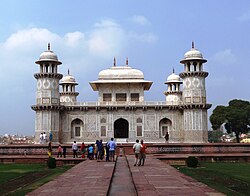
| Architectural | Mausoleum | Freestanding building | Taj Mahal |
| Rock-Cut | Sepulchre | Carved into natural rock | Holy Sepulchre |
| Religious/Internal | Crypt | Underground church chamber | Church of Saint Sava |
Frequently Asked Questions
What is the difference between a tomb and a grave?
While a grave is a general term for where a body is buried, a tomb is specifically a repository—often an architectural structure—that can be above or below ground and frequently involves artistic or monumental design.
What is a mausoleum?
A mausoleum is a freestanding external building that serves as both a monument and a place for interment, often used to denote high social or political status.
What are the largest tombs in the world?
The Great Pyramid of Giza is the largest by volume, while the Daisen Kofun in Japan (the tomb of Emperor Nintoku) is the largest by area.
What is a sarcophagus?
A sarcophagus is a stone container used to hold a coffin or a body, typically decorated with reliefs and inscriptions, common in ancient Mediterranean cultures.
What is a tumulus?
A tumulus, also called a barrow or kurgan, is a mound of earth and stones raised over one or more graves, found in various early cultures across the globe.