Neuquén Province: The Heart of Northern Patagonia
Located in the western reaches of Argentina, Neuquén serves as the gateway to the northern end of Patagonia. Bordering Chile to the west, Mendoza to the north, and Río Negro to the southeast, this province is a land of stark contrasts—ranging from arid eastern plateaus to the lush, forested valleys of the Andes mountains.
The name "Neuquén" is derived from the Mapudungun word Nehuenken, meaning "drafty," a term used by indigenous peoples to describe the Neuquén River. Today, the province is recognized not only for its breathtaking natural beauty but also as one of Argentina's most prosperous regions.
Key Facts
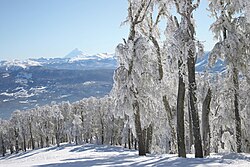
- Capital: Neuquén
- Total Area: 94,078 km²
- Population: 710,814 (2022 Census)
- HDI: 0.832 (Very High)
- GDP per capita: US$ 13,800
- Key Resources: Petroleum, natural gas, and virgin forests
History and Cultural Evolution
![Victoria Island (Argentina) [es]](/images/35/f1/35f1355b83ece6750200c950ca5437bee06cb22400513059a3a1751dde628fea.jpg)
Pre-Hispanic and Colonial Eras
Long before European arrival, the region was inhabited by the Tehuelches and Pehuenche peoples. Archaeological evidence from the Lácar Department reveals the presence of maize as far south as 40°19' S in Melinquina, likely introduced via the Inca Empire. While agriculture existed in nearby areas, many indigenous populations favored a hunter-gatherer lifestyle, sustained by the abundance of guanaco game in the Patagonian grasslands.
European contact began with Spanish conquistadores from Chile. In 1670, Jesuit priest Nicolás Mascardi founded the mission Nuestra Señora de Nahuel Huapi, though missionary activity largely ceased by 1767 following the suppression of the Society of Jesus.
The Royalist Hideout
During the wars of independence led by José de San Martín, northern Neuquén became a sanctuary for the Pincheira brothers. This mounted outlaw gang, composed of Spanish, Mestizos, and indigenous allies, established a permanent encampment in Varvarco. They conducted numerous raids into the newly formed republics until Chilean troops, commanded by Jorge Beauchef, raided the camp in 1827.
Integration and Modern Governance
The province's integration into Argentina was accelerated by the explorations of Perito Francisco Moreno and the subsequent "Conquest of the Desert" initiated by Julio Argentino Roca in 1879. By 1884, the Territory of Neuquén established its current boundaries.
The 20th century brought transformative growth through the arrival of the railway and the discovery of petroleum in Plaza Huincul in 1918. Politically, the region has been heavily influenced by the Movimiento Popular Neuquino (MPN), founded by Elias Sapag. The MPN advocated for federalism and local control over the province's vast natural resources. Neuquén officially became a province on June 15, 1955.
Geography and Natural Wonders
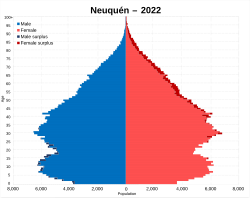
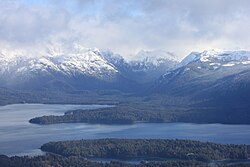
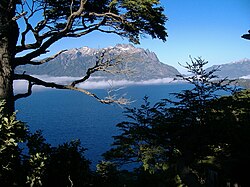
Neuquén is defined by two primary landscapes: the mountainous, fertile western valleys and the arid eastern plateaus. The province is crisscrossed by a complex lacustrine system, including the massive Nahuel Huapi Lake and the Huechulaufquen Lake.
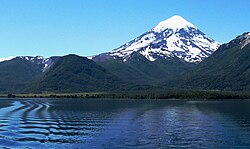
The region is home to several protected areas, including the Lanín National Park, featuring the Lanín extinct volcano, and the Los Arrayanes National Park, famous for its unique Luma apiculata forests.
Climate and Environment
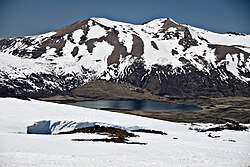
Due to the rain-shadow effect of the Andes, Neuquén possesses the most continental climate in Patagonia. The eastern regions are dry, often receiving less than 200 mm of annual precipitation. In contrast, the western Andean slopes are much wetter, with some southern areas receiving over 3,000 mm of rain per year.
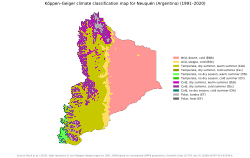
Temperatures vary wildly by altitude. While eastern summers can exceed 40°C during heat waves, the Andean peaks can drop below 0°C. The province also experiences moderately strong westerly winds that contribute to the aridity of the eastern plains.
Economy and Tourism
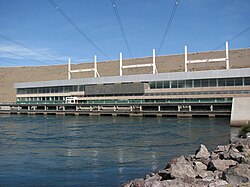
Neuquén is an economic powerhouse for Argentina, driven largely by the extraction of petroleum and natural gas. The province also leverages its water resources for hydroelectric power, exemplified by the El Chocón Dam, one of the country's most vital energy installations.
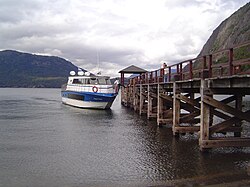
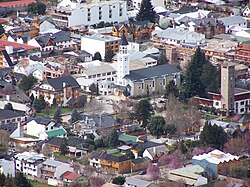
Tourism is a cornerstone of the local economy, with visitors flocking to the "Lake District." Popular destinations include San Martín de los Andes and Villa La Angostura, which offer world-class hiking, river trout fishing, and winter sports.

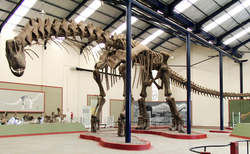
For those interested in paleontology, the Carmen Funes Museum in Plaza Huincul displays the remains of the Argentinosaurus, one of the largest dinosaurs ever known to have existed, dating back 95 million years.
Provincial Overview
| Category | Detail |
|---|---|
| Total Area | 94,078 km² |
| Population (2022) | 710,814 |
| Administrative Divisions | 16 Departments |
| Primary Industries | Oil, Gas, Tourism, Energy |
| Human Development Index | 0.832 (Very High) |
Frequently Asked Questions
What is the significance of the Argentinosaurus in Neuquén?
The Argentinosaurus is one of the largest known dinosaurs. Its 95-million-year-old remains are displayed at the Carmen Funes Museum in Plaza Huincul, highlighting the region's rich paleontological history.
How does the Andes mountain range affect Neuquén's climate?
The Andes act as a barrier to moisture from the Pacific Ocean. This creates a rain-shadow effect, leaving the eastern part of the province arid while the western slopes receive significant precipitation.
What is the Movimiento Popular Neuquino (MPN)?
The MPN is a dominant local political party founded by Elias Sapag. It focuses on federalism and ensuring that the province retains greater rights and benefits from its own natural resources.
Which are the top tourist destinations in the province?
The most prominent destinations include San Martín de los Andes, Villa La Angostura, and various national parks such as Lanín, Nahuel Huapí, and Los Arrayanes.
What are the primary economic drivers of Neuquén?
The economy is primarily driven by the extraction of petroleum and natural gas, hydroelectric power generation (such as the El Chocón Dam), and a thriving tourism industry.