Neolithic British Isles: The Dawn of Farming and Megaliths
The Neolithic period in the British Isles, spanning from approximately 4100 to 2500 BC, represents the final stage of the Stone Age. This era marked a profound shift in human existence, transitioning from the nomadic lifestyles of the Mesolithic hunter-gatherers to settled, agricultural communities. This transformation, often termed the Neolithic Revolution, fundamentally altered both the social structures and the physical landscape of the region.
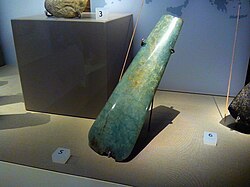
The shift began around 4000 BC with the arrival of migrants from Central Europe. These new inhabitants brought domesticated plants, animals, and a sedentary way of life. To establish farmland, these early farmers engaged in mass deforestation, permanently changing the islands' ecology. They also introduced advanced stone-working techniques, including the polishing of tools, which required greater skill than previous methods.
Key Facts
- Timeline: Approximately 4100 BC to 2500 BC.
- Major Shift: Transition from hunter-gatherer (Mesolithic) to sedentary farming (Neolithic).
- Migration: Early farmers likely arrived via the Mediterranean coast from the Balkans and Iberia.
- Landscape Change: Widespread deforestation occurred to create agricultural land.
- Population Turnover: The arrival of the Beaker culture around 2500 BC replaced over 90% of the Neolithic gene pool.
- Architecture: Characterized by megalithic (large stone) chambered tombs and stone circles.
The Spread of the Neolithic Revolution
The Neolithic Revolution first took hold in the Near East—specifically the Levant and the Fertile Crescent—between 10,000 and 8,000 BC. While similar developments occurred independently in Asia, Africa, and the Americas, the agriculturalist movement into the British Isles was a later event. A 2019 genetic study suggests that these farmers entered the region around 4100 BC, closely related to populations in Iberia, effectively replacing the native Mesolithic hunter-gatherers.
One of the most sophisticated examples of this early period is the Ness of Brodgar, a complex dating to roughly 3500 BC. This site suggests a high level of social or religious organization contemporary with the city of Uruk and predating the first pyramids.
Environmental Impact and Agriculture
The adoption of farming necessitated the clearing of vast woodlands. Early communities used stone axes, ring barking (removing a strip of bark to kill the tree), and burning to clear land in areas such as Dartmoor and the North Yorkshire Moors. This led to a dramatic decline in elm trees between 4300 and 3250 BC.
Archaeologists debate the cause of the elm decline. Some suggest farmers harvested elm leaves for winter animal fodder, while others point to the elm bark beetle, which carries Dutch elm disease. It is even hypothesized that farmers may have intentionally spread the beetles to clear land more efficiently.
Monumental Architecture and Settlement
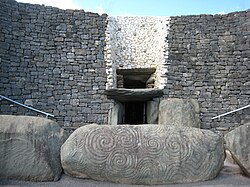
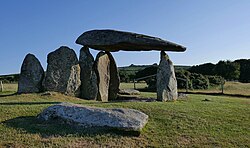
The Neolithic people are best known for their megalithic architecture—massive stone structures used for burial and ritual. Chambered tombs, built primarily between 4000 and 3200 BC, are found across Western Europe. These are believed to be sites of ancestor veneration and may have been designed to mimic the long timber houses found in the Danube basin.
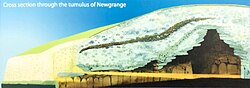
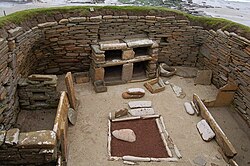
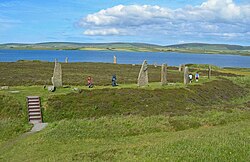
Beyond tombs, the period saw the rise of stone circles and sophisticated domestic settlements. In Orkney, sites like Skara Brae provide a rare glimpse into Neolithic domestic life, featuring stone-built houses. Other impressive structures include the Ring of Brodgar and the Standing Stones of Stenness.
Summary of Major Neolithic Sites
| Site Name | Location | Approximate Date | Type |
|---|---|---|---|
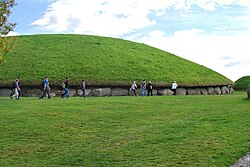
| Newgrange | Ireland | c. 3200 BC | Chambered Tomb |
| Skara Brae | Scotland | 3180–2500 BC | Settlement |
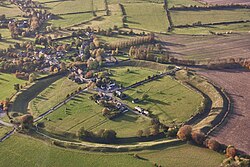
| Avebury | England | c. 3000–2600 BC | Stone Circle |
| Pentre Ifan | Wales | c. 3500 BC | Megalithic Tomb |
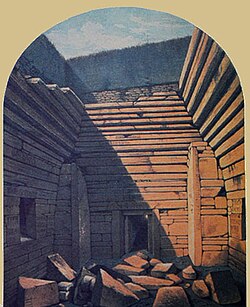
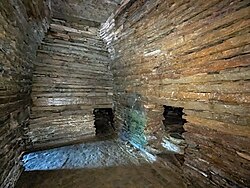
| Maes Howe | Scotland | c. 2800 BC | Chambered Tomb |
The Transition to the Bronze Age
The Neolithic period ended around 2500 BC with the arrival of the Beaker culture. These people, associated with the Yamnaya-related populations from the Lower Rhine area, brought significant genetic changes to the region. Evidence suggests that more than 90% of the existing Neolithic gene pool was replaced by these migrants, marking the transition into the Bronze Age.
Evolution of Archaeological Study
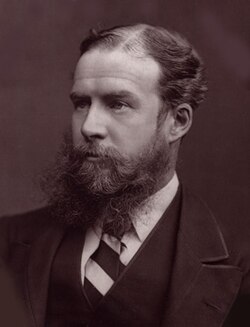
Our understanding of the Neolithic has evolved through three main stages of study. In the 17th and 18th centuries, antiquarians like John Aubrey and William Stukeley began documenting monuments, though they were limited by Biblical literalism. In 1865, John Lubbock coined the term "Neolithic" to describe the era of polished stone tools.
In the 20th century, processual archaeology emerged, using the scientific method to focus on ecological impacts and subsistence. This was later followed by post-processual archaeology in the 1980s, which viewed the Neolithic as an ideological phenomenon, emphasizing the symbolic and social meaning behind the great megalithic monuments.
Frequently Asked Questions
Who were the first farmers in the British Isles?
The first farmers were migrants from Central Europe who arrived around 4100 BC. Genetic evidence suggests they were descended from agriculturalists who moved west from the Balkans along the Mediterranean coast and were closely related to Neolithic peoples of Iberia.
Why did the Neolithic people build megalithic tombs?
Archaeologists believe these tombs served as sites for ancestor veneration. Some theories suggest the stone structures were intentionally designed to resemble the long timber houses used by farming peoples in the Danube basin.
What caused the mass deforestation during the Neolithic?
Deforestation was driven by the need for agricultural land. Farmers used stone axes, burning, and ring barking to clear forests. The decline of elm trees specifically may have been caused by animal fodder collection or the spread of the elm bark beetle.
What happened to the Neolithic population around 2500 BC?
Around 2500 BC, the arrival of the Beaker culture led to a nearly total turnover of the population. Genetic studies indicate that over 90% of the Neolithic gene pool was replaced by people with Steppe ancestry from the Lower Rhine area.