Neo-Assyrian EmpireMesopotamiaAncient Near EastAshurbanipalSennacherib

Neo-Assyrian Empire: The Rise and Fall of the First World Empire

Neo-Assyrian Empire: The Rise and Fall of the First World Empire The Neo-Assyrian Empire (911–609 BCE) represents one of the most formidable powers of the Iron Age. Emerging from the hear...

Neo-Assyrian Empire: The Rise and Fall of the First World Empire

The Neo-Assyrian Empire (911–609 BCE) represents one of the most formidable powers of the Iron Age. Emerging from the heartland of northern Mesopotamia, it evolved from a regional state into what many historians consider the first true "world empire." Driven by a royal ideology of universal rule, the Assyrians expanded their dominion across the Near East, blending military innovation with sophisticated administration.

This ambition was not new; it was rooted in a long Mesopotamian tradition of imperialism dating back to the Early Dynastic Period and the Akkadian Empire. By the time the Neo-Assyrian period began, the desire to be the "king of the Universe" had become a central pillar of royal identity.
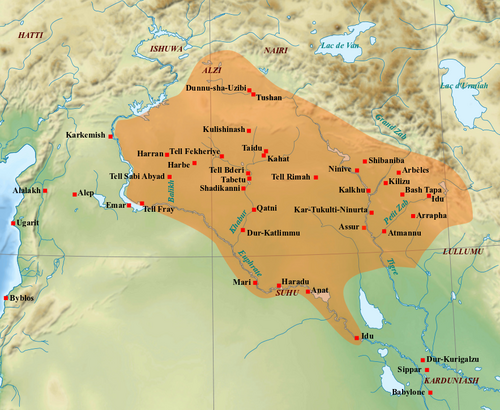
Approximate map of the preceding Middle Assyrian Empire at its height in the 13th century BCE

Key Facts

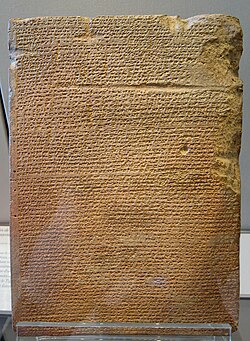
Annals of Tukulti-Ninurta II (r. 890–884 BCEE), recounting one of his campaigns
  • Timeline: 911 BCE to 609 BCE.
  • Maximum Area: Approximately 1.4 million square kilometers.
  • Capitals: Assur, Nimrud, Dur-Sharrukin, Nineveh, and Harran.
  • Official Languages: Akkadian and Imperial Aramaic.
  • Key Achievement: Established the largest empire in history up to that point.
  • Final Collapse: Resulted from a combined Medo-Babylonian conquest.

The Path to Dominance
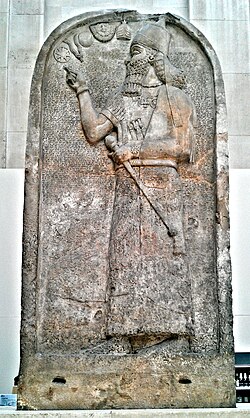
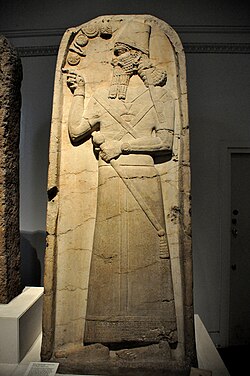
Stele of Ashurnasirpal II (r. 883–859 BCE)

Initial Reconquest

The resurgence of Assyrian power began under Ashur-dan II (r. 934–912 BCE), who reversed a long period of decline following the Middle Assyrian Empire. The early Neo-Assyrian phase was a slow process of rebuilding. Rulers like Adad-nirari II and Tukulti-Ninurta II focused on securing borders and establishing vassal states, such as Katmuḫu, rather than immediate total annexation.
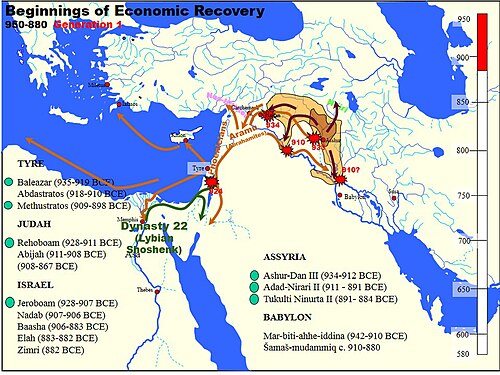
Early Neo-Assyrian borders and campaigns under Ashur-dan II (r. 934–912 BCEE), Adad-nirari II (r. 911–891 BCEE) and Tukulti-Ninurta II (r. 890–884 BCEE)

The Imperial Apogee

The empire reached its zenith through a series of powerful monarchs who expanded its borders through aggressive military campaigns and strategic administration. Tiglath-Pileser III (r. 745–727 BCE) is credited with revitalizing the state, significantly expanding its territory and refining the military machine.
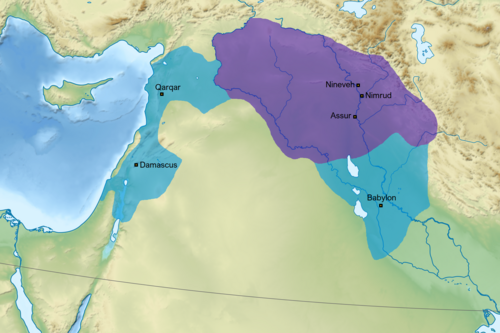
The Neo-Assyrian Empire at the start (purple) and end (blue) of Tiglath-Pileser III's reign

Following him, Sargon II founded the Sargonid dynasty and built the magnificent city of Dur-Sharrukin. His successor, Sennacherib, moved the capital to Nineveh and is remembered for both his architectural achievements and the brutal destruction of Babylon.
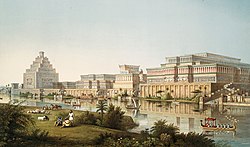
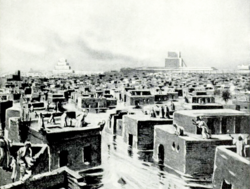
19th-century reconstruction of Nineveh, made capital under Sennacherib

The Final Great Kings

Esarhaddon and Ashurbanipal pushed the empire to its furthest limits. Esarhaddon focused on the conquest of Egypt, while Ashurbanipal, often regarded as the last great king, campaigned in all directions of the Near East. Ashurbanipal's reign saw the defeat of the Elamite king Teumman in 653 BCE and the capture of Thebes in Egypt.
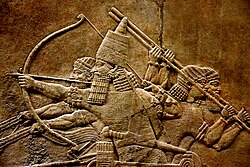
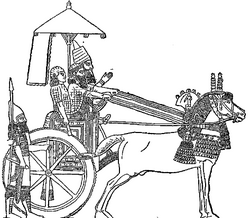
Relief depicting Ashurbanipal in a chariot, armed with a bow

Government and Society

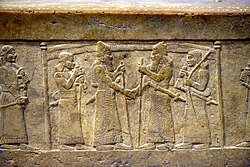
Depiction of Shalmaneser III (right) shaking hands with the Babylonian king Marduk-zakir-shumi I (left)

Administration and Communication

To manage such a vast territory, the Neo-Assyrians developed a complex bureaucracy. They utilized a system of state communications and royal roads to ensure that orders from the capital reached distant provinces quickly. The administration was supported by an elite class of officials, including eunuchs who played significant roles in the royal court.
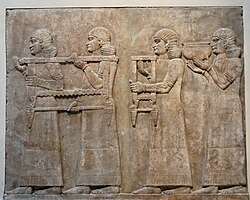
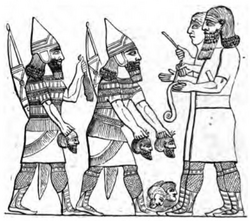
Neo-Assyrian relief depicting eunuchs carrying booty from a war

Military Might and Resettlement

The Assyrian army was the most advanced of its time, utilizing iron weaponry and organized formations, including the phalanx. To maintain control and break the spirit of conquered peoples, the empire employed a policy of mass resettlement, forcibly moving entire populations from their homelands to different parts of the empire.

Line-drawing of a Neo-Assyrian relief depicting a family of deportees leaving a captured Babylonian city in an ox-cart[180]

Culture and Scholarship

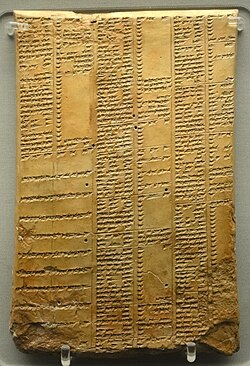
Despite their reputation for brutality, the Assyrians were great patrons of scholarship. Ashurbanipal established a massive library at Nineveh, collecting cuneiform tablets from across Mesopotamia, including linguistic studies and synonyms, preserving a wealth of ancient knowledge.
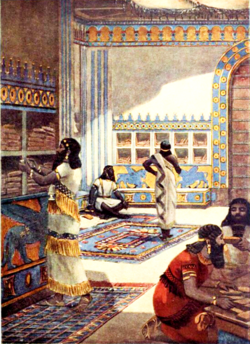
Reconstruction of the Library of Ashurbanipal

The Collapse of the Empire

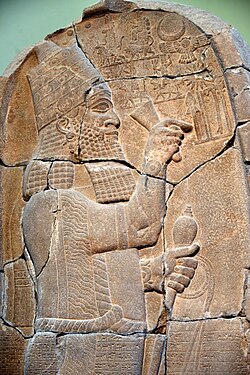
Stele of Shamshi-Adad V (r. 824–811 BCE)

The fall of the Neo-Assyrian Empire was as rapid as its rise. Internal instability and the sheer scale of the territory made it vulnerable. Between 626 and 609 BCE, a coalition of Medes and Babylonians launched a series of devastating attacks. The great cities fell in quick succession: Nineveh in 612 BCE, Assur in 614 BCE, and finally Harran in 609 BCE, marking the end of Assyrian hegemony.
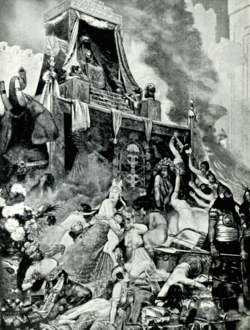
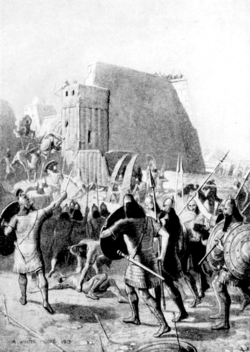
20th-century illustration of the Fall of Nineveh

Empire Summary

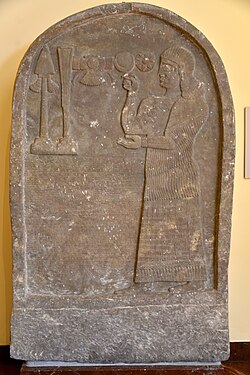
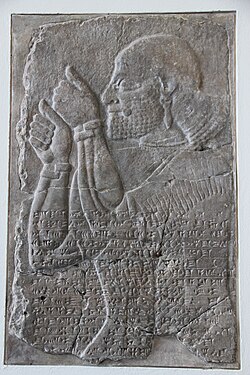
Stele of Bel-harran-beli-usur, a palace herald, made in the reign of Shalmaneser IV (r. 783–773 BCEE)
Overview of the Neo-Assyrian Empire
Category Details
Period 911–609 BCE
Major Capitals Assur, Nimrud, Dur-Sharrukin, Nineveh, Harran
Key Monarchs Tiglath-Pileser III, Sargon II, Sennacherib, Ashurbanipal
Languages Akkadian, Imperial Aramaic
Territorial Peak ~1.4 million km²
Successor States Neo-Babylonian Empire, Median Empire

Frequently Asked Questions

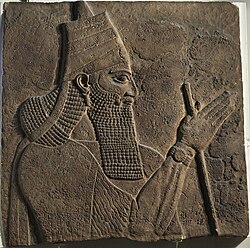
Partial relief depicting Tiglath-Pileser III (r. 745–727 BCE)
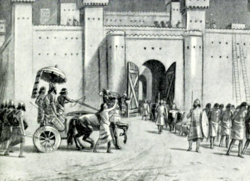
20th-century illustration of Tiglath-Pileser III's capture of Damascus
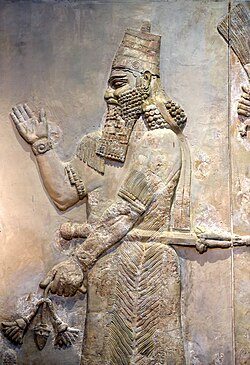
Relief depicting Sargon II, founder of the Sargonid dynasty
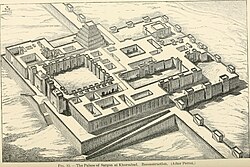
20th-century reconstruction of Sargon II's palace at Dur-Sharrukin
Line-drawing of a relief depicting Sennacherib (r. 705–681 BCE) on campaign in a chariot
20th-century illustration of Sennacherib's destruction of Babylon
Esarhaddon as depicted in his victory stele
20th-century illustration of the Assyrians capturing Memphis, the Egyptian capital, during the Assyrian conquest of Egypt
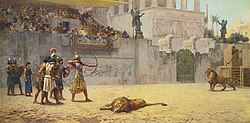
The Diversion of an Assyrian King (1876) by Frederick Arthur Bridgman
Impression of a seal possibly belonging to the eunuch usurper Sîn-šumu-līšir (r. 626 BCE)[102]
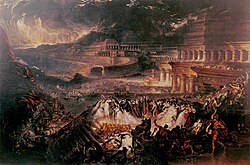
Fall of Nineveh (1829) by John Martin
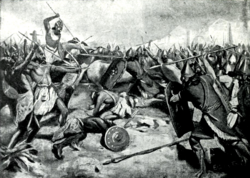
20th-century illustration of the Battle of Carchemish
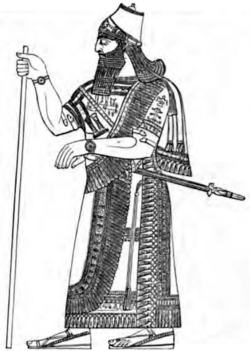
Line-drawing of a relief from Nimrud depicting a Neo-Assyrian king
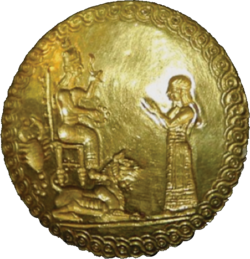
Seal of Hama, queen of Shalmaneser IV.
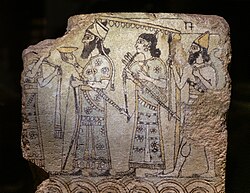
Glazed tile from Nimrud depicting a Neo-Assyrian king, accompanied by attendants
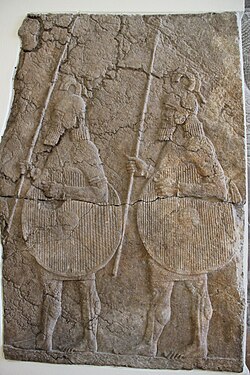
Relief from Sennacherib's palace at Nineveh depicting two Assyrian spearmen
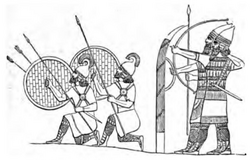
Line-drawing of a Neo-Assyrian relief showing soldiers forming a phalanx
Neo-Assyrian relief from Nimrud depicting a tribute-bearer
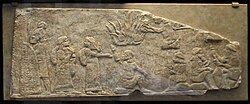
Relief from the time of Ashurbanipal, depicting Babylonian prisoners under Assyrian guard
Neo-Assyrian cuneiform tablet from the Library of Ashurbanipal listing synonyms
Line-drawing of a relief depicting Neo-Assyrian scribes recording the number of enemies slain by soldiers
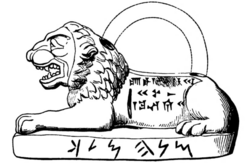
Line drawing of an Assyrian lion weight once belonging to the king Shalmaneser V (r. 727–722 BCE). The inscriptions on the weight are in both Akkadian (on the body) and Aramaic (on the base).
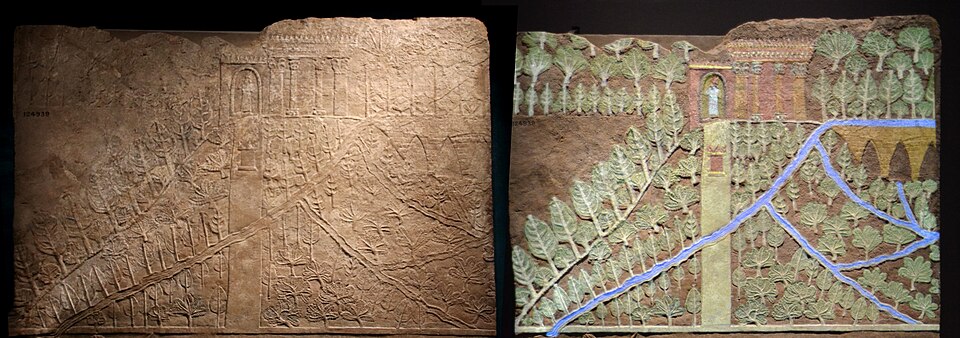
Relief depicting the gardens of Ashurbanipal in Nineveh (left) with a color reconstruction (right). As can be seen on the right side of the relief, the garden featured sophisticated irrigation aqueducts.
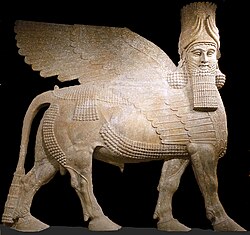
A giant lamassu from Sargon II's palace at Dur-Sharrukin
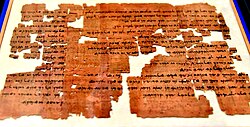
Egyptian papyrus from c. 500 BCE containing the Story of Ahikar
Great Semiramis, Queen of Assyria by Cesare Saccaggi [it]
Western view of the isle of Elephantine, Egypt, where the Elephantine papyri and ostraca were found.
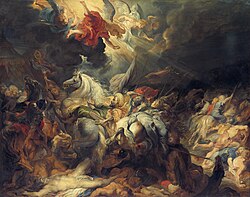
The Defeat of Sennacherib by Peter Paul Rubens
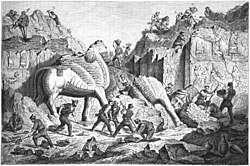
1861 illustration by Eugène Flandin of excavations of the ruins of Dur-Sharrukin
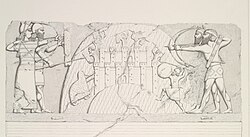
1849 illustration of a relief from Dur-Sharrukin by Eugène Flandin
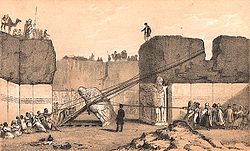
1852 illustration by Austen Henry Layard of excavations at Nineveh
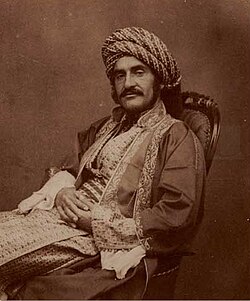
Portrait of the Assyrian archaeologist Hormuzd Rassam c. 1854
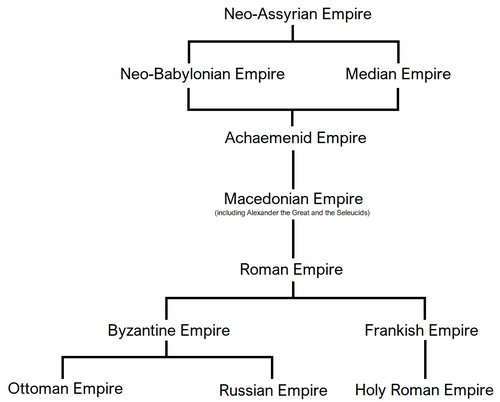
Chart depicting the ideological translatio imperii, i.e. supposed transfer of the right to universal rule, from the Neo-Assyrian Empire to (rival) early modern states claiming the same right
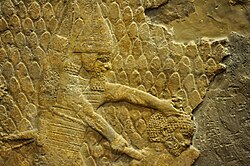
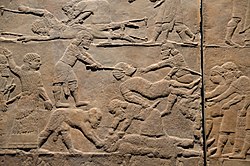
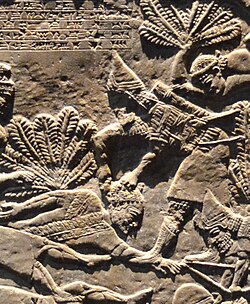
Relief of Sennacherib, depicting an Assyrian soldier beheading a prisoner
Relief of Ashurbanipal depicting Elamite chiefs having their tongues removed and being flayed alive
Relief of Ashurbanipal, depicting the beheading of the Elamite king Teumman
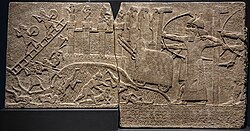
Relief from Tiglath-Pileser's palace in Nimrud depicting the Assyrians besieging a town

Why is the Neo-Assyrian Empire called the first world empire?

It is considered the first world empire because it was the largest political entity ever formed up to that point in history, exercising direct and indirect control over a vast, diverse array of peoples and territories across the ancient Near East.

What was the role of the Library of Ashurbanipal?

The library served as a central repository for the knowledge of the time, housing thousands of cuneiform tablets that covered literature, science, and linguistics, which has provided modern historians with invaluable insights into Mesopotamian culture.

How did the Assyrians maintain control over their subjects?

The empire used a combination of military terror, a sophisticated communication network, and a policy of mass deportation to prevent rebellions and integrate conquered populations into the imperial economy.

Which languages were used in the empire?

Akkadian was the traditional language of the state and elite, while Imperial Aramaic became widely used for administration and communication due to its simpler alphabet and widespread use among the population.

What led to the final fall of Nineveh?

Nineveh fell in 612 BCE during a coordinated assault by the Medes and the Babylonians, who sought to end Assyrian dominance in the region.

References

  1. Sign-by-sign transliterated as mat Aš-šurᴷᴵ, literally meaning "Country of Ashur". Equivalent in archaic Sumero-Akkadian cuneiforms: 𒆳𒀭𒊹𒆠 KUR AN-ŠAR₂ᴷᴵ; the same in Assyrian cuneiform in Ashubanipal's Rassam cylinder: 𒆳𒀭𒊹𒆠 KUR AN-ŠAR₂ᴷᴵ,[1][2] pronounced in Assyrian mat Aušarᵏⁱ, then mat Aššurᵏⁱ mat Aššurᵏⁱ, meaning "The country of the city of god Aššur";[3][4][5][6] also phonetically in another inscription of Ashurbanipal 𒆳𒀸𒋩 mat aš-šur (Sumerian: 𒆳𒀸𒋩)[7] or 𒀸𒋩𒆠 aš-šurᵏⁱ (Sumerian 𒀸𒋩𒆠)[8] Also 𒆳𒀭𒀀𒋩 mat ᵈa-šur in Amarna letter EA 15 dating to c. 1340 BCE
  2. Rarely also the Late Assyrian Empire[15] or New Assyrian Empire[16]
  3. Adad-nirari II's accession is the conventional starting date for the Neo-Assyrian Empire.[17] Some historians alternatively include the reign of his predecessor Ashur-dan II as well, placing the beginning of the Neo-Assyrian period in 934 BCE.[18]
  4. See the section the Neo-Assyrian Empire as a world empire
  5. It has for instance been suggested that Hebrew monotheism, which developed around this time, followed experiences with the near-monotheism of the Assyrians in regard to Ashur or the monocratic imperial rule of the Neo-Assyrian kings.[29]