Natural Monuments: Protecting Earth's Unique Geological and Cultural Treasures
A natural monument is a specific natural or cultural feature recognized for its outstanding or unique value. These sites are designated based on their inherent rarity, their representation of exceptional aesthetic qualities, or their deep cultural significance. Unlike expansive wilderness areas, natural monuments often focus on a singular, striking feature that defines the landscape.
These monuments encompass a wide array of geological and geographical features. Common examples include waterfalls, cliffs, craters, fossil beds, sand dunes, unique rock formations, valleys, and coral reefs. Beyond geology, the designation extends to sites of spiritual importance to faith groups and archaeological or historical locations linked to the environment, such as cave art—particularly those significant to the lands of Indigenous Peoples.
Key Facts
- Definition: Features of unique value due to rarity, aesthetics, or cultural importance.
- IUCN Status: Classified as Level III protected areas.
- Scope: Can include both abiotic features (rocks, caves) and biotic features (ancient groves).
- Size: Generally smaller protected areas compared to national parks or wilderness areas.
- Purpose: To protect the integrity of a specific feature and its immediate surroundings.
Conservation and Protection Standards
IUCN Guidelines
The International Union for Conservation of Nature and Natural Resources (IUCN) categorizes natural monuments as Level III. According to these guidelines, these areas are set aside to protect a specific feature, which may be a landform, sea mount, submarine cavern, or a geological feature like a cave. They can even be living features, such as an ancient grove. Because of their unique nature, these areas often possess high visitor value, though they offer a lower level of protection than Level II (national parks) and Level I (wilderness areas).
European Environment Agency (EEA) Criteria
The European Environment Agency provides specific selection guidelines to ensure the quality of these designations. To be classified as a natural monument, an area must meet two primary criteria:
- Outstanding Significance: The area must contain one or more features of exceptional importance. This includes natural elements like craters, waterfalls, and unique flora and fauna, as well as cultural elements such as cliff-top forts, cave dwellings, or sites of indigenous heritage.
- Integrity: The protected area must be large enough to safeguard the feature itself and the environment immediately surrounding it.
Global Examples of Natural Monuments
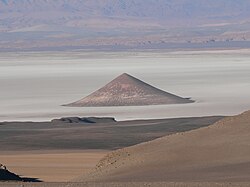
Natural monuments are found across every continent, showcasing the diversity of the Earth's crust and biological history. In South America, Argentina protects the Cono de Arita, a striking geological formation.
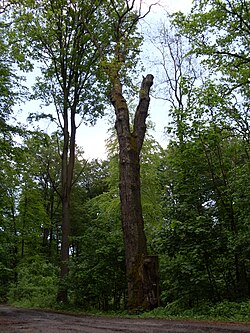
In Europe, Poland recognizes several unique sites, including the Bogusław Oak, located in the Ueckermünde Heath near Leśno Górne.
Other notable examples include the Grand Canyon in the United States, the White Cliffs of Dover in the United Kingdom, and the Chocolate Hills and Mayon Volcano Natural Park in the Philippines.
| Country | Notable Natural Monuments |
|---|---|
| Argentina | Cono de Arita |
| Belize | Great Blue Hole |
| Brazil | Ilhas Cagarras |
| Germany | Weltenburg Narrows, Green Belt Thuringia, Oaks of Ivenacker, Kasberger Linde |
| Japan | Terushima Cormorant Habitat |
| Philippines | Chocolate Hills, Hundred Island National Park, Mayon Volcano Natural Park |
| Poland | Bogusław Oak, Crooked Forest, Waligóra Pine |
| Russia | Berd Rocks |
| United Kingdom | White Cliffs of Dover |
| United States | Grand Canyon |
Frequently Asked Questions
What is the difference between a natural monument and a national park?
Under IUCN guidelines, natural monuments (Level III) are generally smaller and focused on a specific, unique feature. National parks (Level II) typically cover larger areas and provide a higher level of overall protection.
Can a living thing be a natural monument?
Yes. Natural monuments can include living features, such as ancient groves or specific historic trees, provided they have outstanding value or rarity.
Are cultural sites included in natural monument designations?
Yes, provided they are linked to the natural environment. This includes archaeological sites, cave art, and locations of spiritual significance, especially those relevant to Indigenous Peoples.
What criteria does the EEA use to select a natural monument?
The European Environment Agency requires that the site contains features of outstanding significance (natural or cultural) and that the protected area is large enough to maintain the integrity of the feature and its immediate surroundings.