National Museum of American History: A Journey Through the American Experience
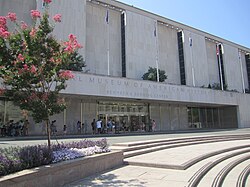
The National Museum of American History serves as a vast repository of the nation's heritage, utilizing a structured layout across three exhibition floors to tell the story of the United States. Each wing of the museum is anchored by a landmark object—a signature artifact designed to highlight the specific theme of that section. From the industrial power of early locomotives to the poignant symbols of civil rights, the museum blends massive installations with intimate personal stories.
Connecting these wings are the artifact walls: 275 feet (84 m) of glass-fronted cases spanning the first and second floor center cores. These walls organize the American experience into thematic categories, including arts, popular culture, business, medicine, science, technology, and the United States' global role.
Key Facts
- Centerpiece: The original Star Spangled Banner flag is housed in a climate-controlled room at the heart of the museum.
- Scale: The museum features three main exhibition floors and an extensive Archives Center with over 12,000 feet of shelving.
- Diverse Exhibits: Collections range from an 18th-century colonial house to iconic lowriders and presidential history.
- Innovation Hub: The Lemelson Center focuses specifically on the study of invention and innovation.
Floor-by-Floor Exhibition Guide
Lower Level: Daily Life and Leisure
The lower level focuses on the intersection of daily habits and pop culture. The exhibit Taking America to Lunch celebrates the history of American lunch boxes. This level also houses the ride simulators and the Stars and Stripes Café food court.
First Floor: Technology and Innovation
The first floor is divided into two primary wings focusing on the tools and science that shaped the nation:
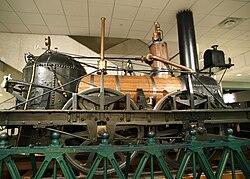
- East Wing (1 East): Dedicated to transportation and technology. The signature artifact here is the John Bull locomotive. Key exhibits include America on the Move—featuring Southern Railway locomotive no. 1401 and a Chicago "L" elevated station diorama—and Lighting a Revolution.
- West Wing (1 West): Focused on science and innovation, featuring the Vassar Telescope as its signature artifact. Highlights include Science in American Life (with Robots on the Road), Julia Child's Kitchen, and the Spark!Lab, a hands-on space operated by the Lemelson Center.
Second Floor: Ideals and Domestic Life
The second floor explores the conceptual and social foundations of America:
- East Wing (2 East): Examines American ideals, anchored by the Greensboro, North Carolina lunch counter. This wing includes the Albert Small Documents Gallery, which has previously hosted the original Gettysburg Address.
- Center (2 Center): The museum's heart contains the original Star Spangled Banner Flag. Visitors can interact with a full-size digital reproduction of the flag created by Potion Design to learn more about its history.
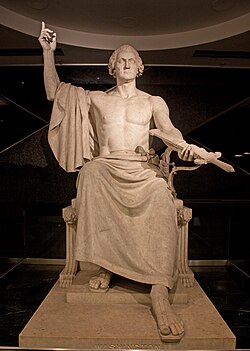
- West Wing (2 West): Features the George Washington statue by Horatio Greenough as its landmark. This wing also houses the Within These Walls exhibit, which contains the Choate-Caldwell House, an entire 18th-century colonial home from Massachusetts.
Third Floor: Power, Conflict, and Culture
The top floor covers the public face of the nation and its cultural expressions:
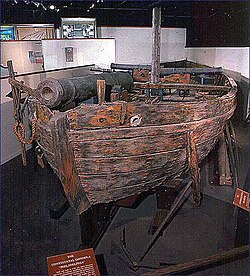
- East Wing (3 East): Dedicated to military history, featuring The Price of Freedom: Americans at War and the gunboat Philadelphia.
- Center (3 Center): Explores the executive branch through The American Presidency: A Glorious Burden and the First Ladies of America exhibit, which uses fashion to illustrate changing societal roles.
- West Wing (3 West): A hub for entertainment, sports, and music. It includes the Hall of Musical Instruments, The Dolls' House, and a car from Disneyland's Dumbo Flying Elephant ride. The Entertainment Nation exhibit features items from icons like Prince, Selena, and Muhammad Ali.
Currently, the 3 West wing features the Gypsy Rose in the Corazón y vida: Lowriding Culture exhibit (on display September 2025 through October 2027). This iconic lowrider, known for its hand-painted roses and custom interior, appeared in the show Chico and the Man and the film Boulevard Nights.
Museum Infrastructure and Specialized Centers
The Archives Center
Supporting the museum's educational mission, the Archives Center preserves significant records across various media. With over 12,000 feet of shelving, it specializes in the history of technology (radio, television, computing), advertising, American music, and oral histories.
The Lemelson Center for the Study of Invention and Innovation
The Lemelson Center is dedicated to documenting and disseminating information about invention. It produces podcasts, symposia, and educational materials for classrooms nationwide. The center also manages traveling exhibitions, such as Invention at Play, and acquires archival materials from American inventors.
Outdoor Art Installations
The museum's exterior features significant abstract works. Infinity, a 24-foot-tall stainless steel ribbon by José de Rivera and Roy Gussow, stands at the National Mall entrance. On the west side, Alexander Calder's Gwenfritz, a steel abstract stabile, is situated within a re-created reflecting pool.
| Floor/Area | Wing/Section | Primary Theme | Signature Artifact |
|---|---|---|---|
| First Floor | East (1 East) | Transportation & Tech | John Bull Locomotive |
| First Floor | West (1 West) | Science & Innovation | Vassar Telescope |
| Second Floor | East (2 East) | American Ideals | Greensboro Lunch Counter |
| Second Floor | Center (2 Center) | National Symbols | Star Spangled Banner Flag |
| Second Floor | West (2 West) | Founding Figures/Home | George Washington Statue |
| Third Floor | East (3 East) | Military History | Gunboat Philadelphia |
| Third Floor | Center (3 Center) | The Presidency | Presidential/First Lady Collections |
| Third Floor | West (3 West) | Entertainment & Sports | Dumbo Ride Car / Gypsy Rose |
Frequently Asked Questions
Where is the Star Spangled Banner located?
The original flag is the centerpiece of the museum, located in a climate-controlled room in the center of the second floor (2 Center).
What is the purpose of the Lemelson Center?
The Lemelson Center documents and interprets invention and innovation, fostering creativity in young people and highlighting the role of innovation in U.S. history through publications, podcasts, and educational programs.
What can visitors find in the Archives Center?
The Archives Center houses over 12,000 feet of records, including business papers, oral histories, and collections focused on the history of technology, advertising, and American music.
Which exhibit features the Gypsy Rose lowrider?
The Gypsy Rose is featured in the Corazón y vida: Lowriding Culture exhibit in the third-floor west wing (3 West), scheduled to be on display from September 2025 through October 2027.
What are the artifact walls?
The artifact walls are 275 feet of glass-fronted cases in the center core of the first and second floors, organized by themes such as medicine, politics, and popular culture.