Articles/National Mottos of the World: Symbols of State Identity
national mottosstate mottossovereign nationsnational symbolscoat of arms
National Mottos of the World: Symbols of State Identity
National Mottos of the World: Symbols of State Identity A national motto is a short phrase used to encapsulate the intent, motivation, or core values of a state. These concise declaration...
National Mottos of the World: Symbols of State Identity
A national motto is a short phrase used to encapsulate the intent, motivation, or core values of a state. These concise declarations serve as a symbolic shorthand for a nation's identity, often reflecting its history, aspirations, or religious foundations. To ensure these messages are woven into the fabric of daily life, governments frequently place them on official symbols such as national flags, coats of arms, and currency.
While many sovereign states maintain an official motto, some rely on unofficial slogans, and others have no formal motto at all. These phrases range from Latin maxims and religious invocations to calls for unity and progress.
Key Facts
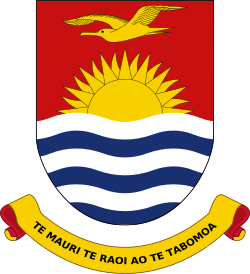
Kiribati: "Health, Peace and Prosperity" on the Coat of arms of Kiribati.
Purpose: Mottos describe the motivation or intent of a state in a brief phrase.
Placement: Commonly found on flags, currency, and coats of arms.
Diversity: Mottos are written in a variety of languages, including Latin, French, Spanish, and indigenous tongues.
Variability: Not all countries have an official national motto.
Mottos of Current Sovereign Nations
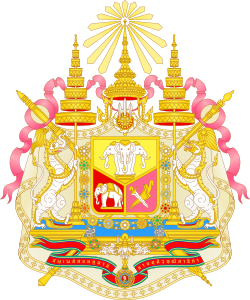
The national motto of the Kingdom of Siam, as shown on Chulalongkorn's coat of arms
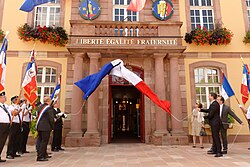
Modern sovereign states use mottos to signal their political leanings or social goals. For instance, France and Haiti both utilize the phrase Liberté, égalité, fraternité (Liberty, equality, fraternity) to emphasize democratic values.
France's national motto Liberté, égalité, fraternité, seen on a public building in Belfort: France's national motto Liberté, égalité, fraternité, seen on a public building in Belfort
Other nations focus on progress and unity. Brazil's motto, Ordem e progresso (Order and progress), is a prominent example of a state's desire for stability and growth.
The national motto of Brazil, Ordem e progresso (Order and progress), is inscribed on the Brazilian flag.: The national motto of Brazil, Ordem e progresso (Order and progress), is inscribed on the Brazilian flag.
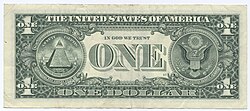
Many nations incorporate faith into their identity. The United States uses In God We Trust, while Nicaragua uses the Spanish equivalent, En Dios Confiamos.
The national motto of the United States is In God We Trust, as shown on the reverse of the United States one-dollar bill.: The national motto of the United States is In God We Trust, as shown on the reverse of the United States one-dollar bill.
Canada's motto, A mari usque ad mare (From sea to sea), highlights the vast geography of the nation.
The Canadian motto within the 1921 Arms of Canada: The Canadian motto within the 1921 Arms of Canada
Examples of Sovereign Mottos
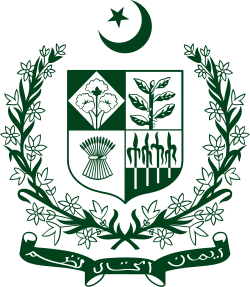
India:Satyameva Jayate (Truth alone triumphs). The National Emblem of India bears the motto Satyameva Jayate (Sanskrit: "Truth alone triumphs").: The National Emblem of India bears the motto Satyameva Jayate (Sanskrit: "Truth alone triumphs").
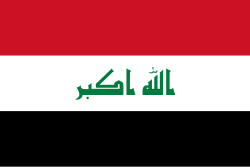
Iraq:Allahu Akbar (God is Great). The flag of Iraq displays the national motto, Allahu Akbar ("God is Great").: The flag of Iraq displays the national motto, Allahu Akbar ("God is Great").
Regions that are not fully sovereign, such as semi-autonomous dependencies or territories, also employ mottos to express local identity or loyalty to a parent state. For example, the U.S. Virgin Islands use United In Pride And Hope, while the Isle of Man uses the Latin Quocunque Ieceris Stabit (Whithersoever you throw it, it will stand).
Some territories mirror the motto of their governing nation. Wallis and Futuna, as well as the French Southern and Antarctic Lands, both use the French national motto of liberty, equality, and fraternity.
Historical State Mottos
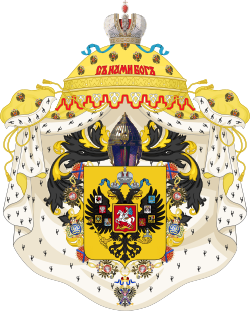
The mottos of extinct states or historical empires provide a window into the ideologies of the past. The Russian Empire used S nami Bog! (God with us), and the Ottoman Empire referred to itself as Devlet-i Ebed-müddet (The Eternal State).
The national motto of the Russian Empire: Съ нами Богъ! (S nami Bog!): The national motto of the Russian Empire: Съ нами Богъ! (S nami Bog!)
Other historical examples include the Republic of Texas with its famous Remember the Alamo, and the Kingdom of Bavaria's In Treue fest (Steadfast in loyalty).
Summary of Selected National Mottos
Selected National and Regional Mottos
Entity
Motto (Original/Translated)
Primary Theme
France
Liberté, égalité, fraternité
Civic Values
Brazil
Ordem e progresso
Stability/Growth
India
Satyameva Jayate
Truth
Canada
A mari usque ad mare
Geography
Bolivia
La Unión es la Fuerza
Unity
Panama
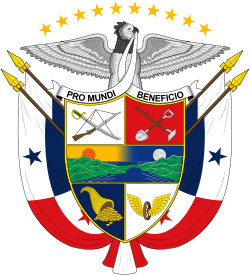
Pro mundi beneficio
Global Service
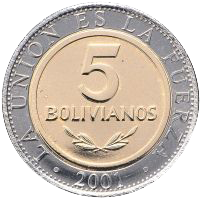
The national motto of Bolivia, La Unión es la Fuerza (Unity is Strength), is inscribed on boliviano coins.: The national motto of Bolivia, La Unión es la Fuerza (Unity is Strength), is inscribed on boliviano coins.
Panama: Pro mundi beneficio (Latin: "For the benefit of the world").: Panama: Pro mundi beneficio (Latin: "For the benefit of the world").
Frequently Asked Questions
What is a state motto?
A state motto is a short phrase that describes the intent, motivation, or core values of a nation or region.
Where are national mottos typically displayed?
They are commonly found on a country's national flag, coat of arms, or official currency.
Do all countries have an official motto?
No, some countries do not have an official national motto, while others may have unofficial slogans that are widely recognized.
Why are many mottos written in Latin?
Latin was historically the lingua franca of diplomacy, law, and scholarship in the West, making it a common choice for formal state declarations.
Can a motto change over time?
Yes, as seen in the historical section, different regimes or changes in government (such as the transition from the German Empire to later states) often result in the adoption of new mottos to reflect new ideologies.