Nansen International Office for Refugees: A Legacy of Humanitarian Aid
In the wake of global conflict and mass displacement, the Nansen International Office for Refugees (French: Office International Nansen pour les Réfugiés) emerged as a pioneering force in international humanitarianism. Established in 1930 by the League of Nations, the organization was named in honor of Fridtjof Nansen, a visionary who dedicated his life to aiding the displaced. For nearly a decade, the Office served as the primary international body responsible for managing refugees from war-torn regions.
The organization was designed to provide both material and political support to those forced from their homes. While the League of Nations covered administrative expenses—specifically those funded by fees from the Nansen passport—the Office relied heavily on private contributions to fund its welfare and relief operations.
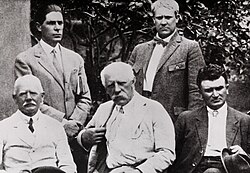
Key Facts
- Founded: 1930 by the League of Nations.
- Dissolved: 1939.
- Primary Innovation: The Nansen passport, which provided legal travel documents for stateless persons.
- Major Honor: Awarded the Nobel Peace Prize in 1938.
- Key Achievement: Facilitated the 1933 Refugee Convention.
The History and Evolution of the Office
The Office was created shortly after the death of Fridtjof Nansen to ensure the continuity of the international aid work he began in Geneva in 1921. Its primary mission was to offer a lifeline to stateless individuals who lacked the protection of a national government.
One of the most significant challenges the organization faced was the geopolitical climate of the 1930s. Despite its mandate, Nansen aid was not applicable to refugees fleeing the Third Reich or the Spanish Civil War, largely because many countries refused to accept these specific groups of displaced persons.
By 1938, the Office's contributions were recognized globally with the Nobel Peace Prize. However, the organization was dissolved shortly thereafter, coinciding with the dissolution of the League's High Commission (established in 1933), due to the complexities surrounding German refugees following the collapse of the Third Reich. In 1938, the Office was replaced by the appointment of a High Commissioner for Refugees, which served as a direct precursor to today's United Nations High Commissioner for Refugees (UNHCR).
Major Accomplishments and Impact
The Nansen International Office for Refugees left a lasting mark on international law and human rights. Its most enduring legacy was the Nansen passport, a travel document that allowed stateless people to cross borders legally, granting them a degree of mobility and dignity.
Legal and Diplomatic Milestones
The Office was instrumental in the adoption of the 1933 Refugee Convention. Signed by fourteen countries, this convention acted as a modest but essential charter of human rights for the displaced.
Resettlement Successes
Beyond legal frameworks, the Office executed large-scale resettlement programs:
- Armenian Refugees: The Office helped 10,000 Armenians resettle in Yerevan and secured specially constructed housing in Syrian and Lebanese villages for another 40,000.
- Saar Refugees: Following the reintegration of the Saar region into Germany in 1935, the Office successfully resettled refugees in Paraguay.
| Category | Details |
|---|---|
| Active Period | 1930–1939 |
| Founding Body | League of Nations |
| Key Document | Nansen passport |
| Major Award | 1938 Nobel Peace Prize |
| Successor | High Commissioner for Refugees (Precursor to UNHCR) |
Frequently Asked Questions
What was the Nansen passport?
The Nansen passport was an internationally recognized travel document issued to stateless people, allowing them to travel between countries despite lacking a national citizenship.
Why did the Nansen International Office for Refugees receive the Nobel Peace Prize?
The organization was awarded the 1938 Nobel Peace Prize specifically for its efforts in establishing and implementing the Nansen passports.
Who funded the organization's relief work?
While the League of Nations covered administrative costs through passport fees, the actual welfare and relief operations were funded by private contributions.
Which refugee groups did the Office help resettle?
The Office successfully resettled thousands of Armenians in Yerevan, Syria, and Lebanon, as well as Saar refugees in Paraguay.
Why was the organization dissolved in 1939?
The Office was dissolved alongside the League's High Commission due to the immense difficulties and political problems surrounding German refugees after the dissolution of the Third Reich.