Mysore: The Cultural Capital of Karnataka
Known by many names—including Mysuru, the Heritage City, and the City of Palaces—Mysore is a metropolitan center in the state of Karnataka, India. Renowned as the cultural capital of the region, it is a city where royal history blends seamlessly with modern education and industry. From its aromatic sandalwood and jasmine to its world-famous silk, Mysore remains a beacon of South Indian tradition.
The city is governed by the Mysore City Corporation, with the current administration led by Mayor Shivakumar. Geographically, it is situated at an elevation of 770 meters (2,530 ft), providing a temperate climate that has historically made it an attractive residence for both royalty and scholars.
Key Facts
- Official Language: Kannada
- Nicknames: Sandalwood City, City of Jasmine, Heritage City, City of Palaces
- Population: 920,550 (Metropolitan City, 2011 Census)
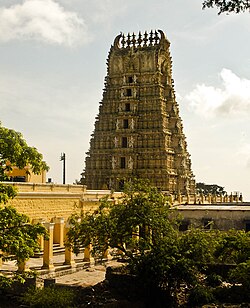
- Major Landmarks: Mysore Palace, Chamundeshwari Temple, Mysore Zoo
- Sister Cities: Cincinnati, Ohio and Nashua, New Hampshire (USA)
Geography and Climate
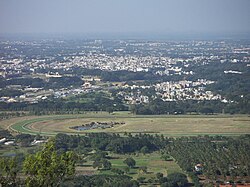
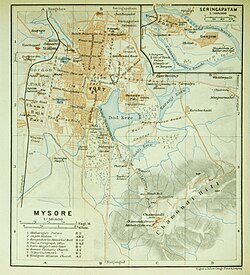
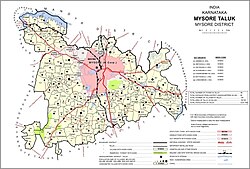
Mysore is located in the Mysore district of Karnataka. The metropolitan area covers approximately 286 square kilometers, while the broader rural area extends to 703 square kilometers. The city's landscape is defined by its proximity to the Chamundi Hills, which offer a panoramic view of the urban sprawl.
The climate of Mysore is generally moderate. The hottest months typically occur between March and May, with record highs reaching 39.9°C. The region experiences its heaviest rainfall from September to October, with October averaging 162.7 mm of precipitation. This seasonal cycle supports the lush greenery and agricultural productivity of the surrounding taluk.
Demographics and Society
The population of Mysore has seen steady growth over the last century. From a population of 74,648 in 1891, the city grew to 920,550 by 2011. This growth reflects the city's evolution from a royal seat to a modern educational and industrial hub.
The social fabric of the city is diverse, with Hinduism (73.65%) and Islam (21.92%) being the primary religions. Linguistically, Kannada is the dominant language spoken by 60.51% of the population, followed by Urdu (21.2%), Telugu (4.82%), and Tamil (4.58%).
Culture and Tourism
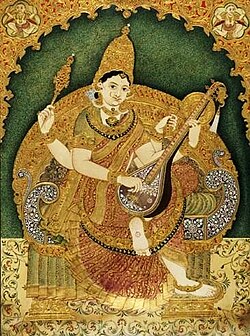
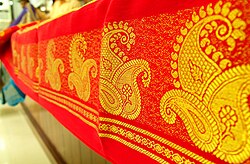
Mysore is a center for traditional arts and crafts. It is particularly famous for Mysore painting, a unique style often depicting deities like Saraswati, and the exquisite Mysore silk sari, prized for its quality and intricate designs.
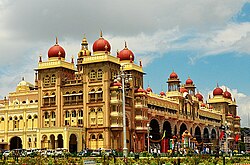
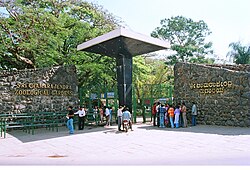
Tourism is a pillar of the local economy, with millions of visitors drawn to the city's architectural marvels. The Mysore Palace stands as the most prominent attraction, often cited for its popularity and grandeur. Other key sites include the Mysore Zoo and the various lakes that dot the landscape.
Education and Economy
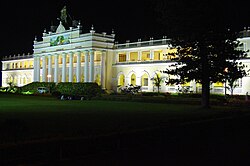
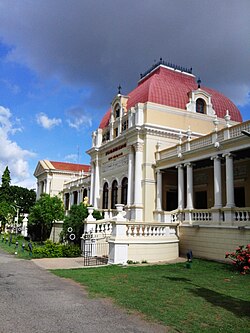
The city is a major academic center, anchored by the University of Mysore, established in 1916. It hosts a variety of specialized institutions, including the National Institute of Engineering and the All India Institute of Speech and Hearing.
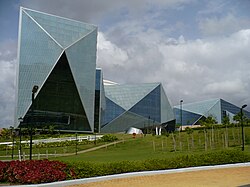
Economically, Mysore has diversified from traditional crafts into technology and research. The presence of the Infosys office at Hebbal signifies the city's role in the software export industry. Additionally, the city hosts critical research bodies such as the Central Food Technological Research Institute (CFTRI) and the Defence Food Research Laboratory.
Transport and Infrastructure
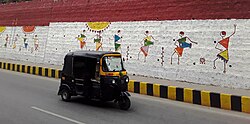
Mysore is well-connected via a comprehensive transport network. The Mysore Junction railway station serves as a primary rail hub, while the Mysore Airport handles air traffic. The city's road infrastructure includes national highways and an outer ring road designed to alleviate urban traffic congestion.
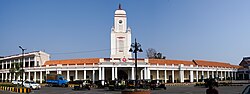
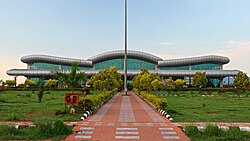
For local transit, the city has introduced innovative solutions like the Trin Trin bicycle system to promote sustainable urban mobility.
City Overview Summary
| Category | Details |
|---|---|
| State | Karnataka |
| Elevation | 770 m (2,530 ft) |
| Metro Population (2011) | 1,060,120 |
| Primary Language | Kannada |
| Key Industries | Software, Silk, Tourism, Education |
Frequently Asked Questions
What are the different names for Mysore?
The city is officially known as Mysuru in Kannada. It is also affectionately called the Heritage City, the City of Palaces, the Cultural Capital of Karnataka, Sandalwood City, and the City of Jasmine.
What is the significance of the University of Mysore?
Established in 1916, the University of Mysore is a premier public institution providing undergraduate, post-graduate, and doctoral research across multiple disciplines, cementing the city's status as an educational hub.
What are the most famous cultural products of the city?
Mysore is world-renowned for its Mysore silk saris and traditional Mysore paintings, which are characterized by their intricate detail and cultural depth.
What is the climate like in Mysore?
Mysore has a moderate climate with an average annual rainfall of 831.5 mm. The peak rainy season occurs in October, while the warmest temperatures are typically recorded between March and May.
Which major landmarks should tourists visit?
Visitors should not miss the Mysore Palace, the Chamundeshwari Temple atop Chamundi Hill, and the Mysore Zoo.