Karnataka: A Comprehensive Guide to South India's Cultural and Economic Powerhouse
Located in the heart of South India, Karnataka is a land of striking contrasts, where ancient rock-cut temples coexist with the gleaming skyscrapers of a global technology hub. From the mist-covered peaks of the Western Ghats to the sun-drenched shores of the Laccadive Sea, the state offers a rich tapestry of biodiversity, history, and modern innovation.
Formerly known as Mysore State, the region was officially renamed Karnataka by Chief Minister Devaraj Urs to better reflect its linguistic and cultural identity. Today, it stands as one of India's most influential states, balancing a deep respect for its heritage with a forward-looking economic trajectory.
Key Facts
- Capital: Bengaluru, the largest city and a major global IT hub.
- Official Language: Kannada, written in the Kannada script.
- Economy: Ranked 3rd in India by nominal GDP ($361.19 billion for 2025–26).
- Geography: Spans 191,791 km², ranking 6th in total area among Indian states.
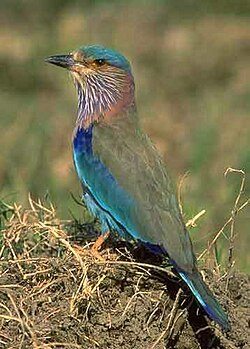
- State Symbols: The Indian roller (bird), Lotus (flower), Indian elephant (mammal), and Sandalwood (tree).
- Highest Point: Mullayyanagiri, reaching an elevation of 1,925 meters.
Geography and Climate
Karnataka's landscape is divided into three distinct geographical zones, each contributing to the state's ecological diversity:
- Karavali and Tulu Nadu: The scenic coastal region bordering the Arabian Sea.
- Malenadu: The hilly region encompassing the Western Ghats, a biodiversity hotspot known for its lush forests and rainfall.
- Bayaluseeme: The vast plains of the Deccan Plateau.
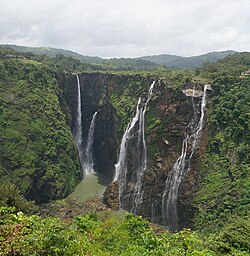
The state is also home to breathtaking natural wonders, including the Jog Falls, formed by the Sharavathi River, which stand as the second-highest plunge waterfalls in India.
History and Architecture
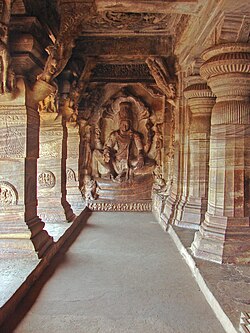
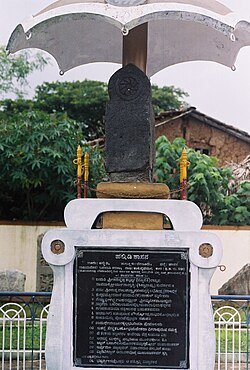
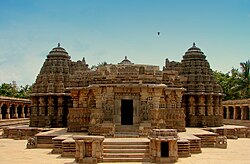
The history of Karnataka is etched into its stone. The state is renowned for its diverse architectural styles, ranging from the rock-cut caves of Badami to the intricate carvings of the Hoysala Empire. The Halmidi inscription, dating back to 450 CE, serves as the earliest attested record of the Kannada language.
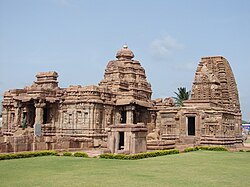
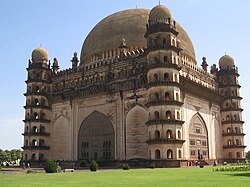
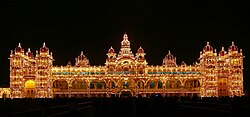
Among its most significant landmarks are the UNESCO World Heritage Sites at Pattadakal, featuring the Mallikarjuna and Kashi Vishwanatha temples. Other architectural marvels include the Gol Gumbaz in Bijapur, which boasts the second-largest pre-modern dome in the world, and the majestic Mysore Palace, the seat of the Wodeyar dynasty.
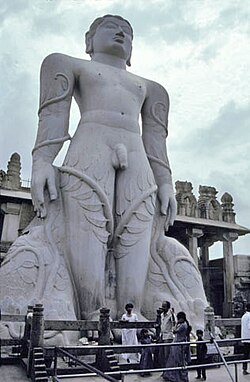
The state also holds deep spiritual significance for various faiths, exemplified by the massive Gomateswara statue at Shravanabelagola, a primary center for Jain pilgrimage.
Demographics and Culture
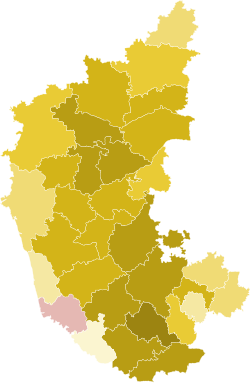
With a population of over 61 million (as of 2011), Karnataka is a multilingual society. While Kannada is the official language and spoken by the majority (66.5%), other languages such as Urdu, Telugu, Tamil, and Tulu are widely used across different districts.
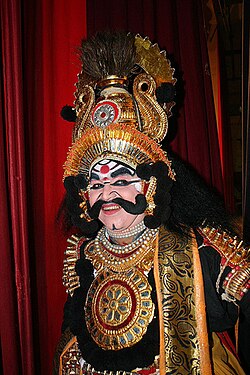
The state's cultural identity is further enriched by traditional art forms like Yakshagana, a vibrant dance-drama. The people, known as Kannadigas, maintain a strong connection to their roots while embracing the cosmopolitan nature of their urban centers.
Economy and Infrastructure
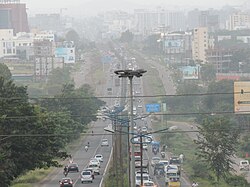
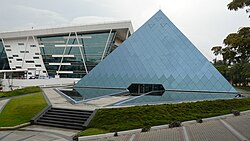
Karnataka is a global leader in information technology and biotechnology. Bengaluru, often called the "Silicon Valley of India," is home to giants like Infosys and premier educational institutions such as the Indian Institute of Science (IISc).
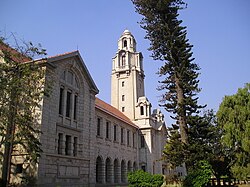
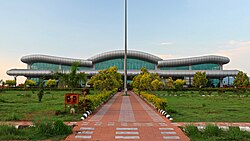
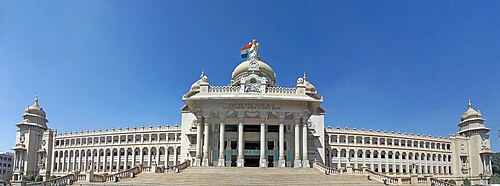
The state's infrastructure is supported by a robust network of highways and airports, facilitating trade and tourism. The Vidhana Soudha in Bengaluru serves as the imposing seat of the state's Legislative Assembly, symbolizing the administrative power of the region.
State Overview Summary
![Literacy rates of Karnataka districts[190]](/images/ca/cb/cacbdf092012998c7377752615a30870be2a7f5f045c3895f89fd27c0e40ec25.jpg)
| Category | Details |
|---|---|
| Formation Date | 1 November 1956 |
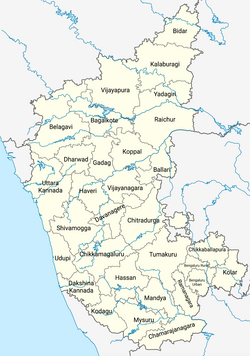
| Administrative Divisions | 4 Divisions, 31 Districts |
| Nominal GDP (2025-26) | $361.19 Billion |
| Literacy Rate (2024) | 82.7% |
| Sex Ratio (2025) | 938 ♀ / 1000 ♂ |
| Official Motto | Satyameva Jayate (Truth alone triumphs) |
Frequently Asked Questions
What is the official language of Karnataka?
The official language of the state is Kannada, which is written in the Kannada script.
Which city is the capital of Karnataka?
Bengaluru is the capital and the largest city of Karnataka, serving as a major hub for IT and education.
What are the three main geographical zones of the state?
The state is divided into the coastal Karavali and Tulu Nadu, the hilly Malenadu (Western Ghats), and the plains of Bayaluseeme (Deccan Plateau).
Which architectural site in Karnataka has one of the world's largest pre-modern domes?
The Gol Gumbaz at Bijapur features the second largest pre-modern dome in the world, surpassed only by the Hagia Sophia.
What is the significance of the Halmidi inscription?
The Halmidi inscription, dating to 450 CE, is the earliest known attested inscription in the Kannada language.