Bengaluru: The Dynamic Silicon Valley of India
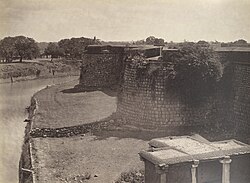
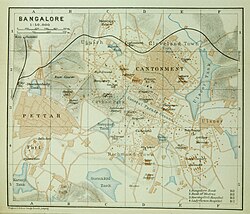
Known globally as the Silicon Valley of India and the IT Capital of India, Bengaluru is a sprawling metropolis in the state of Karnataka. Once celebrated as the Garden City of India, it has evolved from a modest mud fort into a global hub for technology, innovation, and commerce. Situated at an elevation of 920 meters, the city offers a unique blend of historical heritage and futuristic urban development.
Founded in 1537 by Kempe Gowda I, Bengaluru has grown into one of India's most populous urban centers. Today, it serves as a critical economic engine for the country, boasting an estimated GDP of $590.4 billion as of 2024.
Key Facts
- Founded: 1537 by Kempe Gowda I.
- Nicknames: Silicon Valley of India, IT Capital of India, Garden City of India.
- Official Language: Kannada.
- Population: Approximately 8.44 million (Metropolis, 2011 Census).
- GDP: Estimated $590.4 billion (2024).
- Elevation: 920 meters (3,020 ft).
Historical Evolution
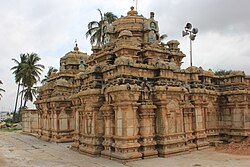
The roots of Bengaluru stretch back to the early and middle ages, with the Begur Nageshwara Temple dating back to approximately 860 CE during the Western Ganga dynasty.
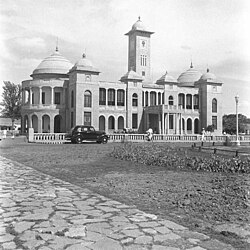
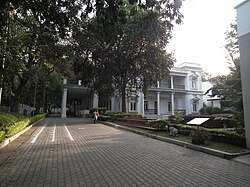
The city's formal foundation occurred in 1537 when Kempe Gowda I established a mud fort. Over the centuries, the city transitioned through various administrative eras, eventually incorporating grand architectural projects like the Bengaluru Palace, built in 1887. This palace was modeled after Windsor Castle in England and reflects the Tudor architectural style.
![Bengaluru Palace, built in 1887 in Tudor architectural style was modelled on Windsor Castle in England.[36]](/images/21/fe/21feda9fa44168f9ca7c753e7716b1431f5d5ef667e45bc35c8d2358cef31775.jpg)
Geography and Climate
Bengaluru is located in the Bengaluru Urban district of Karnataka. Its geography is characterized by a moderate climate, which has historically made it an attractive place for residence and industry.
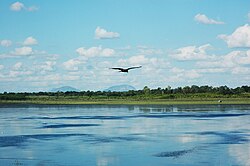
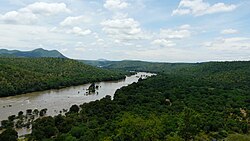
The city's hydrography is heavily dependent on the Kaveri River, which provides the majority of its water requirements. Other notable water bodies include the Hesaraghatta Lake in the north.
Climate Overview
The city experiences a temperate climate. The highest recorded temperature reached 39.2°C in April and November, while the lowest dropped to 7.8°C in January and December. The average annual rainfall is approximately 1,077.8 mm, with the heaviest precipitation occurring between August and October.
Demographics and Culture
Bengaluru is a multicultural melting pot. While Kannada is the official language and spoken by 42.05% of the population, the city is home to significant numbers of Tamil (16.34%), Telugu (13.73%), and Urdu (13.00%) speakers.
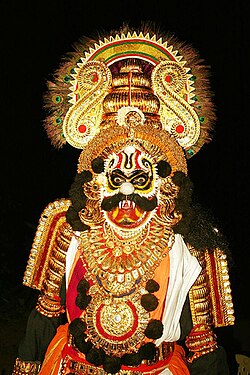
Religiously, the population is predominantly Hindu (78.87%), followed by Islam (13.90%) and Christianity (5.61%). This diversity is reflected in the city's vibrant arts scene, which includes traditional performances like Yakshagana, a theatre art from coastal Karnataka.
Economy and Infrastructure
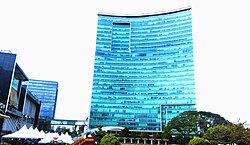
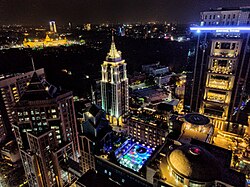
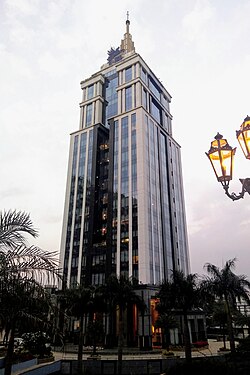
The economy of Bengaluru is driven by its massive technology sector, centered in districts like UB City, the main Central Business District.
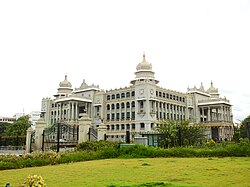
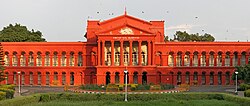
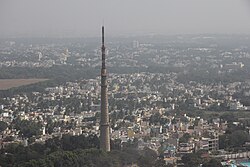
The city's infrastructure has expanded rapidly to support its growth. Key landmarks include the Vidhana Soudha, which houses state ministries, and the Karnataka High Court, the state's highest judicial body.
Transport and Connectivity
Bengaluru is served by a comprehensive transport network:
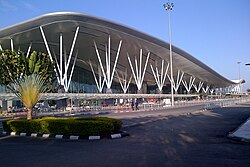
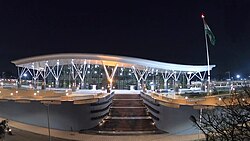
- Air: Kempegowda International Airport at Devanahalli.
- Rail: SMVT railway station at Baiyappanahalli and a wide network of regional lines.
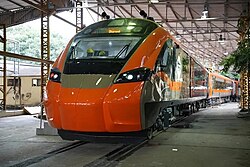
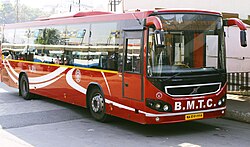
- Urban Transit: Namma Metro and the BMTC bus service, which introduced air-conditioned buses in 2005.
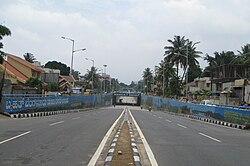
- Roads: The Outer Ring Road serves as a vital peripheral artery for the city.

Public Services and Education
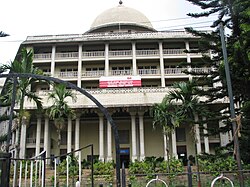
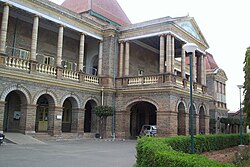
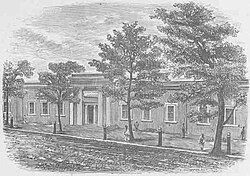
The city boasts long-standing institutions, such as the Bengaluru General Post Office (est. 1800) and Victoria Hospital (est. 1900). Education is a cornerstone of the city, with English schools established as early as 1869 by the London mission.
Parks, Recreation, and Sports
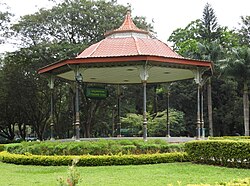
Maintaining its "Garden City" legacy, Bengaluru features large green spaces like Cubbon Park, established in 1870 in the city center.
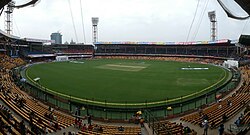
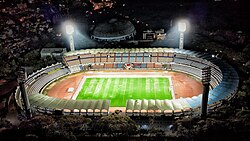
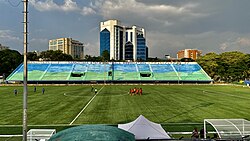
The city is also a major sports hub, hosting various professional teams across multiple leagues. The Chinnaswamy Stadium is world-renowned for cricket, while the Sree Kanteerava Stadium and Bangalore Football Stadium support the city's passion for football.
| Category | Detail |
|---|---|
| Founder | Kempe Gowda I (1537) |
| Metropolis Area | 741 km² |
| Elevation | 920 m |
| Primary Water Source | Kaveri River |
| Major Hubs | UB City, Bagmane Tech Park, Infosys Pyramid |
| Key Transit | Namma Metro, Kempegowda Intl Airport |
Frequently Asked Questions
Who founded the city of Bengaluru?
Bengaluru was founded in 1537 by Kempe Gowda I, who originally established it as a mud fort.
Why is Bengaluru called the Silicon Valley of India?
It earned this nickname due to its status as the nation's leading hub for Information Technology (IT) and high-tech innovation.
What is the primary language spoken in Bengaluru?
The official language is Kannada, though the city is linguistically diverse with significant populations speaking Tamil, Telugu, Urdu, and Hindi.
Where does Bengaluru get most of its water?
The city draws the majority of its water requirements from the Kaveri River.
What are some of the city's most famous landmarks?
Prominent landmarks include the Vidhana Soudha, Bengaluru Palace, Cubbon Park, and the UB City business district.