MyPyramid Nutrition and Activity Guidelines
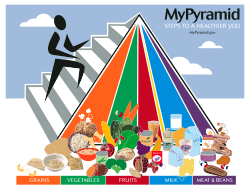
The MyPyramid model serves as a visual framework designed to help individuals balance their daily nutritional intake with physical movement. Unlike traditional food charts, this system integrates both diet and exercise to promote overall health, psychological well-being, and the maintenance of a healthy body weight.
Key Facts
- The model consists of eight distinct divisions, including six food groups and physical activity.
- Adults are encouraged to engage in at least 30 minutes of physical activity on most days.
- Children and teenagers should aim for at least 60 minutes of daily activity.
- Whole grains should make up at least half of all grain consumption.
- Discretionary calories are limited to the narrow tip of the pyramid's colored bands.
The Role of Physical Activity
Physical activity is represented by a person climbing steps on the pyramid, symbolizing the need for moderate activity every day in addition to usual routines. To achieve comprehensive physical fitness, the guidelines recommend a combination of cardiovascular conditioning (activities that increase heart rate), stretching for flexibility, and resistance exercises or calisthenics to build muscle strength and endurance.
While general recommendations suggest 30 minutes for adults and 60 minutes for youth, increasing the duration or intensity of these activities typically yields greater health benefits.
Nutritional Group Breakdowns
The pyramid divides food into six primary groups, each with specific recommendations to ensure a balanced diet.
Grains and Vegetables
Grains account for 27% of the recommended intake, with a strong emphasis on ensuring at least half of these are whole grains. Vegetables make up 23% of the diet, with a particular focus on orange vegetables, dark green vegetables, and dry peas and beans.
Fruits and Dairy
Fruits represent 15% of the recommended intake. The guidelines emphasize consuming a variety of fruits while deemphasizing the use of fruit juices. Dairy, which includes fluid milk and various milk-based products, accounts for 23% of the daily balance.
Proteins and Oils
Proteins make up 10% of the diet, with a preference for lean and low-fat meats such as fish, as well as seeds, nuts, peas, and beans. Oils represent the smallest food group at 2%, with recommendations focusing on sources derived from vegetables, nuts, and fish.
Managing Discretionary Calories
At the narrow tip of each colored band are discretionary calories. This category includes items that provide little nutritional value, such as alcohol, candy, or additional portions of food from any of the other six groups. These should be consumed in limited quantities to maintain a healthy balance.
Summary of MyPyramid Recommendations
| Category | Percentage/Requirement | Key Emphasis |
|---|---|---|
| Grains | 27% | At least 50% whole grains |
| Vegetables | 23% | Dark green, orange, beans, and peas |
| Dairy | 23% | Fluid milk and milk-based products |
| Fruits | 15% | Variety; limit fruit juices |
| Proteins | 10% | Lean meats, fish, nuts, and seeds |
| Oils | 2% | Vegetable, nut, and fish sources |
| Physical Activity | 30-60+ mins/day | Cardio, stretching, and resistance |
Frequently Asked Questions
How much physical activity is recommended for adults?
Adults should engage in at least 30 minutes of regular physical activity on most, and if possible, every day.
What are the recommendations for children's activity levels?
Children and teenagers are encouraged to engage in at least 60 minutes of physical activity each day.
What constitutes a "discretionary calorie"?
Discretionary calories include items like candy and alcohol, or any extra food consumed beyond the recommended amounts of the primary food groups.
Which types of vegetables are specifically emphasized?
The guidelines place a special emphasis on orange vegetables, dark green vegetables, and dry beans and peas.
What is the recommendation regarding grain types?
It is recommended that at least half of all grains consumed be whole grains.