MyPlate Nutritional Guidelines: Evolution, Critiques, and Alternatives
For years, the United States government has sought a visual way to communicate healthy eating habits to the general public. The introduction of MyPlate marked a significant shift in how nutritional advice is delivered, moving away from abstract diagrams toward a practical, visual representation of a meal. By focusing on a simple plate image, the program aimed to make dietary recommendations intuitive and easy to implement in daily life.
The Transition from MyPyramid to MyPlate
Before MyPlate, the government utilized the MyPyramid icon. However, MyPyramid was frequently criticized for being too abstract and confusing for the average person. Many individuals struggled to translate the pyramid's layout into actual daily meals, and the lack of specific details regarding recommended daily intake left the population confused.
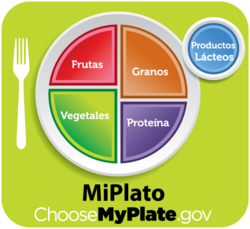
MyPlate was designed as a revised version to solve these issues. Its primary strength lies in its simplicity, specifically the clear emphasis on filling 50 percent of the plate with fruits and vegetables. This visual clarity made the guidelines far more understandable than its predecessor.
Critiques and Limitations of MyPlate
Despite its improved accessibility, MyPlate has faced several criticisms regarding its depth and comprehensiveness. While the general proportions are beneficial, the guidelines omit critical details such as recommended plate sizes, suggestions for snacks, and specific examples of healthy foods within each category.
Controversies Over Food Groups
Some critics argue that the protein and dairy sections are unnecessary. Opponents of the protein section suggest that Americans generally consume enough protein and that it can be sourced from other food groups. However, proponents argue that meat does not fit logically into any other category. Similarly, the dairy section has been viewed by some as dispensable.
Lack of Nuance and Marketing Issues
Another major critique is that the icon is too simplistic. By prioritizing ease of use, MyPlate misses opportunities to provide essential dietary advice, such as the distinction between healthy and unhealthy proteins or the difference between good and bad fats. Furthermore, Reason magazine reported in December 2022 that the program was poorly marketed, noting that fewer than three out of four polled Americans were even aware of the program.
The Harvard Healthy Eating Pyramid Alternative
In response to the perceived shortcomings of the USDA guidelines, the Harvard School of Public Health (HSPH) developed the Harvard Healthy Eating Pyramid. This version is designed to be more aligned with current scientific nutritional findings.
The Harvard model introduces several key changes:
- Vegetable-to-Fruit Ratio: It suggests a higher proportion of vegetables compared to fruits.
- Healthy Fats: It explicitly adds healthy oils to the recommendations.
- Balanced Macros: It balances healthy proteins and whole grains as equal quarters of the plate.
- Hydration: It recommends water and non-sugar beverages, whereas MyPlate emphasizes dairy without explicitly encouraging water.
- Physical Activity: Unlike MyPlate, the Harvard guidelines include a recommendation for regular exercise.
Walter Willett, Chair of the Department of Nutrition at HSPH, criticized MyPlate for mixing science with the influence of powerful agricultural interests. The Harvard approach provides a more exact protocol, tailoring the consumption of fats and grains to an individual's specific weight and workout routine.
The Influence of Agricultural Interests
The debate over nutritional guidelines often extends beyond science into politics and economics. Marion Nestle, former chair of the Department of Nutrition, Food Studies, and Public Health at New York University, has highlighted the financial stakes involved in these recommendations. Drawing from her experience as an expert for the USDA and the U.S. Department of Health and Human Services, Nestle stated that she was explicitly told that the guidelines could never say "eat less meat" because the USDA would not allow it.
Key Facts
- MyPlate replaced the MyPyramid icon to provide a simpler, less abstract visual for healthy eating.
- The MyPlate model emphasizes that 50% of the plate should consist of fruits and vegetables.
- Critics argue MyPlate lacks guidance on plate size, snacks, and the quality of fats/proteins.
- The Harvard Healthy Eating Pyramid suggests a higher ratio of vegetables to fruits and includes healthy oils.
- Harvard's guidelines explicitly promote water and physical activity, which are absent or minimized in MyPlate.
- Industry influence, particularly from agricultural interests, has been cited as a factor in the wording of USDA guidelines.
| Feature | MyPlate (USDA) | Harvard Healthy Eating Pyramid |
|---|---|---|
| Primary Visual | Simplified Plate | Detailed Pyramid/Plate |
| Fruit/Veg Balance | 50% combined | Higher ratio of vegetables to fruits |
| Fats/Oils | Not explicitly detailed | Includes healthy oils |
| Beverage Focus | Dairy/Milk | Water and non-sugar beverages |
| Exercise | Not emphasized | Included as a recommendation |
| Customization | General guidelines | Based on weight and workout routine |
Frequently Asked Questions
Why was MyPlate created to replace MyPyramid?
MyPlate was created because MyPyramid was considered too abstract and confusing. MyPlate provides a simpler visual that makes it easier for people to understand how to proportion their meals.
What are the main criticisms of the MyPlate guidelines?
Critics argue that MyPlate is too simple, failing to provide guidance on plate sizes, healthy snack options, and the distinction between healthy and unhealthy fats and proteins.
How does the Harvard Healthy Eating Pyramid differ from MyPlate?
The Harvard version emphasizes a higher ratio of vegetables over fruits, includes healthy oils, recommends water over dairy, and incorporates physical activity into its nutritional framework.
Does MyPlate recommend drinking water?
MyPlate recommends the consumption of dairy or milk but does not explicitly encourage the consumption of water, a gap that the Harvard Medical School guidelines specifically address.
Is there political influence in U.S. dietary guidelines?
Yes, experts like Marion Nestle have indicated that agricultural interests influence the guidelines, noting that the USDA previously blocked recommendations to "eat less meat."