Musicians: Roles, Specializations, and the Art of Music Creation
At its core, a musician is an individual who composes, conducts, or performs music. While the term is broad, the United States Employment Service defines it as a general designation for anyone who pursues music as a profession. Whether they are crafting a symphony, leading an orchestra, or singing for a crowd, musicians translate creative vision into audible art.
The output of a musician is rarely accidental; it is shaped by a complex blend of cultural background, formal education, personal life experiences, technical skill sets, and individual creative preferences. While some musicians specialize in a single musical genre, many navigate multiple styles, often blending or crossing genres to create unique sounds.
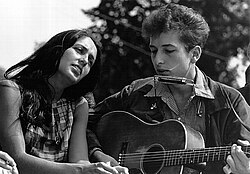
Key Facts
- Broad Definition: Musicians include anyone who professionally composes, conducts, or performs music.
- Performance Types: Performers are generally categorized as vocalists (singers) or instrumentalists.
- Composition: Composers typically focus on art music, classical music, or media scores, while songwriters focus on popular songs.
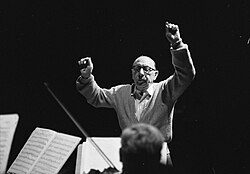
- Leadership: Conductors use gestures and eye contact to direct ensembles like choirs or orchestras.
- Recording: A musician who releases recorded music is known as a recording artist.
The Diverse Roles of Musicians
The world of music is divided into several primary roles, each requiring a distinct set of skills and responsibilities. While one person may inhabit multiple roles, these categories define the primary function of the musician within a production.
Composers and Songwriters
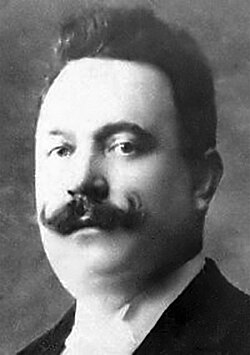
A composer is a musician who creates original musical compositions. This title is most frequently applied to those writing classical music or scores for media, such as films, video games, and theatrical stage productions. In contrast, those who write the music for popular songs are typically called songwriters, while those who focus specifically on the words are known as lyricists.
Conductors
Conducting is the art of directing the simultaneous performance of several singers or players through the use of gesture. A conductor stands on a raised podium, using hand movements and eye contact to provide live direction and synchronization for an ensemble, such as a choral group or an orchestra.
Performers
Performers are the musicians who bring a piece of music to life for an audience. They generally fall into two categories: vocalists, who provide the singing, and instrumentalists, who play musical instruments. Performers may work as solo artists or as part of a larger group, such as a pop band, a choir, or a full orchestra.
Music Producers
While a music producer may not always be a musician themselves, many are. The producer is responsible for shaping the overall sound of a song or album. They oversee the recording process and guide the creative direction, collaborating closely with sound engineers, artists, and other industry professionals.
Summary of Musical Roles
| Role | Primary Responsibility | Common Examples |
|---|---|---|
| Composer | Creating original musical works | Classical composers, Film scorers |
| Songwriter | Writing music and lyrics for songs | Pop artists, Lyricists |
| Conductor | Directing ensemble performances | Orchestra leaders, Choral directors |
| Performer | Executing music for an audience | Vocalists, Instrumentalists |
| Producer | Overseeing recording and creative direction | Studio producers |
Frequently Asked Questions
What is the difference between a composer and a songwriter?
A composer generally writes classical music or scores for media like films and games, whereas a songwriter specifically writes the music and lyrics for popular songs.
What does a conductor actually do during a performance?
A conductor uses hand gestures and eye contact from a raised podium to direct the timing and performance of an ensemble, ensuring that multiple players or singers perform in synchronization.
Can a person be both a musician and a producer?
Yes. While a music producer's primary role is to oversee the recording process and creative direction, many producers are also musicians themselves.
What is a recording artist?
A recording artist is a musician or group that records their music and releases it for public consumption.
What is the difference between a vocalist and an instrumentalist?
A vocalist is a performer who uses their voice to provide vocals, while an instrumentalist is a performer who plays a musical instrument.