José Cura: The Multifaceted Maestro of Modern Opera
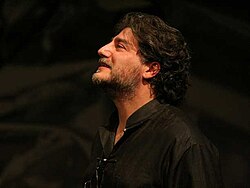
José Luis Victor Cura Gómez, known professionally as José Cura, is a powerhouse of the classical music world. Born in Rosario, Argentina, Cura has evolved from a world-renowned tenor into a comprehensive artist whose talents span singing, conducting, directing, scenography, and photography. Since beginning his professional journey in 1992, he has become one of the most versatile figures in contemporary opera.
Cura's formal education provided a rigorous foundation for his diverse career, having studied at the Escuela Superior de Música at the Universidad Nacional de Rosario and the Instituto Superior de Arte at the Teatro Colón.
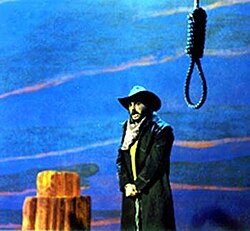
Key Facts
- Full Name: José Luis Victor Cura Gómez.
- Origin: Rosario, Argentina.
- Primary Roles: Singer, conductor, director, scenographer, and photographer.
- Major Breakthrough: Won 1st Prize at Plácido Domingo's Operalia International Opera Competition in 1994.
- Notable Venues: La Scala (Milan), Royal Opera House (London), Metropolitan Opera (New York), and Arena di Verona.
- Academic Honors: Professor Honoris Causae from Universidad C.A.E.C.E, Argentina.
The Rise of a Tenor: Early Career and Global Debut
José Cura's ascent in the opera world was rapid. After his success at the Operalia competition, he made a significant impact in the United States, debuting in Chicago as Loris Ipanov in Giordano's Fedora alongside Mirella Freni. This role became a staple of his early repertoire, leading to performances in Trieste, London, Vienna, Tokyo, Zurich, and Lecce between 1995 and 1998.
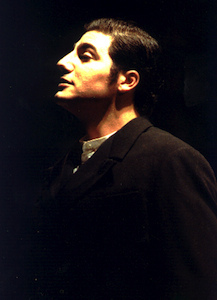
Conquering La Scala and the Verdi Repertoire
In January 1997, Cura reached a career milestone with his debut at Milan's La Scala, starring as Enzo in Ponchielli's La Gioconda. His relationship with the prestigious house grew under the baton of Riccardo Muti, with whom he performed as Des Grieux in Puccini's Manon Lescaut (1998) and in La Forza del Destino (1999).
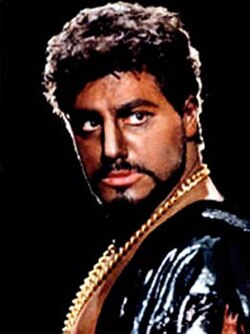
Global Stardom and Artistic Expansion (2000–2010)
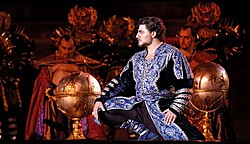
The turn of the millennium saw Cura solidify his reputation as a leading interpreter of Verdi and Puccini. In 2002, he starred as Manrico in Il Trovatore at the Royal Opera House (ROH) and performed the role of Otello in Zurich and Warsaw. His reach extended beyond opera houses to massive outdoor venues, including a performance at Hyde Park in London for an estimated 40,000 people.
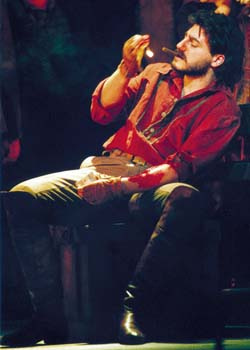
Between 2005 and 2006, Cura's schedule was relentless. He performed Samson et Dalila at the Metropolitan Opera in New York and portrayed Radames in Zeffirelli's Aida at the Arena di Verona. He also tackled the role of Dick Johnson in La fanciulla del west at the ROH and Roberto in Puccini's early work, Le Villi, in Vienna.
Beyond the Voice: Conducting, Directing, and Art
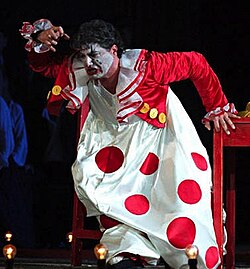
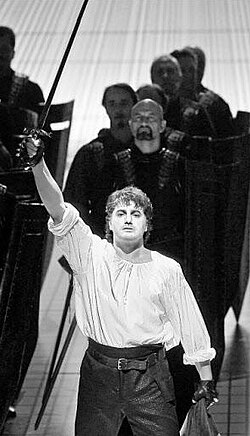
Cura is rare among opera stars for his transition into the technical and creative leadership of productions. In 2007, he premiered La Commedia è finita, a show he designed and directed while also singing the lead role of Canio. This marked his official entry into scenography (the design of theatrical sets) and directing.
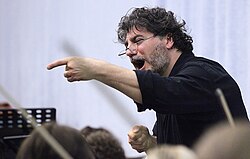
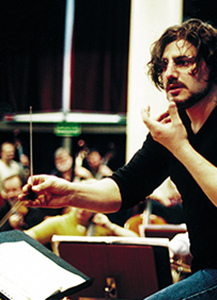
His directorial and conducting work continued with productions of Samson et Dalila in Karlsruhe (2010), La Rondine at the Opéra national de Lorraine, and Cavalleria Rusticana and Pagliacci at the Opéra Royal de Wallonie in 2012.
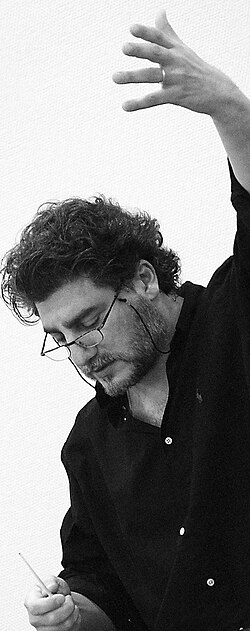
In addition to music, Cura is an accomplished photographer. In 2008, he published his first photography book, Espontáneas, and held an exhibition at the Tuscan Sun Festival in Cortona, Italy.
Career Summary and Achievements
| Category | Details |
|---|---|
| Primary Education | Universidad Nacional de Rosario & Teatro Colón |
| Key Awards | Operalia 1st Prize (1994), ECHO Singer of the Year (1999), Österreichischer Kammersänger (2010) |
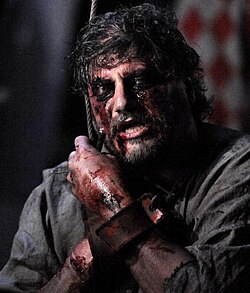
| Signature Roles | Otello, Manrico, Canio, Samson, Dick Johnson |
| Artistic Pursuits | Conducting, Directing, Scenography, Photography |
| Philanthropy | Patron of New Devon Opera |
Frequently Asked Questions
What is José Cura's primary vocal range?
José Cura is a tenor, specifically known for his powerful interpretations of dramatic roles in the works of Verdi and Puccini.
When did José Cura begin directing and designing opera?
His career as a director and scenographer began in 2007 with the premiere of La Commedia è finita, in which he also sang the lead role.
Has José Cura worked as a conductor?
Yes, he has conducted several works, including Bach's Mass in B minor and productions such as La Rondine at the Opéra national de Lorraine.
What other artistic talents does José Cura possess?
Beyond music and theater, José Cura is a photographer who has published a book titled Espontáneas and held public exhibitions of his work.
Which major international competitions did he win?
He won the 1st Prize at Plácido Domingo's Operalia International Opera Competition in 1994, which helped launch his international career.