Mount Fiske and the Evolution Group of the Sierra Nevada
Deep within the rugged terrain of the Sierra Nevada lies a unique cluster of peaks known as the Evolution Group. Named for their connection to the history of biological science, these mountains serve as a permanent monument to the thinkers who shaped our understanding of the natural world.
The Origins of the Evolution Group
In 1895, Theodore S. Solomons, an explorer with the Sierra Club, designated a group of six mountains in the Sierra Nevada to honor the primary exponents of Darwin's theory of evolution. This thematic naming convention creates a geographical tribute to the intellectual pioneers of evolutionary biology.
Among these peaks is Mount Fiske, named in commemoration of John Fiske (1842–1901), a prominent American historian and philosopher.
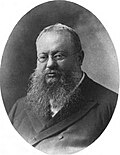
The Six Evolutionary Peaks
While Mount Fiske honors the philosophical side of the era, the other five peaks in the group are named after the scientists and theorists who drove the evolutionary discourse:
- Charles Darwin
- Ernst Haeckel
- Alfred Russel Wallace
- Herbert Spencer
- Thomas Henry Huxley
Climbing History and First Ascents
The conquest of Mount Fiske's summit occurred in stages, with different routes being established by members of the Sierra Club over several decades.
The first successful ascent of the summit took place on August 10, 1922. The party consisted of Sierra Club member Charles Norman Fiske, his sons John Norman Fiske and Stephen Burlingame Fiske, and fellow member Frederick Kellett. This initial climb was achieved via the southeast ridge.
Years later, on August 18, 1939, Jack Sturgeon of the Sierra Club completed the first ascent via the Southwest Ridge. This route is categorized as Class 2, a technical climbing grade indicating that the terrain is steep and may require the use of hands for balance, but does not typically require specialized rope equipment.
Key Facts
- Named by: Theodore S. Solomons in 1895.
- Group Name: The Evolution Group.
- Honoree: John Fiske, an American philosopher and historian.
- First Summit Date: August 10, 1922.
- First Ascent Route: Southeast ridge.
- Southwest Ridge First Ascent: August 18, 1939, by Jack Sturgeon.
| Category | Details |
|---|---|
| Location | Sierra Nevada |
| Naming Theme | Exponents of Darwin's theory of evolution |
| Total Peaks in Group | 6 |
| Primary Climbing Organization | Sierra Club |
Frequently Asked Questions
Who is the Evolution Group named after?
The group is named after six key figures associated with the theory of evolution: Charles Darwin, Ernst Haeckel, Alfred Russel Wallace, Herbert Spencer, Thomas Henry Huxley, and John Fiske.
Who was John Fiske?
John Fiske (1842–1901) was an American philosopher and historian whose work is commemorated by the naming of Mount Fiske.
When was Mount Fiske first climbed?
The first ascent occurred on August 10, 1922, via the southeast ridge.
Who were the first people to reach the summit?
The first ascent was made by Charles Norman Fiske, his sons John Norman Fiske and Stephen Burlingame Fiske, and Frederick Kellett.
What is the difficulty of the Southwest Ridge?
The Southwest Ridge is classified as a Class 2 route, meaning it is steep and may require occasional use of hands for stability.