Montezuma Cypress: History, Cultural Significance, and Traditional Uses
The Montezuma cypress, known in Mexico as the āhuēhuētl, is a majestic tree with a legacy stretching back to Pre-Columbian times. Valued for its grandeur and resilience, it has served as a symbol of authority, a cornerstone of ancient agriculture, and a source of traditional medicine for centuries.
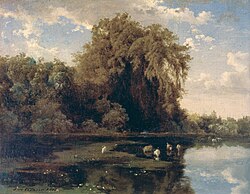
In the heart of ancient Mexico, the Aztecs integrated these trees into their urban and spiritual landscapes. They planted them along processional paths in the gardens of Chapultepec, where the tree became closely associated with government and power.
Agricultural and Urban Integration
Beyond its ornamental value, the Montezuma cypress played a critical role in the unique agricultural systems of the Valley of Mexico. The Aztecs developed chinampas—artificial islands created by adding soil to rectangular areas in shallow lakes. These plots were enclosed and stabilized by trees like the āhuēhuētl to prevent erosion.
Additionally, these trees were used to line the region's extensive canal systems prior to the Spanish conquest, providing structural support and shade to the waterways.
Traditional and Modern Applications
The utility of the Montezuma cypress extends from its physical timber to its chemical properties. In construction, the wood is prized for its strength and is commonly used to create furniture and house beams.
Medicinal Uses
The Aztecs utilized various parts of the tree for healthcare. The resin was applied to treat skin diseases, ulcers, wounds, toothaches, and gout. Other preparations included:
- Bark decoction: Used as a diuretic (a substance that promotes urine production) and an emmenagogue (an agent that stimulates menstrual flow).
- Wood pitch: Employed as a remedy for bronchitis.
- Foliage: Used as a relaxant and to alleviate itching.
Cultural and Artistic Value
Today, the Montezuma cypress remains a staple in Mexican parks and gardens. In some regions, the foliage is still used to decorate church altars during religious ceremonies. Its aesthetic appeal has also reached the world of high art; bonsai master John Naka donated his first-ever bonsai, a Montezuma cypress, to the National Bonsai and Penjing Museum of the United States.
The tree's adaptability is further evidenced by the linear grove at the Getty Center Art Museum, which has thrived in the main courtyard since 1995.
Key Facts
- Ancient Name: Known as āhuēhuētl by the Aztecs.
- Agricultural Role: Used to stabilize chinampas (artificial islands) and line canals.
- Construction: Wood is used for furniture and structural house beams.
- Medicinal Parts: Resin (skin/teeth), bark (diuretic), pitch (bronchitis), and leaves (relaxant).
- Notable Locations: Chapultepec gardens, Getty Center Art Museum, and the National Bonsai and Penjing Museum.
| Category | Application | Specific Use |
|---|---|---|
| Agriculture | Chinampas | Enclosing and stabilizing artificial islands |
| Construction | Timber | House beams and furniture |
| Medicine | Resin/Pitch/Bark | Gout, bronchitis, and skin diseases |
| Ornamental | Landscaping | Parks, gardens, and bonsai art |
Frequently Asked Questions
What are chinampas and how did the Montezuma cypress help?
Chinampas were artificial islands built in the shallow lakes of the Valley of Mexico. The Montezuma cypress was planted around the edges of these rectangular plots to provide structural stability and prevent the soil from washing away.
How did the Aztecs use the Montezuma cypress medicinally?
The Aztecs used the tree's resin for wounds and toothaches, a bark decoction as a diuretic, and pitch from the wood to treat bronchitis. The leaves were used to reduce itching and as a relaxant.
Where can the Montezuma cypress be seen in modern art or museums?
A Montezuma cypress bonsai, the first created by master John Naka, is housed in the National Bonsai and Penjing Museum of the United States. Additionally, a grove exists in the main courtyard of the Getty Center Art Museum.
What is the cultural significance of the tree in Mexico?
Historically, it was associated with government and planted along processional paths in Chapultepec. Today, it is frequently used in parks and as a decoration for church altars during religious ceremonies.