Herbal Medicine: From Ancient Traditions to Modern Pharmacology
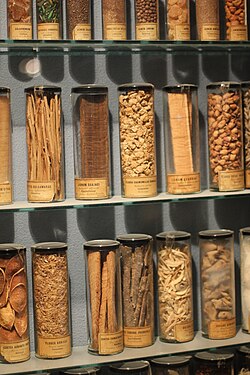
Herbal medicine, also known as herbalism, phytomedicine, or phytotherapy, is the study of pharmacognosy—the science of medicinal drugs derived from plants or other natural sources. For millennia, medicinal plants have served as the foundation of traditional medicine systems across the globe. While modern science continues to research the safety and efficacy of these treatments, the influence of herbalism on contemporary pharmacology is profound.
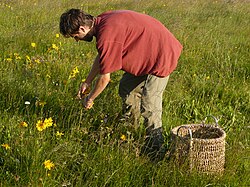
At its core, herbalism relies on the belief that plants produce beneficial phytochemicals—naturally occurring chemical compounds—as defenses against environmental stressors. These compounds, often extracted from roots or leaves, are utilized for their potential therapeutic properties.
Key Facts
- Herbal medicine has been documented since at least the Paleolithic era.
- The scope of herbalism can include plants, fungi, bee products, minerals, and certain animal parts.
- Many modern drugs are derived from plant-based compounds.
- Scientific evidence for the effectiveness of many herbal treatments is still being evaluated.
- Regulatory bodies like the FDA monitor herbal products to prevent illegal medical claims.
The Deep History of Herbalism
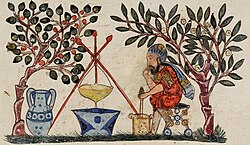
The use of plants for healing is one of humanity's oldest practices. Archaeological evidence from the Bronze Age in China, specifically the Shang dynasty (c. 1600–c. 1046 BCE), shows that seeds were likely used for herbal purposes. Ancient Chinese medical texts, such as the Huangdi Neijing, mention hundreds of herbal compounds.
In ancient India, traditional medicine often prioritized diet as a primary treatment. Similarly, the Mediterranean world benefited from the work of Pedanius Dioscorides, a Greek physician and botanist. His seminal work, De Materia Medica (c. 40–90 CE), served as a standard reference for herbal knowledge for over 1,500 years.
Global Traditions and Modern Use
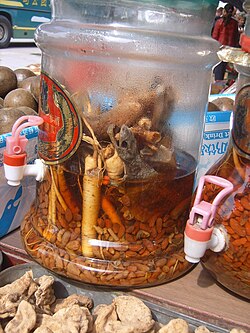
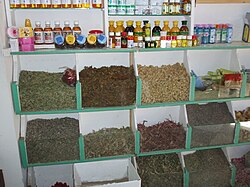
Today, herbal medicine remains widely used, particularly in Asia and Africa. These traditional systems are often deeply embedded in local cultures and spiritual practices, utilizing local flora and fauna to maintain health.
Regional Variations
- Asia: China and India possess long-standing traditions of herbology and Ayurveda.
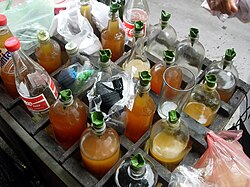
- Indonesia: The practice of jamu represents a unique Indonesian tradition of herbal healing.
- Africa and the Americas: Diverse local herbs and animal products form the basis of various traditional healing systems.
Herbal Preparations and Methods
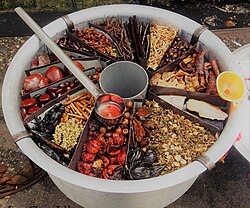
Herbal substances can be administered in various forms. Some methods include:
- Inhalation: Used in practices such as aromatherapy.
- Distillation: A process used to gather essential oils from plant material.
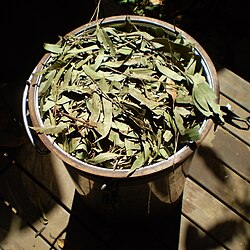
- Maceration: Soaking plant material in liquid to extract active components.
Safety, Regulation, and Scientific Criticism
While many herbal products have contributed to modern medicine, the field faces significant challenges regarding safety and labeling accuracy. Because standards for purity and dosage are not always universally provided, regulatory evaluation is ongoing.
One critical distinction is made between herbal medicine and paraherbalism. Paraherbalism refers to the pseudoscientific use of plant or animal extracts based on unproven beliefs about their safety and effectiveness, often involving minimally processed substances.
In the United States, the Food and Drug Administration (FDA) has issued numerous warning letters to companies marketing herbal products illegally. Between 2017 and 2021, many companies were cited for claiming their products could diagnose, cure, or prevent diseases without sufficient evidence. This was particularly prevalent during the COVID-19 pandemic, where several hundred companies were warned for making false claims regarding the prevention or treatment of the virus.
![Datura stramonium has been used in Ayurveda for various treatments, but contains alkaloids, such as atropine and scopolamine, which may cause severe toxicity.[30]](/images/7b/fb/7bfb5dbb3162559cce21b43249e839d583f9e103ee0a6662c243f2aa93a74dd2.jpg)
Summary of Herbal Medicine Overview
| Term | Definition |
|---|---|
| Pharmacognosy | The study of medicinal drugs derived from natural sources. |
| Phytotherapy | The use of plant-derived medications to treat conditions. |
| Paraherbalism | The pseudoscientific use of natural extracts based on unproven beliefs. |
| Phytochemicals | Chemical compounds produced by plants, often used for medicinal purposes. |
Frequently Asked Questions
What is the difference between herbal medicine and paraherbalism?
Herbal medicine is the study and use of medicinal plants (phytotherapy) and is often linked to pharmacognosy. Paraherbalism is considered a pseudoscience, relying on unproven beliefs about the safety and effectiveness of minimally processed natural substances.
Are herbal medicines regulated like conventional drugs?
Regulation varies by country. In many regions, herbal products undergo ongoing regulatory evaluation for safety and efficacy. In the US, the FDA monitors products to ensure companies do not make illegal claims about curing or preventing diseases without evidence.
Can herbal medicines be toxic?
Yes. Some plants contain potent alkaloids that can cause severe toxicity if not used correctly. For example, Datura stramonium contains alkaloids like atropine and scopolamine which can be highly toxic.
How has herbal medicine influenced modern medicine?
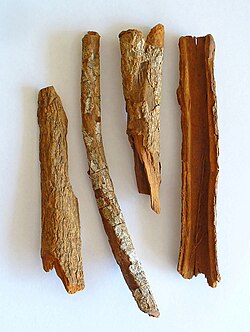
Many modern pharmacological treatments are derived from plant compounds. For instance, quinine, found in the bark of the cinchona tree, is a widely used treatment for malaria.
What are phytochemicals?
Phytochemicals are natural chemical compounds produced by plants. In the context of herbalism, these compounds are often the active ingredients extracted from roots, leaves, or other plant parts to provide therapeutic benefits.