The Complete Guide to Common Sage (Salvia officinalis)
Few herbs possess the timeless appeal and versatility of common sage. Known scientifically as Salvia officinalis, this aromatic plant has transitioned from the sacred gardens of ancient Rome to the modern kitchen, remaining a staple for both its distinct flavor and its historical reputation for healing. Whether grown as a decorative garden shrub or used to season a holiday roast, sage is a powerhouse of botanical interest.
What is Common Sage?
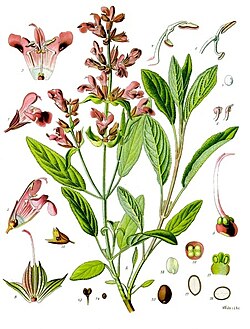
Common sage is a perennial, evergreen subshrub—a woody plant that is smaller than a typical shrub. A member of the Lamiaceae (mint) family, it is characterized by its woody stems, grayish-green leaves, and flowers that range in color from blue to purplish. While it is native to the Mediterranean region, it has become naturalized in many parts of the world.
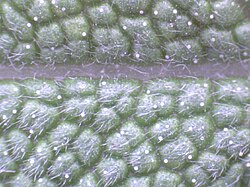
The plant's foliage is particularly distinctive. The leaves are oblong, reaching up to 65 mm in length and 25 mm in width. They are rugose (wrinkled) on the upper side and nearly white underneath, a result of numerous short, soft hairs. These hairs, or trichomes, contribute to the plant's unique texture and the specific grayish-green hue that has given its name to the color "sage."
Taxonomy and the Meaning Behind the Name
The scientific classification of Salvia officinalis was established by Carl Linnaeus in 1753. It serves as the type species for the genus Salvia. The specific epithet, officinalis, is a term used in botany to describe plants with a well-established history in culinary use or folk medicine. This refers to the officina, the traditional storeroom of a monastery where medicinal herbs were kept for treatment.
Over the centuries, the plant has been known by many common names, including garden sage, kitchen sage, culinary sage, and Dalmatian sage. Because of its perceived value, it was sometimes referred to in the Middle Ages as S. salvatrix, or "sage the savior."
Growing and Cultivating Sage
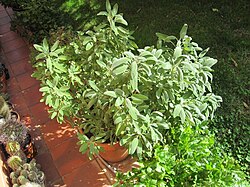
In a garden setting, Salvia officinalis can grow to a substantial size, sometimes covering a square meter or more. However, many modern cultivars are bred to be more compact, making them ideal as ornamental flowering shrubs or low ground cover in sunny, dry environments.
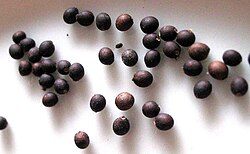
Sage is relatively hardy but can be susceptible to cold, wet winters, particularly in soils that are not well-drained. Gardeners typically propagate the plant using summer cuttings, though some varieties can be grown from seeds, which are small and almost spherical.
Popular Sage Cultivars
Depending on the desired use—whether for higher oil content or visual appeal—different cultivars are available:
- 'Berggarten': Features large leaves and rarely blooms, which extends the lifespan of the foliage.
- 'Extrakta': Specifically bred for leaves with higher concentrations of essential oils.
- 'Icterina': A variegated variety with yellow-green leaves (Award of Garden Merit recipient).
- 'Purpurascens' (or 'Purpurea'): Known for its striking purple foliage (Award of Garden Merit recipient).
- 'Tricolor': A decorative variety with white, purple, and green variegated leaves.
- 'Alba': Produces white flowers.
- 'Aurea': Known as golden sage.
- 'Lavandulaefolia': A cultivar with smaller leaves.
| Cultivar Name | Primary Characteristic | Best Use |
|---|---|---|
| 'Berggarten' | Large leaves, rare blooms | Culinary/Foliage |
| 'Extrakta' | High oil concentration | Essential Oil/Culinary |
| 'Icterina' | Yellow-green variegated leaves | Ornamental |
| 'Purpurascens' | Purple leaves | Ornamental |
| 'Tricolor' | White, purple, and green leaves | Ornamental |
A Rich History of Healing and Ritual
Since ancient times, sage has been prized for its perceived medicinal properties. The Romans regarded it as a "holy herb" and integrated it into religious rituals. Early scholars like Theophrastus, Pliny the Elder, Dioscorides, and Galen recommended sage for a variety of uses, including as a diuretic (to increase urine production), a styptic (to stop bleeding), and a general tonic.
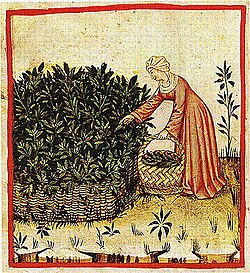
During the Middle Ages, sage was cultivated in monastery gardens under the recommendation of Emperor Charlemagne. It appeared in a wide array of historical remedies, from "Four Thieves Vinegar"—believed to ward off the plague during the 14th-century Black Death—to tooth powders made of sage and salt. In the 16th century, herbalist John Gerard claimed that sage could "quicken the senses and memory" and strengthen the sinews.
Culinary Applications Around the World
Sage is celebrated for its savory, slightly peppery flavor. In British tradition, it is one of the four essential herbs, alongside parsley, rosemary, and thyme. It is most famously used in the UK and US as a primary ingredient in sage and onion stuffing for roast turkey or chicken.
In European cuisines, sage is highly valued:
- Italy: An essential ingredient for saltimbocca and fish dishes; it is also enjoyed as salvia fritta (fried sage).
- Balkans and Middle East: Frequently used in traditional cookery.
- France: Interestingly, despite the prevalence of other herbs, sage never gained significant favor in French cuisine.
Modern Research and Safety Considerations
In recent years, S. officinalis has been the subject of preliminary research regarding its potential to improve cognitive performance in both healthy individuals and those experiencing cognitive decline. However, long-term effects are not yet fully determined.
It is important to note that sage essential oils contain $\alpha$ and $\beta$-thujone. Thujone is a neurotoxin that can cause severe intoxication in humans and convulsions in animals. Due to this, the European Medicines Agency and the European Committee on Herbal Medicinal Products recommend a daily limit of 6 mg for supplemental use.
Key Facts
- Scientific Name: Salvia officinalis.
- Family: Lamiaceae (Mint family).
- Origin: Native to the Mediterranean region.
- Appearance: Evergreen subshrub with grayish-green, wrinkled leaves and blue/purple flowers.
- Key Culinary Use: Traditional in stuffing, saltimbocca, and various European dishes.
- Safety Warning: Contains thujone; supplemental use should be limited to 6 mg per day.
Frequently Asked Questions
What does the name "officinalis" mean?
The term officinalis refers to plants that were traditionally kept in the officina, which was the storeroom of a monastery used for preparing medicinal treatments.
How is sage used in Italian cooking?
Sage is a fundamental ingredient in Italian cuisine, most notably in the dish saltimbocca. It is also frequently paired with fish or fried to create salvia fritta.
Is common sage the same as the sage used in stuffing?
Yes, Salvia officinalis is the "common sage" or "culinary sage" traditionally used in British and American sage and onion stuffing.
Are there any risks associated with sage essential oil?
Yes, sage essential oils contain $\alpha$ and $\beta$-thujone, which are neurotoxins. Excessive consumption can lead to intoxication or convulsions, leading health agencies to recommend a daily limit of 6 mg for supplements.
What are the best conditions for growing sage?
Sage thrives in sunny, dry environments with well-drained soil. It can be killed by cold, wet winters if the soil retains too much moisture.