Model Organisms in Biological and Medical Research
In the pursuit of understanding the complexities of life, scientists often rely on model organisms—non-human species extensively studied to uncover specific biological phenomena. The fundamental premise of this approach is that discoveries made in a model organism can provide critical insights into the workings of other organisms, including humans. This strategy is rooted in the common descent of all living things, which ensures the conservation of genetic material and metabolic and developmental pathways across evolution.
Model organisms are indispensable when human experimentation is unfeasible or unethical. By utilizing these species, researchers can investigate the mechanisms of disease and test potential treatments without risking human lives. This methodology has been a cornerstone of modern medicine, contributing to our basic knowledge of biochemistry and human physiology.
Key Facts
- Common Descent: The use of model organisms is possible because evolutionary conservation preserves similar biological pathways across different species.
- Medical Milestones: Research in animal models led to the development of insulin, antibiotics, the heart-lung machine, and the polio vaccine.
- Diverse Range: Models span from simple prokaryotes like E. coli to complex mammals like laboratory mice.
- Disease Simulation: Scientists can induce specific conditions (e.g., stroke or tumors) in models to study pathogenesis and test cures.
Historical Impact on Medicine
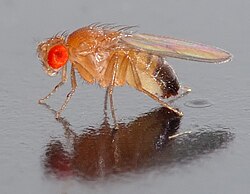
The transition of biology into an experimental science was greatly accelerated by the use of model organisms. Between 1910 and 1927, Thomas Hunt Morgan used the fruit fly, Drosophila melanogaster, to identify chromosomes as the vectors of inheritance for genes.
Beyond genetics, these models have driven life-saving medical breakthroughs. The production of the diphtheria antitoxin and the 1922 discovery of insulin for treating diabetes were made possible through such research. Furthermore, the development of modern general anesthetics, such as halothane, and the refinement of organ transplantation techniques relied heavily on animal studies.
Selecting the Right Model Organism
Choosing a model organism depends on the specific biological question being asked. Researchers look for species that react to diseases or treatments in ways that resemble human physiology. While care must be taken when generalizing results, these models provide a controlled environment to study complex systems.
Prokaryotic and Unicellular Models
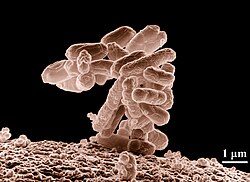
For studies on basic metabolism and bacterial genetics, prokaryotes—single-celled organisms lacking a nucleus—are used. Escherichia coli is the primary example of a gram-negative prokaryotic model.
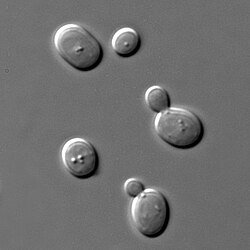
Eukaryotic unicellular organisms, such as Saccharomyces cerevisiae (brewer's yeast), are used to study molecular and cell biology in a more complex cellular environment.
Multicellular and Vertebrate Models
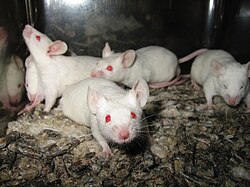
For complex organ systems and disease modeling, vertebrates are preferred. Laboratory mice (Mus musculus) are widely used due to their genetic similarity to humans, making them ideal for studying Alzheimer's disease, AIDS, and multiple sclerosis.
Disease Modeling Techniques
To study human ailments, researchers employ various methods to induce disease states in model organisms:
- Neurological Disorders: Using metrazol to model epilepsy, or occluding the middle cerebral artery to simulate ischemic stroke.
- Oncology: Using ionizing radiation, gene transfer, or tumor implantation to develop cancer treatments.
- Infectious Diseases: Infecting animals with specific pathogens to reproduce human infections, such as using Plasmodium yoelii for malaria.
- Genetic Selection: Utilizing genetically predisposed strains, such as NOD mice for diabetes research.
Summary of Common Model Organisms
| Model Organism | Common Name | Classification | Primary Usage |
|---|---|---|---|
| Escherichia coli | E. coli | Bacteria | Bacterial genetics, metabolism |
| Saccharomyces cerevisiae | Brewer's yeast | Yeast | Molecular and cell biology |
| Arabidopsis thaliana | Thale cress | Flowering plant | Population genetics |
| Caenorhabditis elegans | Roundworm | Nematode | Differentiation, development |
| Drosophila melanogaster | Fruit fly | Insect | Developmental biology, brain disease |
| Danio rerio | Zebrafish | Fish | Embryonic development |
| Mus musculus | House mouse | Mammal | Human disease models |
Frequently Asked Questions
Why are model organisms used instead of humans?
Model organisms are used when human experimentation would be unethical or unfeasible. They allow researchers to study the progression of a disease and test treatments in a controlled environment without risking human harm.
How do scientists choose which organism to use?
The choice depends on the research goal. Scientists select species that share similar genetic, metabolic, or physiological pathways with humans, or those that are easy to breed and genetically manipulate.
Can results from animal models always be applied to humans?
Not always. While conservation of biological pathways makes these models useful, researchers must be cautious when generalizing results because physiological differences between species can exist.
What are some examples of medical treatments derived from model research?
Many essential treatments were developed via model organisms, including antibiotics, the whooping cough vaccine, insulin for diabetes, and techniques for organ transplantation.