Minas Gerais: The Heart of Brazil's History and Economy
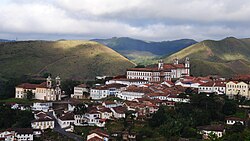
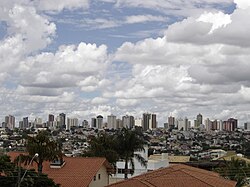
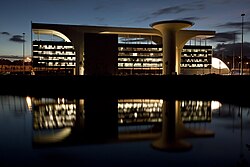
Located in the Southeast region of Brazil, Minas Gerais is a state defined by its rugged landscapes, rich mineral deposits, and a deep cultural heritage. Known as the land of the Mineiros (its inhabitants), the state serves as a vital economic engine for the country, blending a colonial past with a modern, industrial future. From the gold-rush streets of Ouro Preto to the bustling metropolis of Belo Horizonte, Minas Gerais is a study in contrast and resilience.
The state's identity is encapsulated in its motto, Libertas quæ sera tamen ("Freedom albeit late"), reflecting a history of struggle and a longing for autonomy that shaped the very foundation of the Brazilian nation.
Key Facts
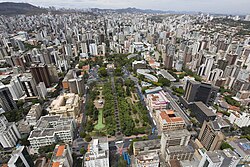
- Capital: Belo Horizonte (the largest city in the state).
- Population: Approximately 21,393,441 (2025 estimate), ranking it 2nd in Brazil.
- Area: 586,528.29 km², making it the 4th largest state by landmass.
- Economy: A powerhouse in mining, agriculture, and manufacturing with a GDP of R$ 971.98 billion.
- HDI: 0.809, categorized as very high.
History and Cultural Evolution
Prehistory and Indigenous Roots
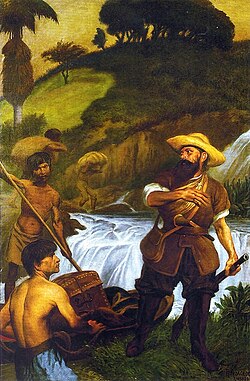
Long before European arrival, the region was inhabited by diverse indigenous peoples. Archaeological evidence, including rock paintings found in caves in Lagoa Santa, points to a rich prehistoric presence.
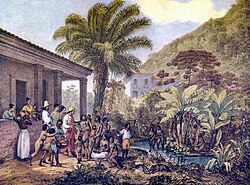
The Colonial Era and the Gold Rush
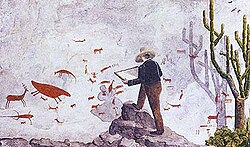
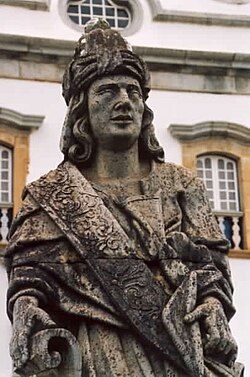
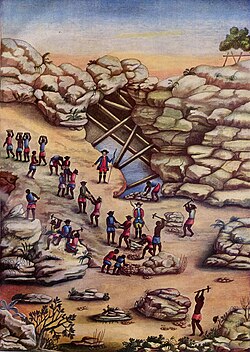
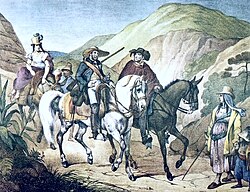
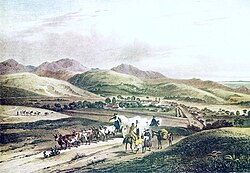
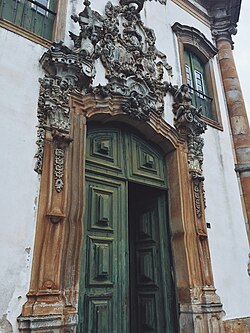
The colonial period was marked by the discovery of gold and precious stones, which triggered a massive migration and the establishment of colonial towns. This era gave birth to the Brazilian Baroque style, a lavish artistic movement characterized by intricate carvings and gold-leaf interiors, most notably seen in the works of the sculptor Aleijadinho.
Geography and Natural Wonders
Geological Diversity
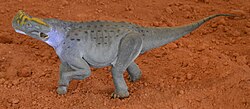
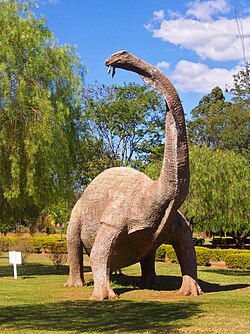
Minas Gerais is renowned for its complex geology. Beyond its mineral wealth, the state is a treasure trove for paleontology. The region has yielded significant dinosaur finds, including the Maxakalisaurus, a type of titanosaur.
Administrative Divisions
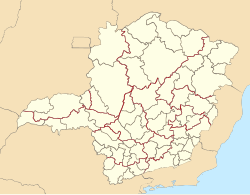
To manage its vast territory, the state is divided into 13 intermediate geographic regions, which are further subdivided into immediate geographic regions. This structure helps organize the diverse landscapes, from the highlands of the Serra da Canastra to the agricultural plains of the west.
Economic Powerhouse
Mining and Industry
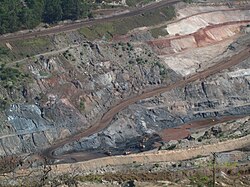
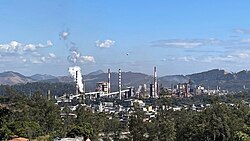
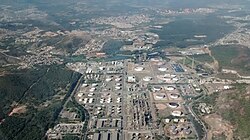
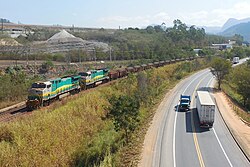
True to its name (which means "General Mines"), the state is a global leader in mining. It produces significant quantities of iron ore, gold, and niobium. This raw material feeds a massive industrial sector, including steel plants like Usiminas in Ipatinga and oil refineries in Betim.
Agriculture and Livestock
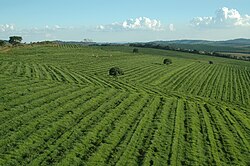
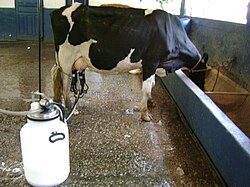
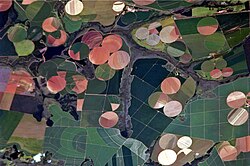
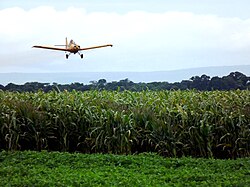
Minas Gerais is an agricultural giant. It is world-famous for its coffee production, particularly in regions like Santo Antonio do Amparo, and is a leading producer of corn, milk, and various fruits.
| Sector | Key Products/Activities | Notable Locations |
|---|---|---|
| Mining | Iron Ore, Gold, Niobium | Itabira, Timóteo |
| Agriculture | Coffee, Corn, Dairy | Western MG, Paracatu |
| Industry | Steel, Oil Refining, Automotive | Ipatinga, Betim |
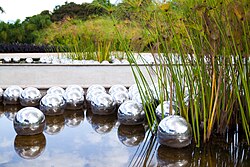
| Tourism | Colonial History, Art, Nature | Ouro Preto, Inhotim |
Culture and Lifestyle
Cuisine and Traditions
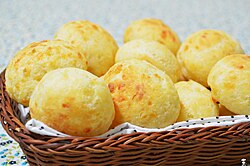
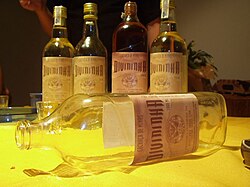
The culinary tradition of Minas Gerais is among the most beloved in Brazil. Pão de Queijo (cheese bread) is the state's most iconic snack, while Cachaça, a distilled sugarcane spirit, is produced by hundreds of artisanal brands across the region.
Modern Infrastructure and Education
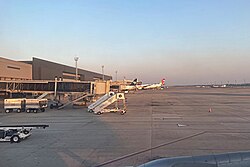
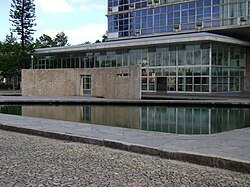
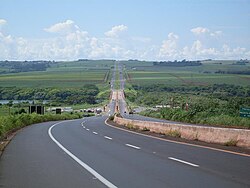
The state is well-connected via major highways like the BR-050 and the Confins International Airport. Education is a priority, with the Federal University of Minas Gerais (UFMG) standing as one of the premier academic institutions in the country.
Frequently Asked Questions
What is the significance of the name Minas Gerais?
The name translates to "General Mines," referring to the abundance of gold and other minerals discovered in the region during the colonial period.
Which is the largest city in the state?
Belo Horizonte is the capital and the largest city, serving as the primary administrative and economic hub.
What is the Brazilian Baroque style?
It is an artistic and architectural style from the colonial era, characterized by ornate decorations and dramatic forms, heavily influenced by the wealth of the gold rush and the work of artists like Aleijadinho.
What are the main agricultural products of the region?
Minas Gerais is a leading producer of coffee, milk, corn, and various fruits, contributing significantly to Brazil's food security and exports.
Are there any significant paleontological finds in Minas Gerais?
Yes, the state is famous for its dinosaur fossils, including the titanosaur Maxakalisaurus, with dedicated museums in cities like Uberaba.