Merchant Navy: The History and Evolution of Britain's Commercial Fleet
The Merchant Navy is the civilian fleet of the United Kingdom, its Overseas Territories, and the Channel Islands. Unlike the Royal Navy, which focuses on national defense, the Merchant Navy is primarily designed to create wealth for the crown, the country, and shipowners, while maintaining vital diplomatic relationships and supporting military efforts during times of conflict.
Historically, the British Merchant Navy was a global titan of trade. In 1939, it held a staggering 33% of the world's total shipping tonnage. While globalization and the rise of flags of convenience—the practice of registering a ship in a country other than that of its owners to reduce costs—have reduced its relative size, it remains a critical component of global logistics.

Key Facts

- Current Size: 1,054 ships (as of 2023).
- Primary Role: Commercial trade, wealth creation, and military support.
- Global Standing: 10th largest fleet globally, with 30 million gross tons.
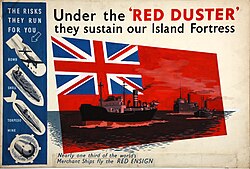
- Key Insignia: The Red Ensign.
- Commemorations: Merchant Navy Day (September 3), Battle of the Atlantic (May), and Trafalgar Day (October 21).
A Legacy of Trade and Empire
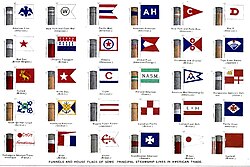
The roots of the Merchant Navy stretch back to the 17th century. Early efforts were made to register seafarers to ensure a labor pool for the Royal Navy during wars, though a successful registration system was not fully implemented until 1835. The fleet's growth was fueled by the expansion of the British Empire, particularly through lucrative trade routes in India and the Far East.
During the 19th century, the dominance of the fleet was cemented by the trade of spices, tea (carried by famous ships like the Cutty Sark), sugar, and opium. To support this growth, maritime education expanded. Institutions such as Leith Nautical College (1855), South Tyneside Marine and Technical College (1861), and the Southampton School of Navigation (1902) were established to train professional officers.
The Merchant Navy in Global Conflict
The Merchant Navy has consistently played a perilous role in wartime. During the First World War, German U-boat (submarine) campaigns resulted in the loss of approximately 7.7 million tons of shipping and the deaths of 14,661 seafarers. In recognition of this sacrifice, King George V officially granted the title "Merchant Navy" to the service.
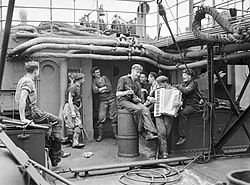
The Second World War brought even greater devastation. German U-boats sank nearly 14.7 million tons of Allied shipping. The UK alone lost 11.7 million tons—roughly 54% of its fleet at the start of the war. Despite the loss of 32,000 merchant seafarers on convoy vessels, the fleet successfully imported the supplies necessary for an Allied victory.
The service's military utility continued into the late 20th century. During the 1982 Falklands War, 40 vessels were deployed. This conflict saw the first loss of a British merchant ship to armed attack since WWII, when the SS Atlantic Conveyor was struck by an Exocet missile, killing Captain Ian North and 11 crew members.
Modern Fleet and Personnel
The transition from an imperial economy to a globalized one has seen a decline in UK-registered tonnage. By 2012, the Merchant Navy's share of global tonnage had dropped to 3%. However, the industry continues to operate a diverse fleet of cargo, passenger, and special purpose vessels.
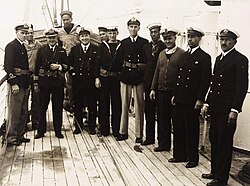
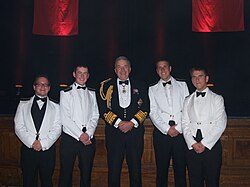
As of 2023, the workforce consists of 10,930 certificated officers, 10,180 ratings, and over 3,000 cadets and other officers. Training remains rigorous, with the City of Glasgow College's Riverside Campus serving as the UK's largest training center, utilizing a phased approach that blends classroom learning with time at sea.
Summary of Merchant Navy Statistics
| Metric | Value/Detail |
|---|---|
| Total Ships (2023) | 1,054 |
| Gross Tonnage | 30 million |
| Deadweight Tonnage | 40.7 million |
| Certificated Officers (2023) | 10,930 |
| Ratings (2023) | 10,180 |
Notable Figures and Honors
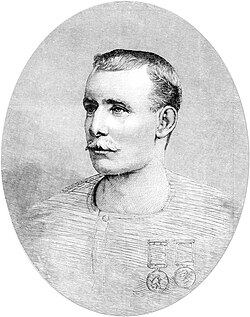
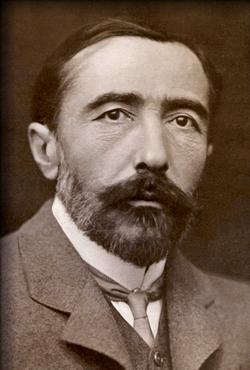
The Merchant Navy has been home to diverse talents, from explorers like James Cook to the novelist Joseph Conrad, who rose to the rank of Master in 1886. Other pioneers include Victoria Drummond, Britain's first woman ship's engineer, and Captain Matthew Webb, the first person to swim the English Channel without artificial aids.
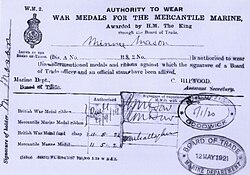
Bravery is recognized through various awards, including the Lloyd's War Medal for Bravery at Sea and the more recent Merchant Navy Medal for Meritorious Service, introduced by the UK Government in 2016.
Frequently Asked Questions
What is the difference between the Royal Navy and the Merchant Navy?
The Royal Navy is the military naval force of the UK focused on national defense, while the Merchant Navy is a civilian fleet focused on commercial trade and wealth creation, though it supports the military during wartime.
What is a "flag of convenience"?
A flag of convenience is when a ship owner registers their vessel in a country other than their own to take advantage of lower taxes, cheaper registration fees, or less stringent regulations.
How did the Merchant Navy contribute to the victory in WWII?
Despite suffering massive losses from U-boat attacks, the Merchant Navy operated convoys that successfully imported essential food, fuel, and military supplies, which were critical for the Allied victory.
What are the primary ranks in the Merchant Navy?
The hierarchy is divided into departments, including Deck Officers (led by the Master), Engineer Officers (led by the Chief Engineer), Electrical Technical Officers, and the Steward's Department.
Which flag does the Merchant Navy use?
The primary insignia of the British Merchant Navy is the Red Ensign.