Mediterranean Climate: Characteristics, Subtypes, and Global Distribution
A Mediterranean climate, often referred to as a dry summer climate, is a distinct temperate climate type characterized by a unique seasonal rhythm: hot, dry summers and mild, wet winters. Found typically in the lower mid-latitudes—generally between 30 and 45 degrees north and south—this climate type is defined by its predictable precipitation patterns and moderate temperatures.
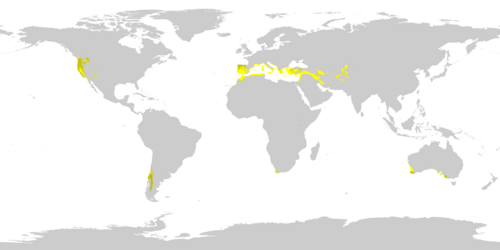
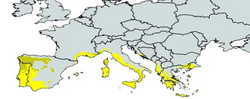
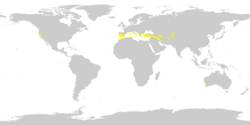
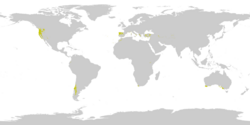
While the name is derived from the coastal regions surrounding the Mediterranean Sea, this climate is not exclusive to that area. It appears on the western portions of continents near oceanic influences, spanning from the Atlantic coasts of Iberia and Northwest Africa to the Pacific coasts of the United States and Chile, and reaching as far as parts of South Africa, Australia, and Central Asia.
Key Facts
- Primary Feature: Characterized by dry summers and wet winters.
- Latitude: Typically occurs between 30° and 45° north and south of the equator.
- Driving Force: Influenced by the seasonal migration of the subtropical ridge.
- Köppen Classification: Identified by the code Cs.
- Location: Primarily found on the western coasts of landmasses.
The Köppen Climate Classification System
To scientifically categorize these regions, climatologists use the Köppen climate classification. In this system, the Mediterranean climate is designated with the letter C, indicating a temperate zone where the average temperature of the coldest month is above 0 °C (or −3 °C depending on the specific threshold) but below 18 °C (64 °F). The letter s denotes the dry summer pattern.
A "dry summer" is specifically defined as a month within the high-sun period (April to September in the Northern Hemisphere; October to March in the Southern Hemisphere) that receives less than 30 mm (1.2 in) of precipitation, and where that amount is less than one-third of the precipitation received during the wettest winter month.
Subtypes of Mediterranean Climates
The classification is further refined by the intensity of summer heat, resulting in three distinct subtypes:
Hot-Summer Mediterranean Climate (Csa)
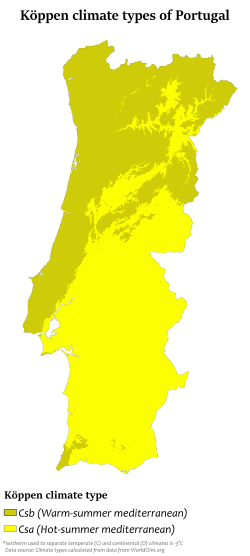
The Csa subtype is the most common and is often considered the "typical" Mediterranean climate. These regions experience hot, sometimes very hot, dry summers. The warmest month averages above 22 °C (72 °F), while winters remain mild or cool. Depending on the specific location, some Csa regions may even experience occasional snowfall.
Warm-Summer Mediterranean Climate (Csb)
The Csb subtype, or "cool-summer" Mediterranean climate, is less frequent. In these areas, summers are warm but not hot, with the warmest month averaging below 22 °C (72 °F). This cooler variation is often caused by higher elevations or closer proximity to cool ocean currents.
Cold-Summer Mediterranean Climate (Csc)
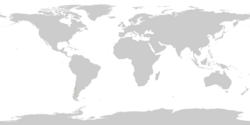
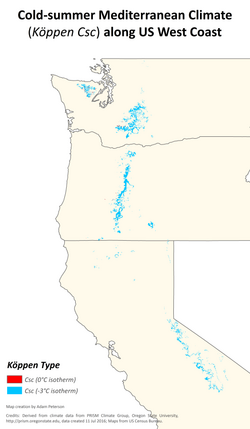
The Csc subtype is quite rare. It is found primarily in scattered high-elevation locations along the west coasts of North and South America. These regions feature cool, dry summers—with fewer than four months averaging above 10 °C (50 °F)—and cool, wet winters.
Geography and Natural Environment
The distribution of these climates is heavily influenced by the subtropical ridge. During the summer, this ridge extends toward the poles, bringing dry conditions; in the winter, it migrates toward the equator, allowing for more moisture. This movement, combined with proximity to the ocean and elevation, creates the diverse landscapes seen across the globe.
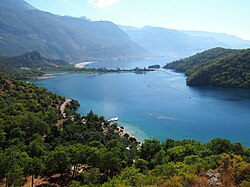
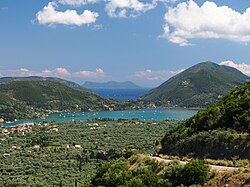
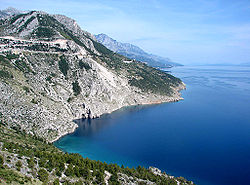
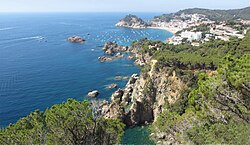
Natural Vegetation and Biomes
The Mediterranean biome supports a diverse array of flora adapted to seasonal drought. Common vegetation includes:
- Evergreen trees: Casuarina, melaleuca, pine, and cypress.
- Deciduous trees: Sycamore and various oak species.
- Fruit trees: Olive, figs, walnuts, and grapes.
- Sub-shrubs: Lavender, Halimium, grevillea, and sagebrush.
- Grasses and Herbs: Bunchgrasses, sedges, rushes, and herbs such as Achillea and sagebrush.
Climate Comparison Summary
| Subtype | Köppen Code | Summer Temperature | Common Characteristics |
|---|---|---|---|
| Hot-summer | Csa | Warmest month > 22 °C | Most common; hot, dry summers. |
| Warm-summer | Csb | Warmest month < 22 °C | Cooler summers; often due to elevation. |
| Cold-summer | Csc | Few months > 10 °C | Rare; high-elevation coastal areas. |
Frequently Asked Questions
What causes the dry summers in Mediterranean climates?
The dry summers are primarily caused by the seasonal movement of the subtropical ridge, which shifts toward the poles during the summer months, bringing stable, dry air to these regions.
Where can I find a Mediterranean climate?
They are found on the western coasts of continents between 30 and 45 degrees latitude. Examples include the Mediterranean Sea basin, parts of California, central Chile, South Africa, and southern Australia.
How does elevation affect this climate type?
Elevation can shift a region from a hot-summer (Csa) to a warm-summer (Csb) or even a cold-summer (Csc) climate by lowering the average temperatures during the summer months.
What is the difference between Csa and Csb climates?
The primary difference is the temperature of the warmest month: Csa regions have an average temperature above 22 °C (72 °F), while Csb regions stay below that threshold.
What kind of plants grow in these regions?
Vegetation is adapted to dry summers and includes evergreen trees like pine and cypress, fruit trees like olives and grapes, and drought-resistant shrubs like lavender.