Médecins Sans Frontières: A Global Legacy of Humanitarian Medical Aid
Médecins Sans Frontières (MSF), known in English as Doctors Without Borders, is a premier international non-governmental organisation dedicated to providing life-saving medical assistance to people affected by conflict, epidemics, disasters, or exclusion from healthcare. Founded on the principle of medical ethics and the right to humanitarian assistance, MSF operates worldwide, often in the most precarious environments where health infrastructure has collapsed.
The organisation was established on December 22, 1971, in Paris, France, by a group of doctors and journalists, including Bernard Kouchner. Their vision was to create an entity that could provide medical aid regardless of political, religious, or national boundaries, while maintaining the right to speak out about the suffering they witnessed—a practice known as témoignage (bearing witness).
Key Facts
- Founded: December 22, 1971, in Paris, France.
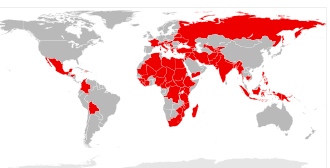
- Global Reach: Operates worldwide with headquarters in Geneva, Amsterdam, Barcelona-Athens, Brussels, Paris, and West and Central Africa.
- Financial Scale: Reported revenue of €2.6 billion and expenses of €2.5 billion in 2025.
- Workforce: Employs 49,771 staff members as of 2025.
- Major Recognition: Awarded the Nobel Peace Prize in 1999.
- Current Leadership: Led by International President Javid Abdelmoneim and CEO Tirana Hassan.
Operational History and Global Impact
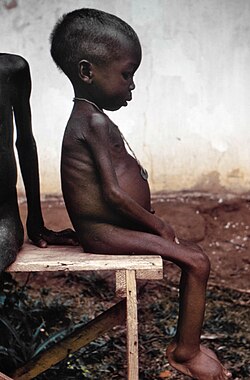
MSF's history is defined by its rapid response to some of the world's most severe crises. From its early days during the Nigerian Civil War in Biafra to its critical interventions during the Rwandan genocide, the organisation has consistently pushed the boundaries of humanitarian aid.
Sub-Saharan Africa
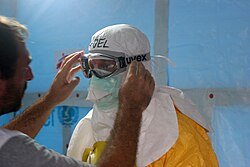
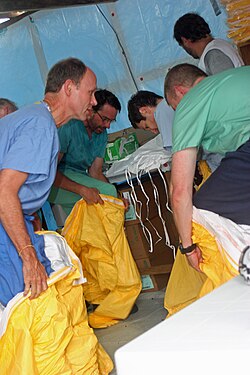
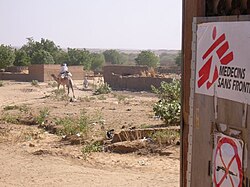
Africa remains a primary focus for MSF. The organisation has tackled Kala-azar (visceral leishmaniasis) and rebuilt healthcare infrastructure in Sudan. In the Democratic Republic of the Congo, Uganda, and Burundi, MSF provides essential care amidst instability. One of its most significant recent challenges was the West African Ebola outbreak, where MSF operated critical Ebola Treatment Units (ETUs) in collaboration with partners like the CDC.
Asia and the Middle East
Beyond Africa, MSF has conducted vital missions in Cambodia and Sri Lanka. In the Middle East and North Africa, the organisation has provided aid in Yemen and Libya. Notably, MSF has also engaged in Search and Rescue operations in the Mediterranean Sea to assist migrants fleeing conflict and poverty.
Core Activities and Specializations
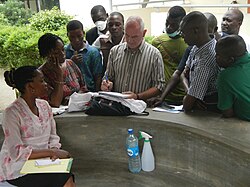
MSF does not merely provide general medicine; it deploys specialized field mission teams to address specific survival needs. These teams are divided into several critical components:
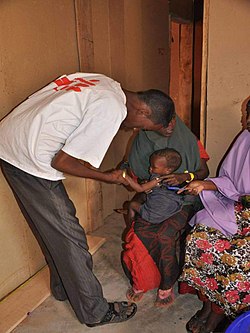
- Medical Component: Direct clinical care, surgery, and epidemic control.
- Nutrition: Treating severe acute malnutrition through therapeutic feeding programmes.
- Water and Sanitation: Ensuring access to clean water and managing wastewater to prevent the spread of waterborne diseases like cholera.
- Statistics and Innovation: Using data and technology to optimize medical responses in the field.
The Campaign for Access to Essential Medicines
Recognizing that medical care is ineffective if drugs are unaffordable, MSF established the Campaign for Access to Essential Medicines. This initiative advocates for lower prices for life-saving drugs and challenges patents that prevent the production of generic medicines in developing nations.
Governance and Organizational Structure
MSF is governed by the International General Assembly and is supported by a vast network of national sections across the globe, from MSF USA and MSF Japan to MSF South Africa and MSF Brazil. This decentralized structure allows the organisation to raise funds and recruit specialists locally while maintaining a unified global strategy.
| Category | Details |
|---|---|
| Total Employees | 49,771 |
| Annual Revenue | €2.6 Billion |
| Annual Expenses | €2.5 Billion |
| International President | Javid Abdelmoneim |
| CEO | Tirana Hassan |
Challenges and Ethical Considerations
Operating in war zones carries immense risk. MSF staff have faced direct violence, including a 2020 attack on a hospital in Kabul, Afghanistan, which resulted in 24 deaths. More recently, the organisation reported that approximately 15 staff members were killed between October 2023 and early 2026, particularly during operations in Gaza.
The organisation has also faced internal and external criticisms. These include accusations of racism and Eurocentrism within its leadership, as well as controversies regarding the decline of medical aid during the Hong Kong protests and the acceptance of certain corporate donations.
Frequently Asked Questions
What is the primary mission of Médecins Sans Frontières?
The primary mission of MSF is to provide emergency medical assistance to people affected by armed conflict, epidemics, natural disasters, or exclusion from healthcare, regardless of race, religion, or political affiliation.
Why did MSF win the Nobel Peace Prize?
MSF was awarded the Nobel Peace Prize in 1999 in recognition of its pioneering humanitarian work on several continents and its commitment to publicizing the suffering of populations in conflict zones.
What is the "Access to Essential Medicines" campaign?
It is an in-house initiative that works to make life-saving medications more affordable and accessible by challenging high drug prices and patent laws that hinder the production of generic medicines.
How does MSF handle water and sanitation in the field?
MSF employs specialists to implement simple water treatment, manage wastewater, and build refuse pits to prevent the outbreak of diseases like cholera in refugee camps and disaster zones.
Who leads MSF currently?
As of 2025, the organisation is led by International President Javid Abdelmoneim and CEO Tirana Hassan.