Understanding the Centers for Disease Control and Prevention (CDC)
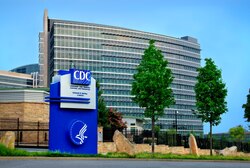
The Centers for Disease Control and Prevention (CDC) serves as the United States' premier national public health agency. Operating under the United States Department of Health and Human Services, the CDC is tasked with protecting public health and safety through the control and prevention of disease, injury, and disability. From managing global health threats to monitoring domestic health trends, the agency plays a critical role in the stability of the nation's healthcare landscape.

Key Facts

- Established: July 1, 1946
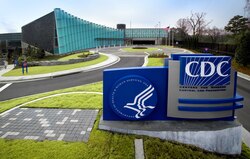
- Headquarters: Atlanta, Georgia, U.S.
- Parent Agency: U.S. Department of Health and Human Services
- FY24 Annual Budget: US$11.581 billion
- Workforce: Approximately 11,815 employees
- Primary Mission: Protecting public health through disease prevention and control
Agency History and Evolution

The CDC has undergone several name changes and structural evolutions since its inception. Its roots trace back to the Office of National Defense Malaria Control Activities (1942) and the Office of Malaria Control in War Areas (1942–1946). On July 1, 1946, it was officially formed as the Communicable Disease Center.
Over the decades, the agency's identity shifted to reflect its expanding scope:
- Communicable Disease Center (1946–1967)
- National Communicable Disease Center (1967–1970)
- Center for Disease Control (1970–1980)
- Centers for Disease Control (1980–1992)
Leadership and Recent Transitions
The agency has been led by numerous directors since its early years. Recent leadership has seen significant transitions. Following the tenure of Mandy Cohen, the agency entered a period of acting leadership. As of February 2026, Jay Bhattacharya serves as the Acting Director.
The agency has also faced internal challenges, including a leadership dispute and the resignation of several senior officials, such as Debra Houry (Chief Medical Officer), Demetre Daskalakis (Director of the National Center for Immunization and Respiratory Diseases), and Daniel Jernigan (Director of the National Center for Emerging and Zoonotic Infectious Diseases).
Organizational Structure and Focus Areas

The CDC is a massive organization divided into various Centers, Institutes, and Offices (CIOs). These specialized units allow the agency to address specific health concerns with scientific precision.
Core National Centers
The agency's work is distributed across several key centers, including:
- National Center for Immunization and Respiratory Diseases: Focuses on vaccine-preventable illnesses.
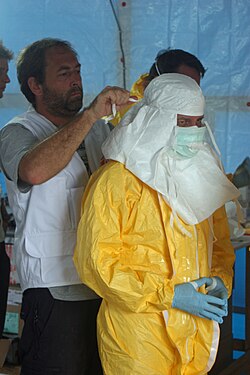
- National Center for Emerging and Zoonotic Infectious Diseases: Monitors diseases that jump from animals to humans.
- National Institute for Occupational Safety and Health (NIOSH): Focuses on worker safety and preventing work-related injuries.
- National Center for Chronic Disease Prevention and Health Promotion: Addresses long-term health issues like heart disease and diabetes.
- Global Health Center: Manages international health security and cooperation.

Major Areas of Scientific Focus
The CDC's scientific mandate covers a broad spectrum of public health disciplines:
- Communicable Diseases: Managing infectious outbreaks like influenza and HIV/AIDS.
- Non-communicable Diseases: Addressing chronic conditions and lifestyle-related health risks.
- Vaccine Safety: Monitoring the safety and efficacy of immunizations.
- Environmental Health: Studying the impact of toxins and environmental factors on human health.
- Traveler's Health: Providing guidance and health levels (Watch, Alert, and Warning) for international travel.
Data, Publications, and Resources
A cornerstone of the CDC's authority is its ability to collect and disseminate high-quality health data. The agency utilizes various systems to track health trends across the United States.
Key Data Systems and Publications
The CDC provides essential tools for researchers and the public, including:
- CDC WONDER: A wide-ranging online database for epidemiologic research.
- Morbidity and Mortality Weekly Report (MMWR): The agency's primary vehicle for scientific publication and weekly health updates.
- Emerging Infectious Diseases: A monthly journal focusing on new infectious threats.
Summary of Agency Profile
| Category | Details |
|---|---|
| Headquarters Location | Atlanta, Georgia, USA |
| Primary Jurisdiction | Federal Government of the United States |
| Key Departments | ATSDR, NIOSH |
| Major Publications | MMWR, Emerging Infectious Diseases |
| Budget (FY24) | $11.581 Billion |
Frequently Asked Questions
What is the main purpose of the CDC?
The CDC's primary mission is to protect public health by preventing and controlling diseases, injuries, and other health threats through scientific research, data surveillance, and public health guidance.
Where is the CDC located?
The agency is headquartered in Atlanta, Georgia, where it operates three major campuses in the metropolitan area.
What are the CDC travel health levels?
The CDC uses a three-level system for travelers: Level 1 (Watch) suggests practicing usual precautions; Level 2 (Alert) suggests enhanced precautions; and Level 3 (Warning) advises avoiding nonessential travel.
What is the role of NIOSH within the CDC?
The National Institute for Occupational Safety and Health (NIOSH) is a department within the CDC that focuses on preventing work-related injuries and illnesses and regulates safety equipment like N95 respirators.
How does the CDC track disease outbreaks?
The agency uses various data systems, such as CDC WONDER, and specialized centers like the Center for Forecasting and Outbreak Analytics to monitor, track, and respond to emerging health threats.