Meat Production and Consumption: History, Nutrition, and Global Impact
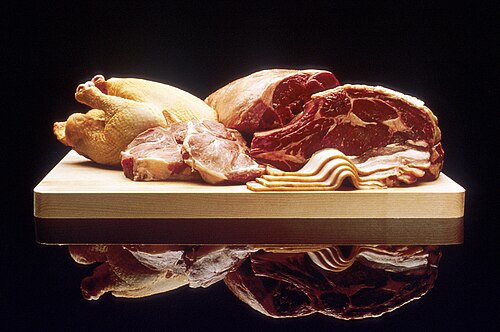
Meat, defined as animal tissue—primarily muscle—consumed as food, has been a cornerstone of human diets since prehistory. From early hunting-gathering societies to the sophisticated industrial systems of today, the way humans source and consume animal protein has evolved significantly, shaping global economies, cultures, and the environment.
The transition from hunting to farming began approximately 11,000 years ago during the Neolithic Revolution. This era marked the start of the domestication of vertebrates, allowing humans to maintain steady food supplies. Over millennia, selective breeding—the process of choosing parents with desirable traits to produce specific offspring—has been used to optimize meat quality, growth rates, and reproductive efficiency for consumers and producers.
Key Facts
- Domestication: Began around 11,000 years ago with goats, sheep, pigs, and cattle in the Near East and South Asia.
- Composition: Meat consists primarily of water, protein, and fat.
- Health Risks: High consumption of red and processed meats is linked to increased risks of type 2 diabetes, coronary heart disease, and certain cancers.
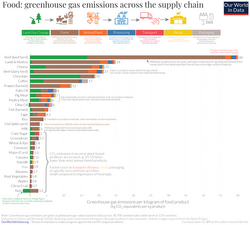
- Environmental Toll: Meat production is a primary driver of tropical deforestation and a major source of greenhouse gas emissions, particularly methane from cattle.
- Global Scale: Chickens are the most slaughtered animals globally, with over 61 billion killed annually.
The History and Science of Domestication
The domestication of animals occurred in waves across different regions of the world, each serving specific human needs. While some animals were raised primarily for food, others served as draft animals or for entertainment.
| Animal | Centre of Origin | Primary Purpose | Years Ago |
|---|---|---|---|
| Goat, sheep, pig, cow | Near East, South Asia | Food | 11,000–10,000 |
| Chicken | East Asia | Cockfighting | 7,000 |
| Horse | Central Asia | Draft, riding | 5,500 |
Modern production relies heavily on genetics to improve efficiency. Traits such as the muscle-to-fat ratio have high heritability (40–60%), making them easier for farmers to influence through breeding than reproductive efficiency (2–10%).
Nutritional Composition and Preservation
The nutritional value of meat varies by animal species and the specific cut. Generally, meat provides high-quality protein and essential fats, though calorie counts vary widely.
- Chicken Breast: Low fat (2g per 100g), high protein (25g).
- Beef Mince: Higher fat (22g per 100g), moderate protein (19g).
- Rabbit: Very high protein (32g per 100g) and low fat (9g).
Because unprocessed meat is highly susceptible to decomposition by bacteria and fungi, preservation is essential. While meat can be eaten raw, it is most commonly cooked via stewing, roasting, or frying. Processing methods such as smoking, salting, and the addition of nitrites or antioxidants help extend shelf life and enhance flavor.
Global Production and Consumption Trends
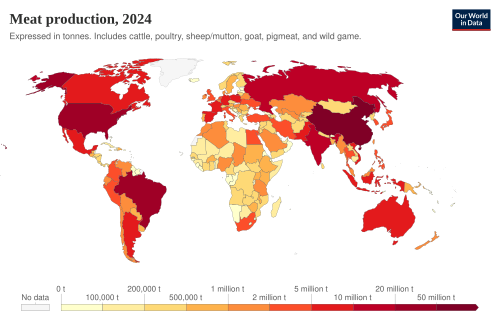
The scale of modern meat production is immense. In 2023, the number of animals slaughtered reached staggering figures, with poultry dominating the industry.
Annual Slaughter Statistics
- Chickens: ~61.17 billion
- Ducks: ~2.89 billion
- Pigs: ~1.45 billion
- Cattle: ~298.8 million
Health and Environmental Implications
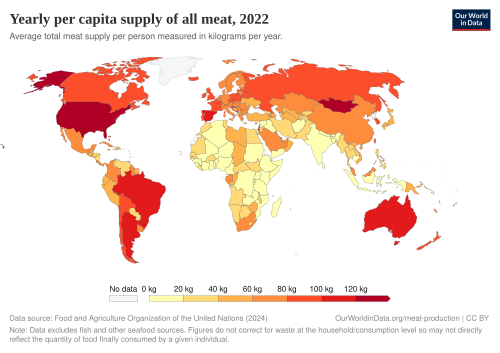
Despite its economic importance, meat consumption—particularly red and processed varieties—is associated with significant health and ecological costs.
Human Health
Recent umbrella reviews indicate a strong correlation between meat intake and chronic diseases. For every 100g of red meat consumed daily, there is a 17% higher risk of type 2 diabetes and a 15% higher risk of coronary heart disease. Processed meats carry even higher risks; 50g per day is associated with a 37% increase in type 2 diabetes risk and a 27% increase in coronary heart disease risk.
![Risk of ischemic heart disease for each 50 g per day increase in processed meat consumption[118]](/images/91/bd/91bde976013aa46ac74044029710848cb95807ceb3858556f6c7c28a2e660c69.jpg)
Environmental Impact
The livestock industry is a major contributor to global warming and biodiversity loss. Beef production is particularly impactful due to the methane produced by cows and the demand for land, which drives tropical deforestation in regions like the Amazon.
![Meat production is a main driver of tropical deforestation, in the Amazon largely due to beef production for export.[134][135][136][137]](/images/b3/f9/b3f9d3edae7d64f1acea199922f00102c35949b78acd24989c80ac0774fa18fe.jpg)
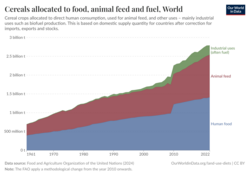
Furthermore, a large fraction of global cereal crops are diverted from human consumption to be used as animal feed, creating inefficiencies in the global food system.
Ethics and Animal Welfare
The rise of intensive animal farming has sparked global debate over animal welfare. Issues such as the use of battery cages for hens and the truncated lifespans of intensively bred livestock have led many individuals to adopt vegetarian or vegan diets for ethical, religious, or environmental reasons.
![The welfare of farm animals such as hens in battery cages and other systems is debated.[14][15][16]](/images/5d/c8/5dc824785f07d8355c9c8e3d3b31fb54ee389feaef76786fe8cbd133d41536fa.jpg)

Frequently Asked Questions
What is the difference between red and white meat in terms of health?
Red and processed meats are more strongly associated with negative health outcomes, including higher risks of coronary heart disease, stroke, and type 2 diabetes, compared to poultry (white meat) and fish.
Why is beef considered to have a higher environmental impact than other meats?
Beef production results in higher greenhouse gas emissions, primarily due to methane produced by cattle, and requires more land, which often leads to deforestation.
How does selective breeding affect meat production?
Selective breeding allows producers to enhance specific traits, such as faster growth rates and a better muscle-to-fat ratio, ensuring the meat meets consumer preferences and production efficiency.
What are common additives used in processed meats?
Common additives include salt and nitrites for preservation, alkaline polyphosphates for moisture retention, ascorbic acid (vitamin C), and various sweeteners, seasonings, and tenderizers to improve taste and texture.