Meat Industry: Industrialization, Global Impact, and the Rise of Alternatives
The meat industry comprises the network of people and companies dedicated to modern industrialized livestock agriculture. This complex sector manages the production, packing, preservation, and marketing of meat, distinguishing itself from other animal-based industries such as dairy or wool. Economically, it represents a fusion of primary agricultural activity and secondary industrial processing, making it a unique hybrid in the global economy.
At its core is the meat packing industry, the segment responsible for the slaughtering, processing, packaging, and distribution of livestock, including poultry, cattle, pigs, and sheep.
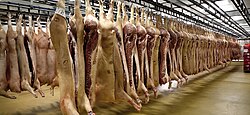
The Industrialization of Livestock
Modern meat production is characterized by intensive animal farming, a system where livestock are kept almost entirely indoors or within restricted outdoor settings like pens. This industrialization has expanded beyond mass-market products to include gourmet items, such as foie gras.
This shift toward heavy industrialization has resulted in a significant environmental footprint. The industry is a major contributor to greenhouse gas emissions, land degradation, and the pollution of air, soil, and water.
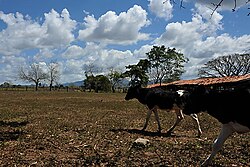
Market Structure and Vertical Integration
The livestock sector is heavily vertically integrated, meaning a single company often owns and controls multiple stages of the supply chain. This concentration of power is evident in the inputs used for animal production; for instance, four firms control 66% of global agrochemical revenue, while 58% of animal pharmaceuticals are concentrated in a few companies.
This economic dominance translates into significant political influence. A 2025 review of scholarship indicated that the animal agriculture industry has used its position to obstruct climate change policies and support disinformation campaigns.
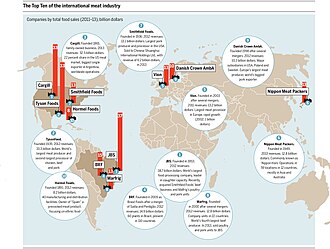
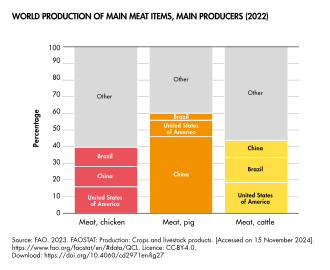
Global Production Leaders
Meat production is dominated by a small number of countries, most notably the United States, China, and Brazil.
Among the largest corporate entities driving this global market are:
- JBS S.A. (Brazil) - The world's largest animal slaughter company.
- Tyson Foods (United States)
- Cargill (United States)
- Marfrig (Brazil)
- WH Group (Hong Kong)
- BRF S.A. (Brazil)
- Vion NV (Netherlands)
- Minerva Foods (Brazil)
- Danish Crown (Denmark)
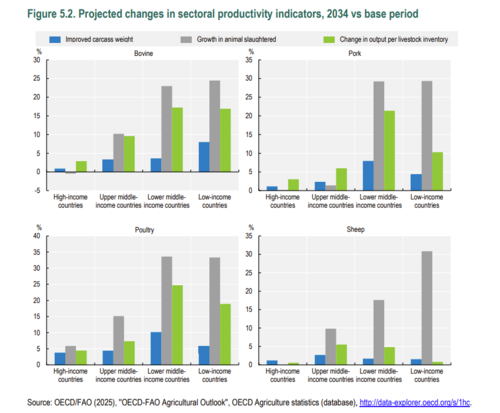
Key Facts
- Economic Nature: A hybrid of primary (agriculture) and secondary (industrial) economic activities.
- Market Concentration: High vertical integration, with a few firms dominating agrochemicals (66%) and pharmaceuticals (58%).
- Environmental Toll: Responsible for significant greenhouse gas emissions and widespread land-use change.
- Global Leaders: The US, China, and Brazil are the primary producers of global meat.
- Industry Giant: Brazil's JBS S.A. is the largest animal slaughter company globally.
Industry Sectors and Evolution
The meat industry operates through a sequence of specialized sectors:
- Animal Breeding: The genetic selection and reproduction of livestock.
- Animal Production: The raising of livestock, often through intensive farming.
- Meat Packing: The slaughter, processing, and packaging phase.
- Distribution: The logistics of moving products to markets and consumers.
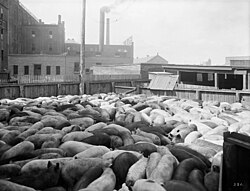
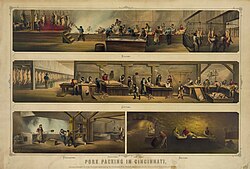
Historically, this process has evolved from smaller operations to massive facilities. For example, the William Davies Company in Toronto was once the third largest hog-packing plant in North America circa 1920.
Criticisms and Societal Impacts
The industrial meat model faces intense scrutiny across several dimensions:
- Animal Welfare: Widespread reports of cruelty to animals within industrial systems.
- Public Health: The overconsumption of meat is linked to obesity, and animal waste can spread diseases such as E. coli.
- Worker Safety: Processing facility employees face significant health risks and physical dangers.
- Economic Burden: The state incurs high costs for meat inspection and healthcare related to industry-linked diseases.
The Rise of Alternative Meats
In response to environmental and ethical concerns, a new industry for alternative meats has emerged. This is divided into two primary categories:
Plant-Based Alternatives
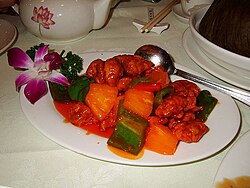
These products use plant proteins to mimic the taste and texture of meat, such as tempeh or tofu-based alternatives.


Cultured Meat
Cultured meat (also known as lab-grown or cell-cultured meat) is produced by growing animal cells in a controlled environment rather than raising and slaughtering animals. This technology saw a milestone in 2013 with the first cell-cultured hamburger in London and later with cultured chicken served in Singapore in 2023.
| Method | Source | Primary Concern | Key Characteristic |
|---|---|---|---|
| Industrial Meat | Livestock | Environmental/Ethical | Vertically Integrated |
| Plant-Based | Plants/Legumes | Taste/Texture Mimicry | Meat-free Analogues |
| Cultured Meat | Animal Cells | Regulatory/Scaling | Lab-grown/In vitro |
Frequently Asked Questions
What is vertical integration in the meat industry?
Vertical integration occurs when a single company owns and controls multiple stages of the production process, from the breeding of animals and the supply of pharmaceuticals to the slaughtering and distribution of the final product.
How does intensive animal farming affect the environment?
Intensive farming leads to significant greenhouse gas emissions, causes land-use change and degradation, and contributes to the pollution of air, soil, and water sources.
What is the difference between plant-based and cultured meat?
Plant-based meat is made from plant proteins (like soy or peas) to simulate meat. Cultured meat is actual animal meat grown from cells in a laboratory setting without the need to slaughter an animal.
Which companies dominate the global meat market?
The market is dominated by a few large firms, with Brazil's JBS S.A. being the world's largest animal slaughter company, alongside other major players like Tyson Foods and Cargill in the United States.
What are the primary health concerns associated with industrial meat?
Key concerns include the link between meat overconsumption and obesity, as well as the spread of foodborne illnesses like E. coli associated with animal waste.