Marco Polo: The Venetian Merchant Who Bridged East and West
Few figures in history capture the imagination quite like Marco Polo. A Venetian merchant, explorer, and writer, Polo became the primary conduit through which medieval Europe first glimpsed the splendor and complexity of the Far East. Born in 1254 in Venice, Polo's life was defined by an extraordinary journey that spanned thousands of miles and decades of service to one of history's most powerful rulers.
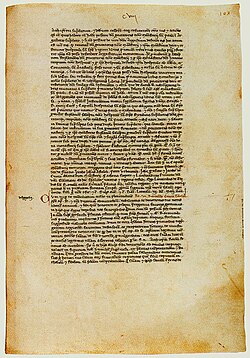
His legacy is primarily preserved in his famous travelogue, The Travels of Marco Polo, a work that challenged European perceptions of the world and inspired future generations of explorers, including Christopher Columbus.
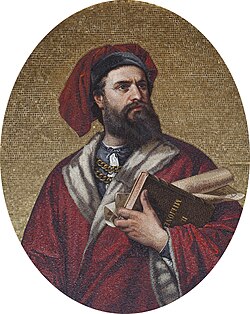
Key Facts
- Born: 1254, Venice (present-day Italy).
- Died: January 8, 1324, Venice.
- Primary Work: The Travels of Marco Polo (also known as Il Milione).
- Key Association: Served as an emissary for Kublai Khan of the Mongol Empire.
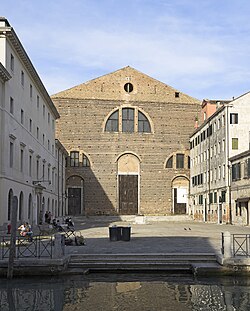
- Burial Site: Church of San Lorenzo, Venice.
Early Life and the Journey East
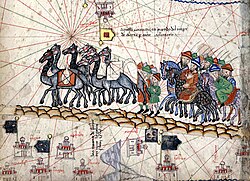
Marco Polo was born into a family of merchants. His father, Niccolò, and uncle were already seasoned travelers who had previously ventured into Asia. In the late 13th century, Marco joined them on an epic voyage across the Silk Road—the network of trade routes connecting China and the Mediterranean.
This journey took place during the Pax Mongolica, a period of relative stability across Eurasia under Mongol rule, which allowed for safer travel and increased cultural exchange.
Service to Kublai Khan
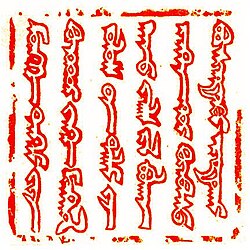
Upon arriving in China, the Polos were received by Kublai Khan, the founder of the Yuan Dynasty. Impressed by Marco's intelligence and linguistic abilities, the Khan took him into his service. Marco spent many years traveling throughout the empire as an official, observing the administration, economy, and diverse cultures of the East.
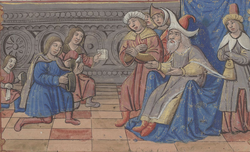
The Travels of Marco Polo
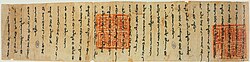
Marco Polo did not write his famous book while in China. Instead, the narrative emerged after his return to Venice. During a conflict between Venice and Genoa, Marco was captured and imprisoned. While in captivity, he dictated his experiences to a fellow prisoner, Rustichello of Pisa, a writer of romances.
The resulting manuscript, often referred to as Il Milione (The Million), provided detailed accounts of Asian cities, the use of paper money, and the vast wealth of the Mongol court.
Authenticity and Scholarly Debate
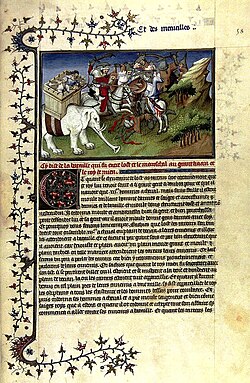
Over the centuries, historians have debated the veracity of Polo's claims. Some critics, such as Frances Wood, have questioned whether he ever actually reached China, citing the omission of certain cultural landmarks. However, many scholars point to his accurate descriptions of currencies, salt revenues, and administrative details as proof of his presence in the East.
Legacy and Commemoration
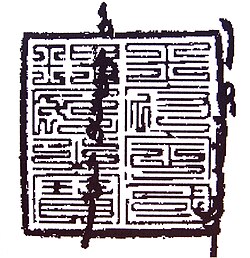
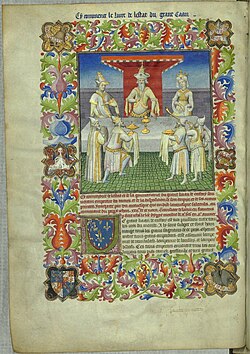
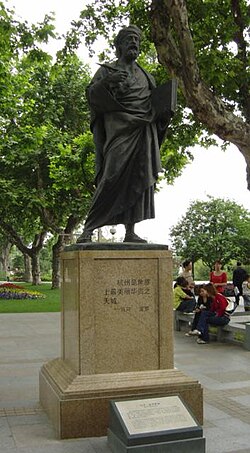
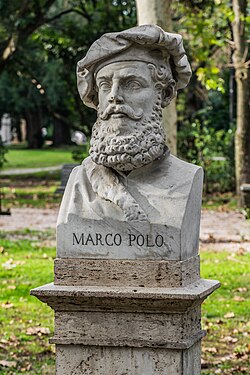
Marco Polo's influence extended far beyond his own lifetime. His writings were used by cartographers to create more accurate maps of Asia, such as the Fra Mauro map. He also left a mark on the arts and popular culture, appearing in numerous films, novels, and television series.
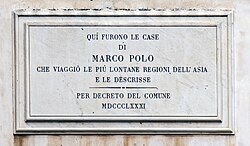
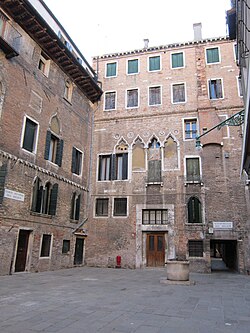
In Venice, his memory is preserved through landmarks like the Corte Seconda del Milion and the site of his former home, now part of the Teatro Malibran.
Summary of Marco Polo's Life
| Category | Details |
|---|---|
| Lifespan | 1254 – 1324 |
| Nationality | Venetian |
| Key Figure | Kublai Khan |
| Major Contribution | Detailed accounts of Asian geography and culture |
| Family | Father: Niccolò Polo; Spouse: Donata Badoer |
Frequently Asked Questions
Did Marco Polo introduce pasta to Italy?
No. The claim that Marco Polo brought noodles from China to Italy is a pervasive myth. Pasta culture existed in Italy prior to his travels.
Who wrote the book "The Travels of Marco Polo"?
While the accounts are based on Marco Polo's experiences, the book was actually written by Rustichello of Pisa, to whom Polo dictated his stories while they were both in prison.
Did Marco Polo actually visit China?
Most modern scholars believe he did. While some argue he only gathered information from other travelers, his detailed knowledge of Mongol administration and Chinese economics provides strong evidence of his visit.
What was the "Pax Mongolica"?
The Pax Mongolica was a period of relative peace and stability across Eurasia under the Mongol Empire, which facilitated the trade and travel that made Marco Polo's journey possible.
Where is Marco Polo buried?
Marco Polo is buried in the Church of San Lorenzo in Venice, Italy.