Marble: The Geology, Chemistry, and Artistry of Metamorphic Stone
Marble is more than just a luxury material for countertops and monuments; it is a fascinating metamorphic rock formed through the intense transformation of sedimentary carbonate rocks. From the pristine white sculptures of ancient Greece to the towering white buildings of Ashgabat, marble has been a symbol of elegance and durability for millennia.
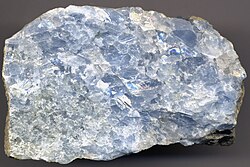
In geological terms, marble is created when limestone or dolomite—the protoliths, or original parent rocks—are subjected to extreme heat and pressure. This process causes the carbonate minerals to recrystallize, resulting in a crystalline texture that is typically not foliated (meaning it lacks the layered appearance common in other metamorphic rocks).
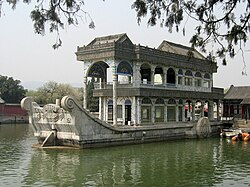
Key Facts
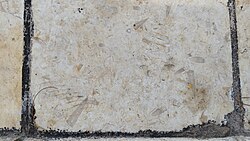
- Composition: Primarily composed of calcite (CaCO3) or dolomite (CaMg(CO3)2).
- Formation: Created via the metamorphism of sedimentary carbonate rocks.
- Global Production: Dominated by China, Italy, India, and Spain.
- Top Exporter: Turkey held a 42% share of the global marble trade in 2018.
- Unique Property: Low index of refraction allows light to penetrate 12.7 to 38 mm, creating a lifelike, waxy luster.
The Geology and Chemistry of Marble
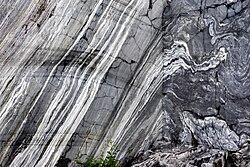
The transformation from limestone to marble involves a variable recrystallization of mineral grains, which typically destroys the original sedimentary structures of the protolith. The result is an interlocking mosaic of carbonate crystals.
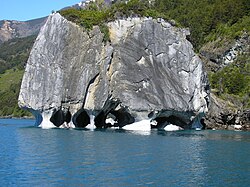
Chemical Vulnerability and Degradation
Because of its calcium carbonate base, marble is highly reactive to acids. When acids come into contact with the stone, they produce carbonic acid, which quickly decomposes into carbon dioxide (CO2) and water (H2O), effectively dissolving the stone's surface.
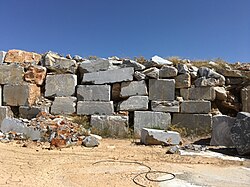
Industrial Finishing and Crystallization
To enhance durability and shine, professionals use a process called crystallization. By polishing the surface with an acidic solution (such as magnesium fluorosilicate and hydrochloric acid), a layer of calcium hexafluorosilicate is bonded to the surface. This chemical change makes the floor harder, glossier, and more resistant to stains.
Alternatively, oxalic acid may be used for polishing. Unlike crystallization, this process creates calcium oxalate which is washed away as slurry, leaving the marble surface chemically unchanged but polished.
Global Production and Varieties
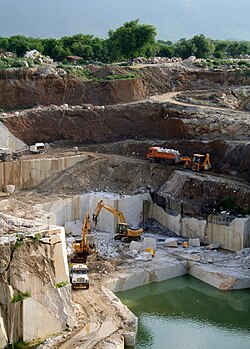
Marble is extracted through quarrying. While many countries produce the stone, China and Italy lead the world in production volume, representing 34% and 19% of global output, respectively.
Notable Marble Varieties
| Variety | Color | Location | Country |
|---|---|---|---|
| Carrara | White or blue-gray | Tuscany | Italy |
| Makrana | White | Rajasthan | India |
| Nero Marquina | Black | Bizkaia | Spain |
| Parian | Pure-white | Island of Paros | Greece |
| Yule | Uniform pure white | Colorado | United States |
| Hanbaiyu | White | Hebei | China |
Applications in Art and Architecture
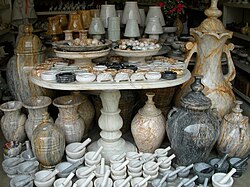
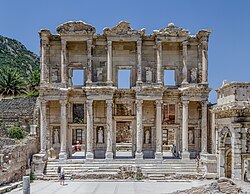
White marble has been the gold standard for sculpture since classical times. Its relative softness makes it easier to carve, while its homogeneity and resistance to shattering ensure longevity. The way light penetrates the stone gives sculptures a lifelike luster, making it ideal for depicting the human form.

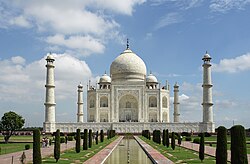
Beyond art, marble is used extensively in construction. The capital of Turkmenistan, Ashgabat, is recognized by the Guinness Book of Records for having the highest concentration of white marble buildings in the world.
Environmental Impact and Safety
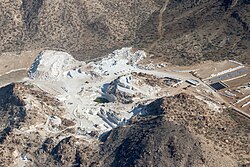
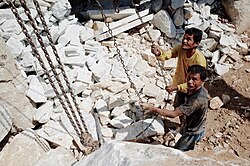
The marble industry faces significant sustainability challenges. In 2019, total world quarrying production was approximately 316 million tonnes, but 53% of this material became waste. To mitigate this, waste chips are often repurposed for flooring or wall finishes.
Occupational safety is also a priority due to the dust generated during processing. In the United States, OSHA sets a permissible exposure limit of 15 mg/m³ for total exposure and 5 mg/m³ for respiratory exposure over an 8-hour workday.
Maintenance and Preservation

Because marble is soft and porous, it is susceptible to scratches and staining from colored liquids. To preserve the stone, it is critical to avoid alcohol or acidic cleaners, which corrode the surface. Instead, a mild, pH-neutral, non-abrasive soap should be used for cleaning.

Frequently Asked Questions
What is the difference between geological marble and stonemasonry marble?
In geology, marble refers specifically to metamorphosed limestone. In stonemasonry, the term is used more broadly to include both metamorphosed and unmetamorphosed limestone.
Why is marble preferred for sculpting the human form?
Marble is preferred because it is relatively soft to carve, homogeneous, and has a low index of refraction. This allows light to penetrate the stone, creating a waxy, lifelike luster.
Which countries dominate the global marble market?
Production is dominated by China, Italy, India, and Spain. In terms of exports, Turkey has been a world leader, holding a 42% share of the global trade in 2018.
How do you safely clean a marble surface?
You should use a mild, pH-neutral, non-abrasive soap. Avoid any acidic liquids or alcohol, as these will react with the calcium carbonate and corrode the stone.
What is the environmental cost of marble production?
Quarrying produces a significant amount of waste, with approximately 53% of excavated material becoming waste. Much of this is repurposed as chips for construction or flooring.