Calcite: Properties, Crystal Structures, and Optical Phenomena
Calcite is a widespread carbonate mineral composed of calcium carbonate (CaCO3). Known for its diverse crystal forms and striking optical properties, it serves as a fundamental component of many sedimentary rocks and biological structures. From the ancient perfume jars of Egyptian tombs to the complex eyes of prehistoric trilobites, calcite has played a significant role in both natural history and human craftsmanship.
In the world of mineralogy, calcite is particularly noted for its role as the defining mineral for hardness level 3 on the Mohs scale. Its ability to react with acids and its unique way of splitting—known as cleavage—make it an essential subject for geologists and chemists alike.
Key Facts
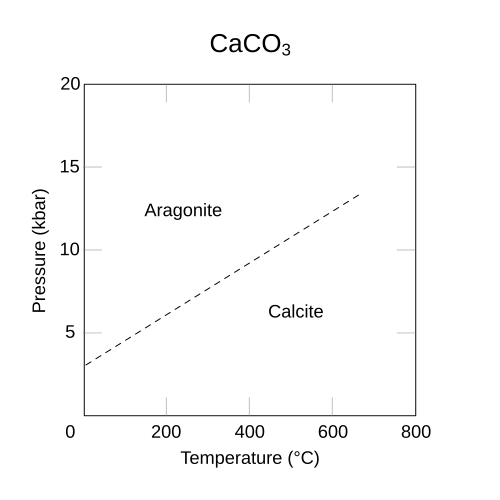
- Chemical Formula: CaCO3 (Calcium Carbonate).
- Hardness: 3 on the Mohs scale.
- Optical Specialty: Exhibits strong birefringence (double refraction).
- Chemical Reactivity: Soluble in dilute acids, releasing carbon dioxide.
- Crystal System: Trigonal.
- Common Habit: Frequently found as rhombohedrons or scalenohedrons.
Crystal Structure and Habits
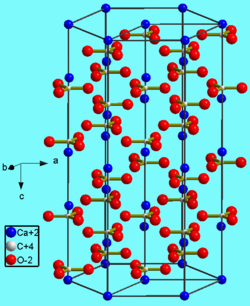
Calcite belongs to the trigonal crystal system and is characterized by a complex variety of forms. In mineralogy, there are two ways to define its unit cell: the older morphological unit cell (determined by measuring angles between faces) and the modern structural unit cell (determined via X-ray crystallography). While the morphological cell is rhombohedral, the structural cell is hexagonal.
The mineral is famous for its diverse crystal habits, which are the characteristic external shapes it takes. The most common include:
- Scalenohedra: Crystals with faces in specific hexagonal directions.
- Rhombohedrons: The most common form, which also aligns with the mineral's perfect cleavage planes.
- Other forms: Calcite can also appear as botryoidal (grape-like), stalactitic, globular, granular, or fibrous (known as lublinite when efflorescent).
Calcite exhibits perfect cleavage in three directions at an angle of 74° 55', meaning it breaks cleanly along these planes. Its fracture is conchoidal (shell-like), though this is often difficult to observe due to the dominant cleavage.
Optical Properties: The Magic of Birefringence
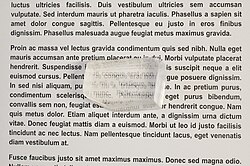
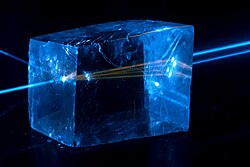
One of the most fascinating characteristics of clear calcite is birefringence, also known as double refraction. First described by Rasmus Bartholin in 1669, this phenomenon occurs because the mineral has two different refractive indices: the ordinary (nω = 1.640–1.660) and the extraordinary (nε = 1.486).
When light passes through a clear calcite crystal, it is split into two rays. To the human eye, this causes any object viewed through the crystal to appear doubled. This property has been utilized historically and scientifically, including theories regarding ancient Viking navigation tools.
Chemical Behavior and Environmental Impact
Calcite is highly reactive to acids. When it comes into contact with dilute acids, it dissolves and releases carbon dioxide gas according to the reaction: CaCO3 + 2H+ → Ca2+ + H2O + CO2.
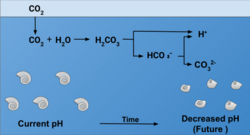
This chemical sensitivity makes calcite a key player in global climate cycles. Ocean acidification occurs when the ocean absorbs excess atmospheric carbon dioxide, reducing the pH of the water. This increase in acidity hinders the process of calcification, making it difficult for shelled organisms to build and maintain their calcium carbonate structures.
Natural Occurrence and Human Use
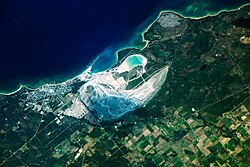
Calcite is found globally, appearing in various environments from deep-sea sediments to cave formations. Some of the most impressive specimens have been found in Iceland, where a single crystal once measured 7m x 7m x 2m and weighed approximately 250 tons. Other classic samples originate from the Madawaska Mine in Ontario, Canada.
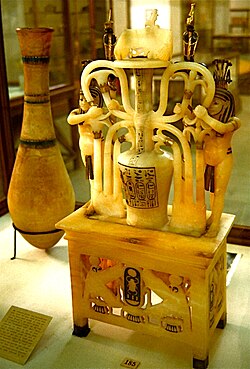
Historically, calcite has been used for ornamental and functional purposes. Its translucency and ease of carving made it a preferred material for luxury items in antiquity, such as the alabaster perfume jars found in the tomb of Tutankhamun.
Summary of Calcite Properties
| Property | Value/Description |
|---|---|
| Chemical Formula | CaCO3 |
| Mohs Hardness | 3 |
| Luster | Vitreous to pearly |
| Specific Gravity | 2.71 |
| Color | Colorless, creamy white, or brownish |
| Cleavage | Perfect in three directions (74° 55') |
| Diaphaneity | Transparent to translucent |
Frequently Asked Questions
What is birefringence in calcite?
Birefringence, or double refraction, is an optical property where a single ray of light is split into two rays as it passes through the crystal. This causes objects viewed through clear calcite to appear as double images.
How does calcite react to acid?
Calcite is soluble in dilute acids. When it reacts, it breaks down into calcium ions, water, and carbon dioxide gas, which typically manifests as effervescence (bubbling).
What is the difference between morphological and structural unit cells?
The morphological unit cell is an older definition based on the external angles of the crystal faces (rhombohedral), while the structural unit cell is based on the internal atomic arrangement determined by X-ray crystallography (hexagonal).
How does ocean acidification affect calcite?
Ocean acidification lowers the pH of seawater. Since calcite is soluble in acidic conditions, this makes it harder for marine organisms (like corals and mollusks) to precipitate calcium carbonate to build their shells and skeletons.
What are the most common shapes of calcite crystals?
The most common habits are rhombohedral (tilted cubes) and scalenohedral (pointed, dog-tooth shapes), though it can also appear in botryoidal or stalactitic forms.