Māori People: History, Culture, and Demographics of New Zealand's Indigenous Population
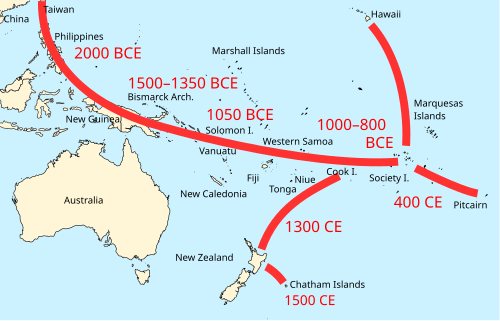
The Māori are the indigenous Polynesian people of New Zealand. Their journey to the islands represents the final stage of a vast chain of island-hopping voyages across the South Pacific, establishing a unique culture that remains central to New Zealand's national identity today.
Key Facts
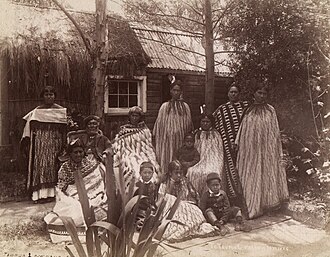
- Population: 887,493 people identified as Māori in the 2023 New Zealand census (17.8% of the population).
- Origins: Descendants of Polynesian voyagers who settled New Zealand.
- Language: Te Reo Māori is the indigenous language, supported by government initiatives like Māori Television.
- Social Structure: Organized into iwi (tribes) and hapū (sub-tribes).
- Political Presence: Māori hold a historically high representation in the 54th Parliament, making up 27% of MPs.
Historical Development
Early Settlement and Traditional Life
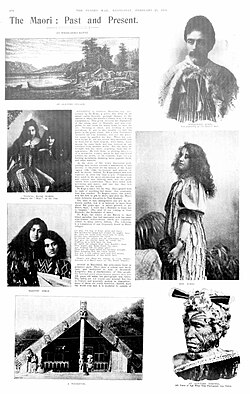
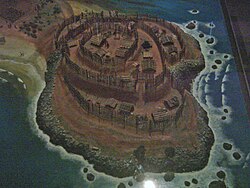
Māori society evolved from early settlers into a complex tribal structure. Over time, competition and population growth led to the proliferation of pā, which are fortified hillforts built on headlands for defense.
European Contact and the British Empire
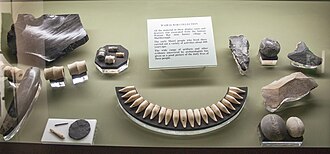
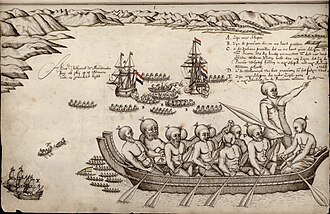
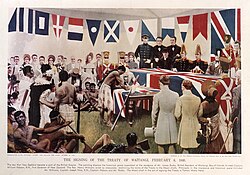
The first recorded encounter between Europeans and Māori occurred in 1642 with the arrival of Abel Tasman. However, the most defining political moment came in 1840 with the signing of the Treaty of Waitangi, which brought New Zealand and the Māori under the British Empire.
The Māori King Movement and Resistance
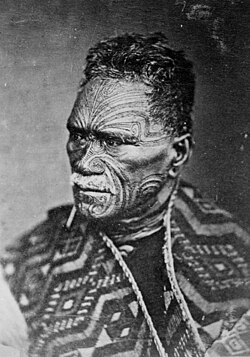
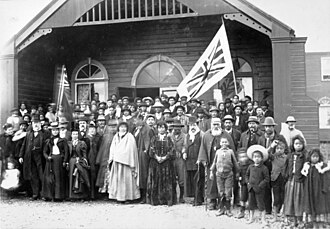
In response to colonial pressures, the Māori King movement emerged to unify tribes. Tāwhiao, the second Māori king, reigned from 1860 to 1894, symbolizing a period of organized leadership and resistance.
Demographics and Global Presence
The Māori population has seen significant growth, with 887,493 people identifying as Māori in 2023. This represents a substantial increase from previous censuses, partly due to improved data collection methods by Statistics New Zealand. The population is notably young, with a median age of 26.8 years compared to the national median of 38.1.
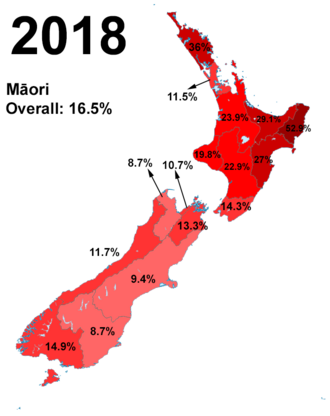
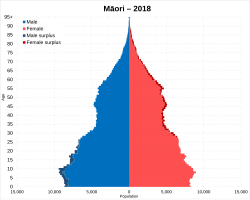
Ethnicity is diverse; while 41.2% identify as sole Māori, 46.1% identify as both European and Māori, reflecting a high rate of intermarriage. The largest iwi by population is Ngāpuhi, followed by Ngāti Porou, Ngāti Kahungunu, and Waikato.
Global Diaspora
While centered in New Zealand, significant Māori populations exist abroad, most notably in Australia, where over 170,000 people identify as Māori. Smaller communities are found in the United Kingdom, United States, and Canada.
| Region | Population | Census Year |
|---|---|---|
| New Zealand | 978,246 | 2023 |
| Australia | 170,057 | 2021 |
| United Kingdom | ~8,000 | 2000 |
| United States | 3,500 | 2000 |
| Canada | 2,500 | 2016 |
Culture and Society
Traditional and Modern Customs
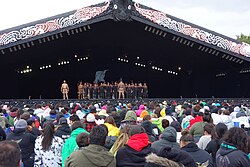
The marae (communal meeting ground) remains the focal point of Māori social and spiritual life, featuring the wharenui (meeting house) adorned with traditional carvings.
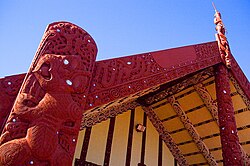
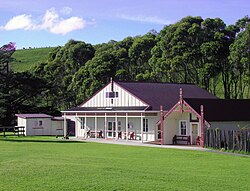
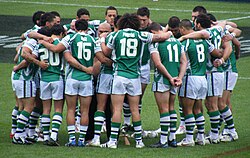
Performing arts, such as the haka (a ceremonial dance), are globally recognized, particularly through their performance by New Zealand's national rugby union team.

Language and Religion
Te Reo Māori is the indigenous language. Efforts to revitalize the language include the establishment of Māori Television in 2004. In terms of faith, a majority of Māori identify as irreligious (53.5%), followed by Christianity (29.9%) and traditional Māori religions (7.7%).

Socioeconomic Challenges and Political Progress
Health and Living Standards
Historical disparities in living conditions were stark; a 1961 census showed Māori dwellings had significantly lower access to hot water and flush toilets compared to non-Māori. Health gaps persist today, with life expectancy for Māori males (73.4 years) and females (77.1 years) remaining lower than for non-Māori.
Political Activism and Representation
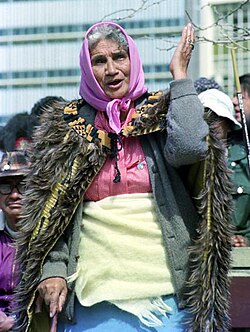
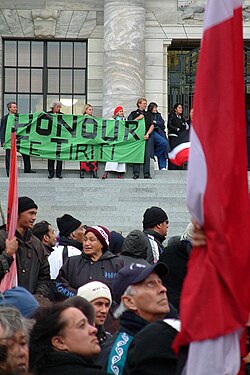
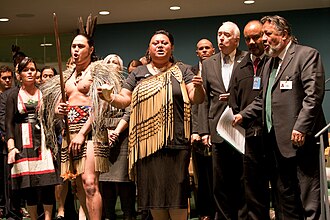
The 20th century saw a rise in activism, such as the 1975 Māori Land March led by Whina Cooper, seeking redress for historical grievances. This activism has translated into political power, with Māori now making up 27% of the New Zealand Parliament.

![The national Māori flag, also known as the Tino rangatiratanga (absolute sovereignty) flag. Designed in 1989,[196] it is widely used by Māori groups.](/images/71/da/71da45536aa5ff94bfeff0f9ca9d41f7699c2f4475a1bd3ccfdef059a0465bb3.webp)
Frequently Asked Questions
What is the current population of Māori in New Zealand?
According to the 2023 census, there were 887,493 people identifying as part of the Māori ethnic group, which is approximately 17.8% of New Zealand's total population.
What are iwi and hapū?
Iwi are the largest social units, often translated as tribes, while hapū are smaller sub-tribes. These structures form the basis of Māori kinship and social organization.
What is the significance of the Treaty of Waitangi?
Signed in 1840, the Treaty of Waitangi is the founding document of New Zealand, establishing the relationship between the British Crown and Māori chiefs.
How is the Māori language being preserved?
Preservation efforts include the use of Te Reo Māori in education and the creation of government-funded media, such as Māori Television, which began broadcasting in 2004.
What is a marae?
A marae is a communal and sacred meeting ground that serves as the social and spiritual center for Māori communities, typically featuring a wharenui (meeting house).