Mantling in Heraldry: The Art and History of the Lambrequin
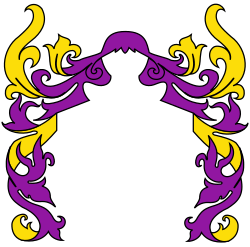
In the intricate world of heraldry, mantling—also known by its French name, lambrequin—refers to the decorative drapery tied to the helmet above the shield. While it often appears as a flourish of artistic expression in modern coats of arms, its origins are rooted in the practical necessities of medieval warfare.
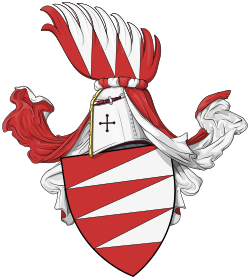
Originally, mantling represented the protective cloth covering, typically made of linen, that knights wore over their helmets. This cloth served two primary purposes: it shielded the wearer from direct sunlight, which could otherwise heat the interior of a metal helmet to unbearable temperatures during summer campaigns, and it helped soften the impact of sword blows during combat. Because of these battles, mantling is traditionally depicted as tattered or cut to shreds.
In contrast, mantling is occasionally shown as an intact drape. This is most common when clergy members are depicted with a helmet, symbolizing that they have not been involved in combat. However, such depictions are often the result of an artist's decorative preference rather than a strict symbolic requirement.
Key Facts
- Purpose: Originally used by knights to block sun heat and reduce the impact of sword strikes.
- Appearance: Usually depicted as tattered or shredded to signify battle experience.
- Composition: Typically consists of two sides: a color and a metal.
- Artistic Freedom: One of the few elements of a coat of arms where artists have significant creative liberty.
- Blazonry: Generally described as "mantled x, doubled y," where "doubled" refers to the lining.
The Rules of Blazon and Tincture
The blazon (the formal description of a coat of arms) typically specifies the colors of the mantling. The cloth has two sides: the outer color and the inner lining, known as the doubling. Usually, one side is a color and the other is a metal.
Most mantling follows the primary colors of the shield or the livery colors of the entity bearing the arms. However, there are several notable exceptions and unique variations:
- Sovereigns: The arms of the United Kingdom feature gold (or) mantling lined with ermine, a combination often reserved exclusively for sovereigns.
- National Symbols: The coat of arms of Canada is mantled white (argent) and red (gules), with the current standard rendering shaping the mantling into maple leaves.
- Unique Materials: The Black Loyalist Heritage Society uses a rare combination of two furs (ermines lined with ermine), while Bruce Douglas Bolton's arms feature tartan on the outside.
In rare instances, the mantling is designed to complement the escutcheon (the shield) by mimicking its ordinaries and charges. When these charges appear on the mantling, they are typically displayed as a semy, meaning a pattern of small, scattered figures.
Evolution of Style and Artistry
The depiction of mantling has evolved significantly over the centuries. In the early days of heraldry, before the development of the torse (the twisted wreath), crest coronets, or chapeaux, the crest often merged directly into the mantling. This was common when the crest featured a demi-human figure whose clothing or an animal's fur could naturally flow into the drapery—a style that remains frequent in German heraldry.
As heraldry transitioned from the battlefield to the page, mantling became a showcase for an artist's skill. Early medieval drawings were plain and realistic. By the 1500s, however, the style shifted toward the intricate. Artists began drawing complex, corkscrewed strands and elaborate tatterings.
Despite this creative freedom, a strict rule remains: the tattered elements must be depicted realistically and plausibly. This requirement demands a high level of spatial ability and technical skill from the heraldic artist to ensure the folds and tears look natural despite their complexity.
Summary of Mantling Characteristics
| Type/Entity | Outer Color/Material | Lining (Doubling) | Distinguishing Feature |
|---|---|---|---|
| Standard Knight | Main shield color | Main shield metal | Tattered/shredded appearance |
| UK Sovereign | Gold (Or) | Ermine | Reserved for royalty |
| Canada | White (Argent) | Red (Gules) | Shaped like maple leaves |
| Black Loyalist Heritage Society | Ermine | Ermine | Composed of two furs |
| Bruce Douglas Bolton | Tartan | Varies | Unique fabric outer layer |
Frequently Asked Questions
Why is heraldic mantling often shown as torn?
The tattered appearance symbolizes the knight's experience in battle, representing the cloth being cut to shreds by sword blows during combat.
What is the difference between the mantling and the doubling?
The mantling refers to the overall drapery, while the doubling specifically refers to the inner lining of that cloth.
Can mantling be any color?
While it usually follows the colors of the shield or livery, there are exceptions. Some use unique materials like tartan or fur, and sovereigns may use specific combinations like gold and ermine.
How does mantling differ for clergy members?
For clergy, the mantling is often depicted as an intact drape rather than tattered, symbolizing that they have not participated in combat.
What is a "semy" in the context of mantling?
A semy occurs when the mantling is decorated with a pattern of small, scattered charges that mimic the designs found on the shield.