Coat of Arms: The History and Tradition of Heraldic Design
A coat of arms is a heraldic visual design traditionally displayed on an escutcheon (shield), a surcoat, or a tabard. While we often use the term to describe the graphic design itself, the phrase originally referred to the medieval surcoat worn over chainmail during combat or tournaments. Today, these designs serve as unique identifiers for an armiger—which could be an individual, a family, a state, an organization, or a corporation.
When viewed as a complete heraldic achievement, the design consists of more than just the shield; it typically includes supporters, a crest, and a motto. Because of their distinctiveness and consistency, modern heraldry is often compared to the function of contemporary corporate logos.
Key Facts
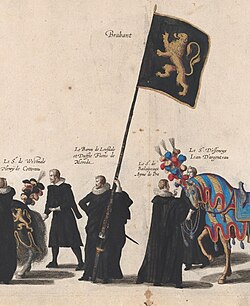
- Origin: Heraldry became common among European nobility in the 12th century.
- Blazon: The formal, standardized description of a coat of arms that ensures consistent depiction.
- Hereditary Nature: By the end of the 12th century, arms became hereditary, notably in England during the Third Crusade.
- Global Reach: While European in origin, heraldic traditions exist in North America, Africa, and are mirrored by the kamon system in Japan.
- Regulation: Some regions, like Scotland and England, still maintain official heraldic authorities to grant and regulate arms.
The Evolution of Heraldry
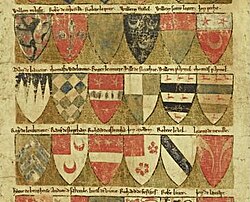
Systematic heraldry developed by the early 13th century. Initially, designs were personal and could be altered by the nobleman over time. However, as the practice evolved, arms became hereditary markers of lineage. To track these designs and the families that bore them, rolls of arms were created—collections of coats of arms used to trace genealogy and noble membership.
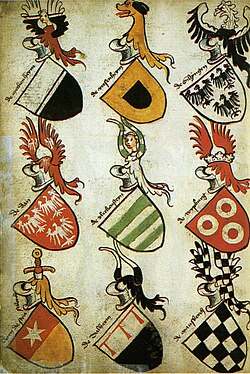
Over time, the use of arms expanded beyond the knightly class. By the 14th century, burghers in Northern Italy and the Holy Roman Empire adopted them. Eventually, the clergy, towns, universities, and trading companies began using heraldic devices as civic and institutional identifiers.
Regional Traditions and Regulations
British and Irish Heraldry
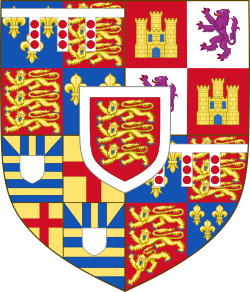
In England and Scotland, a coat of arms is viewed as legal property transmitted from father to son. To prevent multiple people from using the same design, undifferenced arms are reserved for one person at a time. Other descendants must add a difference, such as a color change or a label (a charge indicating an heir apparent).
Regulation varies by region: in Scotland, the Lord Lyon King of Arms has criminal jurisdiction, while in England, Northern Ireland, and Wales, the College of Arms and the High Court of Chivalry manage arms under civil law.
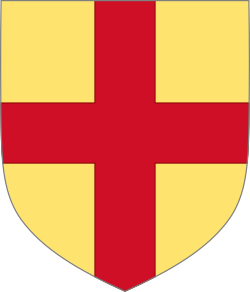
In Ireland, the Ulster King of Arms regulated grants from 1552 until the office was merged in 1943. Today, heraldry in the Republic of Ireland is managed by the Chief Herald of Ireland, while Northern Ireland remains under the jurisdiction of the College of Arms.
Continental European Traditions
French heraldry heavily influenced Western Europe, providing much of the terminology used today. However, following the fall of the French monarchy, there is no central authority (Fons Honorum) to enforce heraldic law; instead, arms are treated as family or municipal intellectual property.
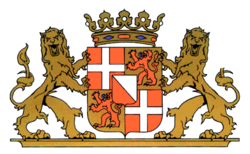
German heraldry, including the traditions of the Holy Roman Empire, differs significantly from Gallo-British styles and influenced the Nordic countries. In Nordic regions, coats of arms are frequently used by municipalities and displayed on official buildings and documents.
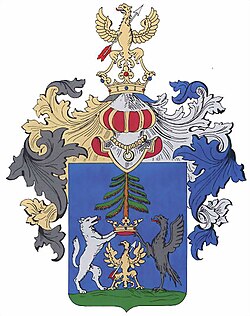
North American Heraldry
Canada maintains a formal system through the Canadian Heraldic Authority, with the Governor General exercising the monarch's prerogative to grant arms. In the United States, heraldry is most prominent in the Great Seal of the United States, adopted in 1782, which features a shield divided into thirteen pieces on the breast of a bald eagle.

Ecclesiastic and Global Emblems
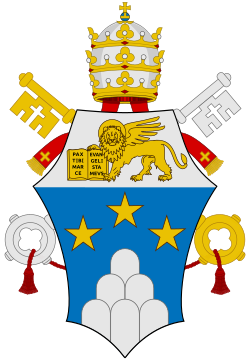
The papacy uses a unique system where the occupant combines personal arms with the symbols of the office, such as the papal tiara and crossed keys. Roman Catholic dioceses and basilicas also utilize coats of arms regardless of the country's secular heraldic laws.
Outside of Europe, many nations have adopted heraldic-style emblems. Arab nations often incorporate the star and crescent or the Eagle of Saladin. Sub-Saharan African nations frequently use regional wildlife, such as the leopard or black panther, to represent ritual significance. In Japan, the kamon (family badges) provide a parallel but independent tradition of abstract and floral family identifiers dating back to the 7th century.

Summary of Heraldic Traditions
| Region | Primary Authority/Regulation | Key Characteristic |
|---|---|---|
| England | College of Arms / High Court of Chivalry | Legal property; strictly regulated civil law. |
| Scotland | Lord Lyon King of Arms | Statutory control with criminal jurisdiction. |
| France | None (Intellectual Property) | Family-owned; assumed arms are generally valid. |
| Canada | Canadian Heraldic Authority | Delegated royal prerogative. |
| Japan | Independent Tradition (Kamon) | Abstract/floral family badges since 7th century. |
Frequently Asked Questions
What is the difference between a coat of arms and a flag?
While both use similar colors and designs, they are distinct. A flag (or ensign for ships) is a piece of fabric used for identification, whereas a coat of arms is a heraldic design. A country may have a national flag and a national coat of arms that look entirely different.
What is a blazon?
A blazon is a formal written description of a coat of arms. It uses a specialized vocabulary that allows any heraldic artist to recreate the design accurately without needing a visual reference.
Can anyone have a coat of arms today?
Yes, though the process depends on the region. In some countries, you can apply to an official authority like the College of Arms, while in others, arms are treated as intellectual property that a family can assume or design independently.
What are "supporters" in heraldry?
Supporters are figures—often animals or humans—that appear on either side of the escutcheon (shield), appearing to hold it up. They are part of the full heraldic achievement.
How did the term "coat of arms" originate?
The term comes from the Old French cote a armer, referring to the surcoat worn over armor. By the mid-14th century, the term shifted from describing the garment to describing the heraldic design itself.