Malus: The Diverse World of Apples and Crabapples
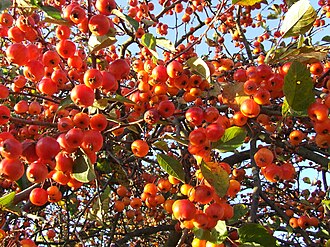
The genus Malus encompasses a fascinating array of plants, ranging from the familiar orchard apples we eat daily to the ornamental and wild crabapples that decorate temperate landscapes. Belonging to the Rosaceae family, these deciduous trees and shrubs have a deep evolutionary history, with fossil evidence dating back to the Eocene epoch.
Whether used for their beautiful spring blossoms, their role in supporting orchard ecosystems, or their unique culinary properties, the members of the Malus genus are essential to both nature and human culture.
Key Facts
- Genus Range: Includes approximately 32–57 species and several natural hybrids.
- Native Habitat: Temperate zones of the Northern Hemisphere.
- Growth Habit: Typically 4–12 metres (13–39 feet) tall at maturity.
- Pollination: Many species are self-sterile and require insect pollinators like bees.
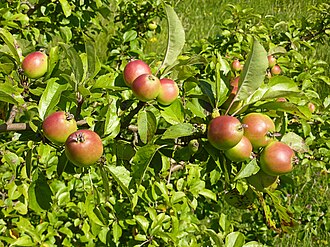
- Fruit Type: A globose pome, varying in size from small wild varieties to large cultivated orchard apples.
- Safety Note: Seeds contain cyanide compounds and should not be consumed.
Botanical Characteristics and Growth
Malus trees are characterized by a dense, twiggy crown and simple, alternate leaves with serrated margins. In the spring, they produce flowers in corymbs (flat-topped clusters). These flowers typically feature five petals in shades of white, pink, or red, and possess red stamens that produce significant amounts of pollen.
The timing of flowering is influenced by environmental factors, specifically occurring after 50–80 growing degree-days. Once the fruit develops, it forms a pome. At the center of this fruit, five carpels are arranged in a star-like pattern, each housing one or two seeds.
Pollination and Hybridization
A critical aspect of Malus biology is the distinction between self-pollinating and self-sterile varieties. While popular cultivars like 'Granny Smith' and 'Golden Delicious' are self-pollinating, many others require cross-pollination facilitated by insects, particularly bees. This makes pollinators vital for fruit production in many orchards.
Furthermore, many species within the genus hybridize freely, leading to a wide variety of natural and artificial hybrids used in gardening and agriculture.
Classification and Species Diversity
The genus is scientifically subdivided into eight sections. Currently, 36 species and four natural hybrids are widely accepted. The diversity is immense, spanning from the Malus domestica (the standard domestic orchard apple) to various wild species like Malus sylvestris (European crabapple).
| Type | Scientific Name | Common Characteristics |
|---|---|---|
| Domestic Apple | Malus domestica | Large fruit, widely cultivated for eating. |
| European Crabapple | Malus sylvestris | Wild species, smaller fruit. |
| Siberian Crabapple | Malus baccata | Used as a cold-hardy rootstock. |
| Wild Ancestor | Malus turkmenorum | Ancestor of the cultivated domestic apple. |
Practical Uses of Malus
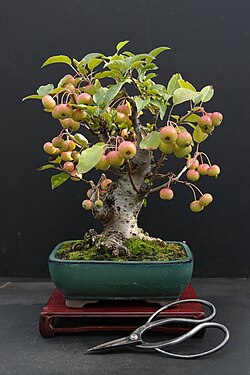
The utility of the Malus genus extends far beyond the fruit bowl. Because of their compact size and striking seasonal displays, crabapples are highly valued in ornamental gardening and are a popular choice in bonsai culture.
Agricultural Importance
In commercial orchards, crabapples serve two vital roles:
- Rootstocks: Varieties like Malus baccata are grafted onto domestic apple trees to provide increased cold hardiness.
- Pollinizers: Crabapple trees are often planted every sixth or seventh tree to ensure adequate pollen is available for the orchard.
Culinary and Industrial Applications
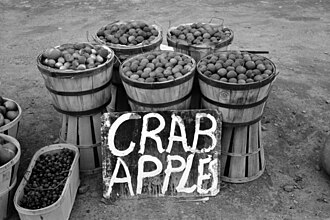
While many crabapples are too sour to eat raw due to high malic acid levels, they are excellent for making jellies and preserves. Their high pectin content makes them ideal for thickening fruit spreads. In some Southeast Asian cultures, they are used as a sour condiment with salt and chili.
Even the wood of the tree has value. Applewood burns hot and slow, making it excellent for cooking and smoking food. Historically, it was also used for manufacturing tool handles, such as those for hand saws.
Frequently Asked Questions
Are all crabapples edible?
While many are technically edible, most wild crabapples have a very sour taste due to high malic acid levels and a woody texture. Some specific cultivars, like 'Chestnut', are known to be sweet.
Why are bees important for apple trees?
Many apple varieties are self-sterile, meaning they cannot produce fruit using their own pollen. They require insects like bees to move pollen between different trees to achieve successful pollination.
Can I use crabapples for bonsai?
Yes, crabapples are very popular in bonsai culture because they produce abundant blossoms and small, aesthetically pleasing fruit.
Is applewood safe for cooking?
Yes, applewood is widely used for smoking foods because it provides a pleasant scent and burns steadily without producing excessive flames.
Are the seeds dangerous?
Yes, the seeds of Malus species contain cyanide compounds and should not be ingested.