Granny Smith Apples: The History and Versatility of a Global Favorite
Few fruits are as instantly recognizable as the Granny Smith apple. With its signature bright green skin and sharp, refreshing tang, this cultivar has transitioned from a chance seedling in colonial Australia to one of the most popular apple varieties in the world. Whether enjoyed fresh as a crisp snack or used to provide structure in a warm apple pie, the Granny Smith remains a staple in kitchens globally.
Key Facts
- Origin: Eastwood, New South Wales, Australia (1868).
- Discoverer: Maria Ann "Granny" Smith.
- Flavor Profile: Tart, acidic, and crisp.
- Primary Uses: Cooking (pies, crumbles) and fresh consumption.
- Storage: Exceptional shelf life due to low ethylene production.
- Parentage: Likely a hybrid of Malus domestica and Malus sylvestris.
The Surprising Origins of a Cultivar
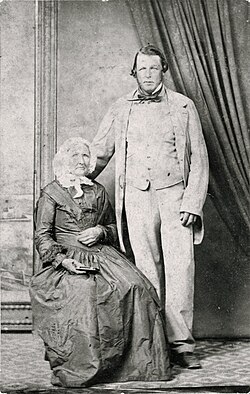
The story of the Granny Smith apple begins in 1868 in Eastwood, a suburb of Sydney, Australia. It was discovered by Maria Ann Smith (née Sherwood), an emigrant from East Sussex who had established an orchard in the district. While the exact circumstances of its emergence are subject to local lore, two primary stories exist.
One account suggests that a chance seedling sprouted near a creek where Smith had discarded the remains of French crab-apples from Tasmania. Another popular legend claims the seedling grew directly beneath her kitchen windowsill after she threw out apple cores while working. Regardless of how it began, Smith recognized the fruit's potential, propagating the trees and selling her produce at Sydney's George Street market.
From Local Seedling to Global Success
Following Smith's death in 1870, the cultivar gained momentum through the efforts of local planters like Edward Gallard. By the early 1890s, the apple began winning prizes at horticultural shows under names such as "Granny Smith's Seedling." The New South Wales Department of Agriculture eventually recognized its value, promoting it as a high-quality cooking apple suitable for export.
The Granny Smith's rise to international fame was fueled by its incredible shelf life. Because the fruit produces low levels of ethylene—the natural hormone that triggers ripening—it can be stored for up to nine months without losing quality. This allowed merchants to transport the apples long distances via cold storage, making them a major Australian export following the First World War.
Culinary Characteristics and Uses
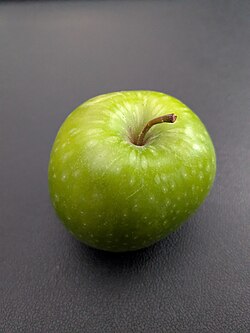
The Granny Smith is prized for its unique physical and chemical properties. The fruit is hard and firm, featuring a light green skin and juicy, crisp flesh. Its flavor is notably tart and acidic, which makes it a premier choice for culinary applications.
When used in baking, such as in apple pies, cobblers, or crumbles, the apple maintains its structural integrity and remains mostly sweet when paired with sugar. Beyond baking, it is a popular table apple for those who enjoy a tart snack, and it is even used in the production of specialty ciders.
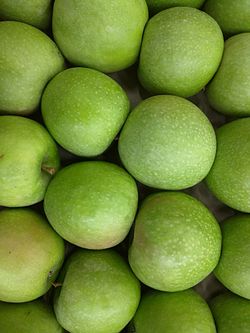
| Feature | Description |
|---|---|
| Color | Light green (turns yellow when overripe) |
| Texture | Hard, firm, and crisp |
| Flavor | Tart, sour, and acidic |
| Storage Life | Up to 9–12 months |
| Common Uses | Baking, pies, crumbles, and fresh eating |
Growing and Storage Challenges
While highly successful, the Granny Smith cultivar requires specific management. It is moderately susceptible to fire blight and is particularly prone to scab, powdery mildew, and cedar apple rust. Additionally, growers must manage risks such as superficial scald and bitter pit.
To ensure high-quality fruit, producers may use calcium sprays during the growing season to prevent bitter pit or utilize low-oxygen storage and diphenylamine treatments to control superficial scald. Because the cultivar requires fewer winter chill hours and a longer maturation season, it is often favored in milder growing regions.
Cultural Impact
The Granny Smith has left a mark on more than just the culinary world. In 1968, the rock band The Beatles utilized an image of a Granny Smith apple for their corporate logo, Apple Corps Limited. The fruit has also appeared in fine art, notably in Yoko Ono's work, and was honored by the United States Postal Service in a 2013 commemorative stamp set.
Frequently Asked Questions
Why is the Granny Smith apple so good for baking?
The apple is ideal for baking because it is hard and firm, meaning it retains its shape and texture even after being heated in pies or crumbles.
How long can Granny Smith apples be stored?
Due to their low ethylene production, Granny Smith apples can be stored for a very long time, often up to nine months or even a full year under the right conditions.
What does a Granny Smith apple look like when it is overripe?
While typically bright green, a Granny Smith apple will turn yellow as it becomes overripe.
Where did the Granny Smith apple originate?
The cultivar originated in Eastwood, New South Wales, Australia, in 1868.
Is the Granny Smith a sweet or sour apple?
The Granny Smith is known for its tart, sour, and acidic flavor profile, though it can taste sweeter when cooked with sugar.