Apple: History, Cultivation, and Nutritional Profile of Malus domestica
The apple, scientifically known as Malus domestica, is one of the most significant and widely cultivated fruits in the world. Belonging to the Rosaceae family, this deciduous tree produces a fruit that has shaped human history, mythology, and global agriculture for millennia. From its wild origins to the vast array of modern cultivars available today, the apple remains a cornerstone of both nutrition and culture.
![Map of the origins of the cultivated apple. The wild origin is in Kazakhstan; hybridisations and repeated domestications followed, modifying many attributes of the fruit.[26]](/images/1e/dc/1edc04e39eb49c4966a930efbebf0aa022d38f066bdf45511a8cdb9d3bdf041d.webp)
Key Facts

- Scientific Name: Malus domestica
- Family: Rosaceae
- Wild Origin: Kazakhstan (Malus sieversii)
- Top Producer: China (accounting for 49.6% of world production)
- Nutritional Highlight: High in dietary fiber and Vitamin C
Botanical Classification and Origins
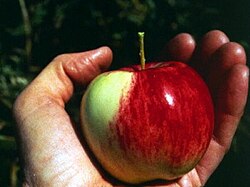
The apple is a member of the Rosaceae family, which also includes roses and many other fruit-bearing plants. Taxonomically, it falls under the genus Malus. While modern apples are highly domesticated, their evolutionary journey began with wild species.
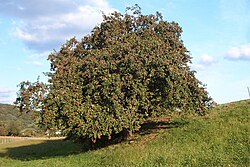
Research indicates that the wild ancestor of the modern cultivated apple is Malus sieversii, which originates from the forests of Kazakhstan. Through centuries of hybridization and repeated domestication, humans have modified the fruit's attributes, including size, flavor, and texture.
Cultivation and Breeding
Growing apples requires careful management of flowering periods and pollination. Apple trees are often categorized into groups based on when they bloom, which is essential for ensuring that different varieties in an orchard can cross-pollinate effectively.
Flowering Groups
To manage orchards, growers recognize several flowering stages:
- Group A: Early flowering (e.g., 'Gravenstein')
- Group B: Early-mid season (e.g., 'McIntosh')
- Group C: Mid-season (e.g., 'Granny Smith')
- Group D: Mid/late season (e.g., 'Golden Delicious')
- Group E: Late flowering (e.g., 'Braeburn')
- Group H: Very late flowering (e.g., 'Court-Pendu Gris')
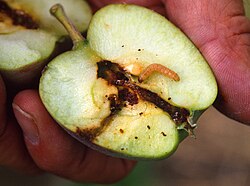
Successful cultivation also involves managing pests and diseases. One common threat is the codling moth, whose larvae can tunnel directly into the fruit, rendering it unmarketable.
Breeding and Varieties
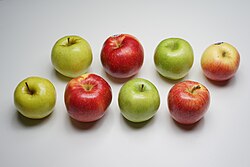
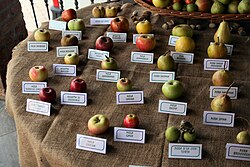
Modern apple breeding focuses on creating varieties with specific traits, such as crunch, sweetness, or resistance to browning. This has resulted in a massive diversity of cultivars, ranging from the tart 'Granny Smith' to the sweet 'Gala'.
Global Production and Harvest
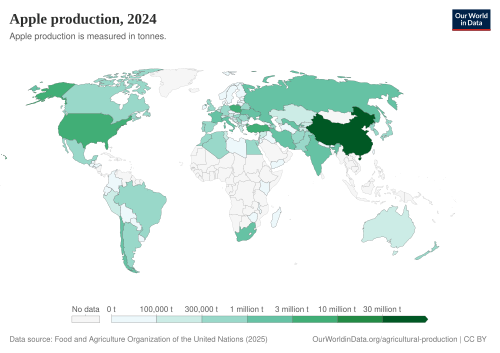
Apple production is a massive global industry. According to FAOSTAT data, China dominates the market, producing nearly half of the world's supply. Other significant producers include the United States, Turkey, and Poland.
| Country | Production Percentage (%) |
|---|---|
| China | 49.6 |
| United States | 5.2 |
| Turkey | 4.6 |
| Poland | 3.9 |
| India | 2.9 |
| Iran | 2.2 |
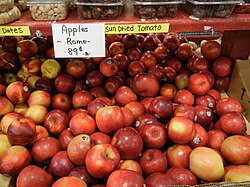
Harvesting often involves large-scale operations, particularly in regions like Wenatchee, Washington, where apples are picked and prepared for global distribution.
Nutritional Value
Apples are a nutrient-dense fruit, providing essential vitamins and minerals. A standard 100g serving contains approximately 52 kcal and is a good source of dietary fiber.
Nutrients per 100g
- Carbohydrates: 13.81 g
- Sugars: 10.39 g
- Dietary Fiber: 2.4 g
- Vitamin C: 5% DV
- Potassium: 4% DV
Cultural Significance and Mythology
Beyond nutrition, the apple holds a profound place in human culture and mythology. In Greek mythology, it appears in stories involving the Judgement of Paris and the Golden Apples of the Hesperides.
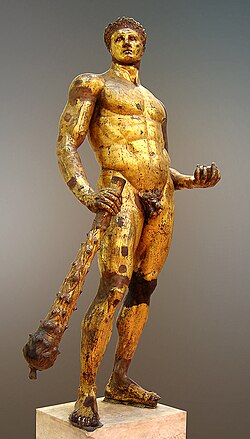
In Germanic and Celtic traditions, apple trees are often linked to divinity and prophecy. For example, in Welsh mythology, apple trees are frequently featured in the legends of Merlin.

In Christian art, the apple is famously used as a symbol, most notably in depictions of Adam and Eve, representing the forbidden fruit.
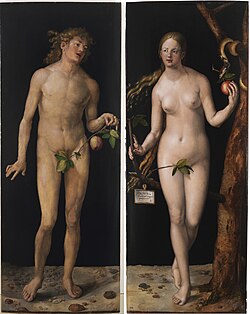
Cultural traditions also extend to modern customs, such as the practice in China of gifting "peace apples" (Píngānguǒ) during Christmas Eve.

Frequently Asked Questions
What is the scientific name of the apple?
The scientific name for the domestic apple is Malus domestica.
Where did apples originally come from?
The wild ancestor of the cultivated apple, Malus sieversii, is native to the region of Kazakhstan.
Which country produces the most apples?
China is the world's leading producer, accounting for 49.6% of global apple production.
Are apples healthy?
Yes, apples are a good source of dietary fiber, Vitamin C, and various minerals like potassium, providing approximately 52 calories per 100g.
What is a common pest for apple trees?
The codling moth is a significant pest, as its larvae tunnel into the fruit.