Republic of Malta
The Republic of Malta is a small yet strategically significant island nation located in the heart of the Mediterranean Sea. Known for its rich tapestry of civilizations, stunning coastlines, and deep-rooted religious traditions, Malta serves as a bridge between Europe and North Africa. From its prehistoric megalithic structures to its modern role as a member of the European Union, the archipelago is a testament to resilience and cultural fusion.
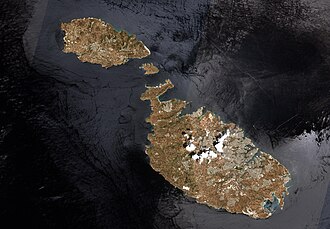
Key Facts
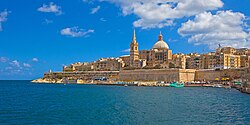
- Capital: Valletta, which also serves as the largest settlement.
- Official Languages: Maltese, English, and Maltese Sign Language.
- Government: Unitary parliamentary republic.
- Currency: Euro (€).
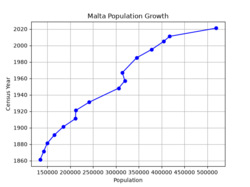
- Population: 588,254 (2025 census).
- Area: 316 square kilometers.
- HDI: 0.924 (Very High).
History and Heritage
Prehistory and Ancient Civilizations
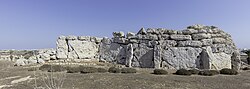
Malta's history begins in prehistory with the construction of massive megalithic temple complexes, such as Ġgantija, which predate many of the world's most famous ancient structures.
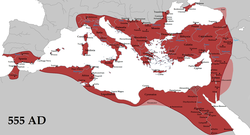
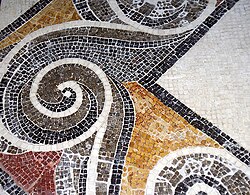
Over the millennia, the islands were inhabited and ruled by various powers, including the Phoenicians, Carthaginians, and Romans. During the Roman period, the islands became an integral part of the empire, leaving behind legacies such as the mosaics found in the Domvs Romana.
The Middle Ages and the Knights of Malta
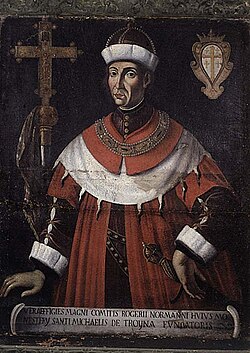
Following the Roman era, Malta experienced an Arab period that profoundly influenced the local language and culture. The Norman conquest eventually returned the islands to Christian rule under Roger I of Sicily.
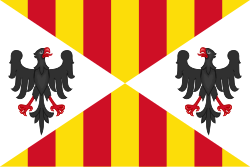
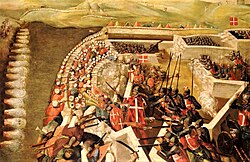
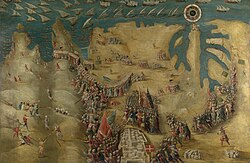
The islands later fell under the Crown of Aragon and eventually became the seat of the Knights of Malta. This era was marked by significant fortifications and the legendary Great Siege of 1565, where the knights successfully repelled an Ottoman attack.
Modern Era: From British Rule to Independence
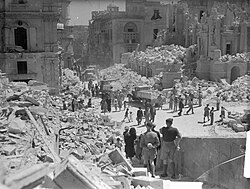
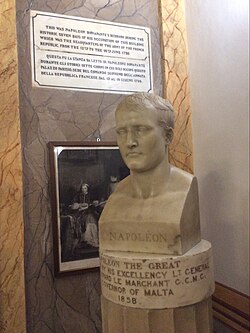
Malta transitioned through a brief French period before becoming a British colony. During World War II, the islands played a critical role in Mediterranean strategy and suffered heavy bombardment, particularly in the capital, Valletta.
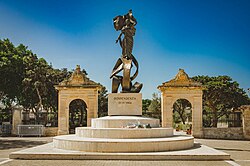
Malta gained its independence from the United Kingdom on September 21, 1964, and officially became a republic on December 13, 1974.
Geography and Climate
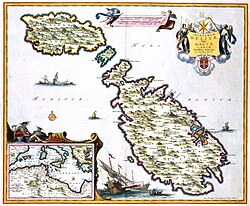
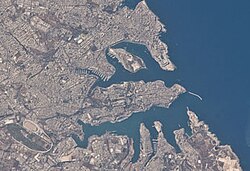
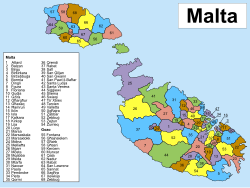
Malta consists of an archipelago, with the main island of Malta and the sister island of Gozo. The landscape is characterized by its limestone terrain and three large natural harbours on the main island.
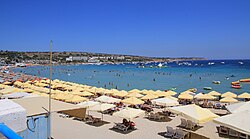
The climate is Mediterranean, featuring hot, dry summers and mild, rainy winters. The islands enjoy an abundance of sunshine, averaging over 3,000 hours per year.
Flora and Fauna
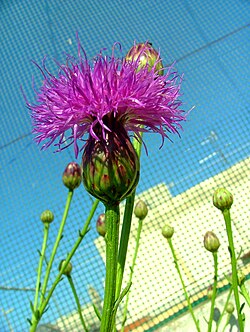
The native flora is adapted to the arid environment. The Maltese centaury (Widnet il‑Baħar) has been designated as the national plant since 1971.
Government and Economy
Political Structure
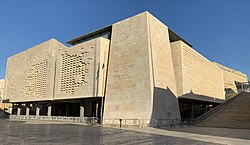
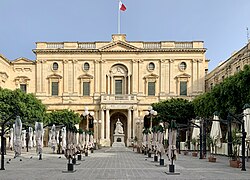
Malta is a unitary parliamentary republic. The current President is Myriam Spiteri Debono, and the Prime Minister is Robert Abela. The legislative power is vested in the Parliament of Malta.
Economic Profile
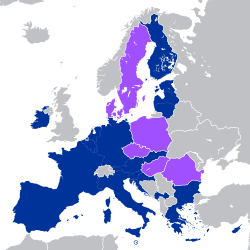
Malta possesses a high-income economy with a very high Human Development Index (HDI). Key economic drivers include tourism, banking, finance, and a growing film industry, often referred to as the "Mediterranean Hollywood." The country is a member of the Eurozone, utilizing the Euro as its official currency.
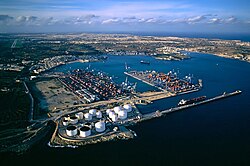
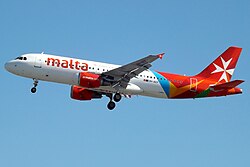
Infrastructure is supported by the Malta Freeport, one of Europe's largest ports, and the Malta International Airport.
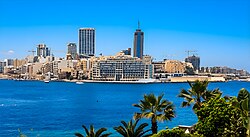
The skyline of the urban areas is evolving, with the Mercury Tower currently standing as the tallest building in the country.
Society and Culture
Demographics and Language
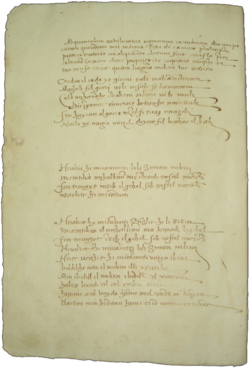
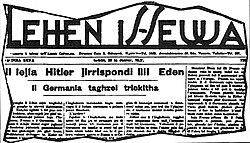
The population is predominantly Maltese (77.7%), with a significant percentage of other ethnic groups. The national language, Maltese, is a unique Semitic language with strong Romance influences, as seen in the oldest known text, Il-Kantilena by Pietru Caxaro.
Religion and Traditions
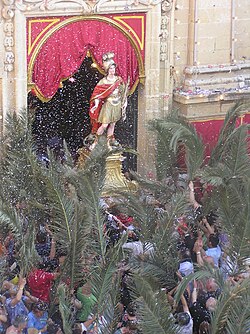
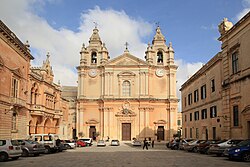
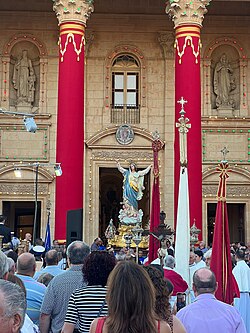
Catholicism is the official religion and remains the dominant faith, practiced by 82.6% of the population. This is reflected in the numerous ornate churches and the vibrant festas (village feasts) celebrated across the islands.
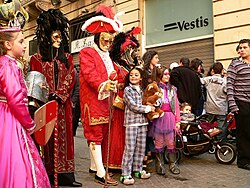
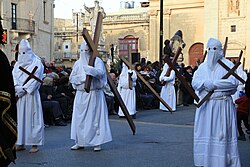
Cultural traditions also include the Maltese Carnival, celebrated since the 1400s, and Holy Week processions.
Arts and Cuisine
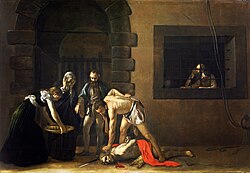
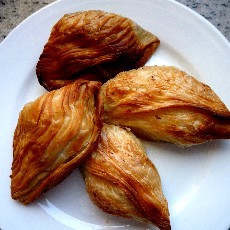
Malta has a rich artistic heritage, including works by Caravaggio, such as The Beheading of Saint John. In terms of gastronomy, the pastizzi—a traditional savory pastry—is one of the most iconic Maltese foods.
National Summary Table
| Category | Detail |
|---|---|
| Official Languages | Maltese, English, Maltese Sign Language |
| Population (2025) | 588,254 |
| GDP per capita (PPP) | $67,682 (2024 estimate) |
| Main Religion | Catholicism (82.6%) |
| Total Area | 316 km² |
| Currency | Euro (€) |
Frequently Asked Questions
What are the official languages of Malta?
The official languages of Malta are Maltese, English, and Maltese Sign Language.
When did Malta become a republic?
Malta gained independence from the United Kingdom on September 21, 1964, and officially became a republic on December 13, 1974.
What is the most iconic traditional food in Malta?
Pastizzi, a traditional Maltese pastry, is one of the most well-known and typical foods of the islands.
What is the dominant religion in Malta?
Catholicism is the official religion and is practiced by 82.6% of the population.
Which city is the capital of Malta?
Valletta is the capital and the largest settlement of the Republic of Malta.