Malacca 1511: The Portuguese Conquest and the Fall of a Sultanate
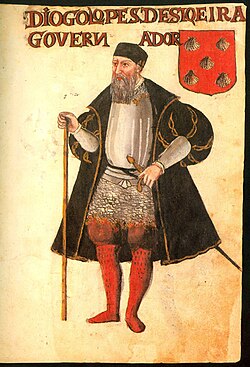
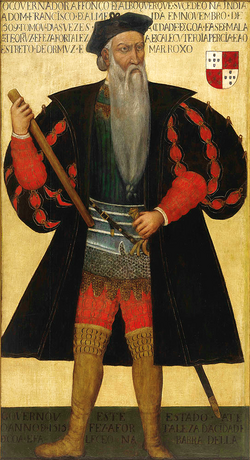
In August 1511, the course of Southeast Asian history was irrevocably altered when the Portuguese Empire launched a decisive campaign to seize the strategic port of Malacca. Led by Afonso de Albuquerque, the Governor of Portuguese India, this military operation aimed to secure control over the lucrative spice trade that flowed between China and India. The resulting conquest ended the dominance of the Malacca Sultanate and established a permanent Portuguese presence in the region.
Key Facts
- Date of Conquest: 15 August 1511
- Primary Leaders: Afonso de Albuquerque (Portuguese) vs. Mahmud Shah (Malacca Sultanate)
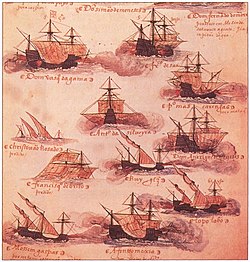
- Portuguese Forces: Approximately 1,500 soldiers and 800 auxiliaries, supported by 11 carracks, 3 caravels, and 2 galleys.
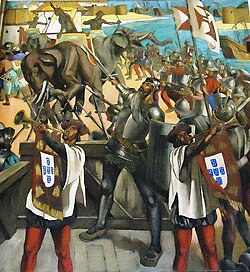
- Malaccan Forces: An estimated 20,000 fighting men, including 20 war elephants and 8,000 firearms.
- Outcome: Portuguese victory and the establishment of Portuguese Malacca.
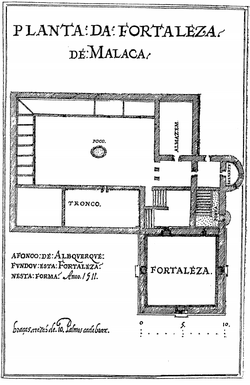
- Legacy: Construction of the A Famosa fortress.
The Strategic Importance of Malacca
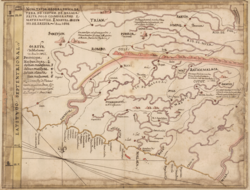
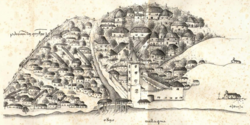
By the early 16th century, Malacca was one of the world's most vital commercial hubs. Situated at the crossroads of trade between China and India, the city was a melting pot of cultures. According to the Portuguese apothecary Tomé Pires, as many as 84 different dialects were spoken within its walls.
The city's merchant communities were incredibly diverse, including Arabs, Persians, Turks, Armenians, Bengalis, Siamese, and Chinese. The most influential groups were the Muslim Gujaratis and Javanese, the Hindus from the Coromandel Coast, and the Chinese. While historical estimates of the population vary—ranging from Damião de Góis's 30,000 to Albuquerque's 100,000—modern scholars generally place the population at approximately 40,000 residents.
The Spice Trade and Portuguese Ambition
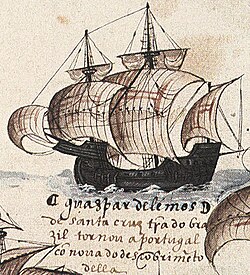
Portuguese interest in Malacca grew following Vasco da Gama's successful expedition to Calicut. Reports described Malacca as a city where cloves, nutmeg, porcelain, and silk were traded in abundance. King Manuel I of Portugal sought to establish contact with the city, believing it to be located near the antimeridian of the Treaty of Tordesillas. In 1505, Dom Francisco de Almeida was dispatched as the first Viceroy of Portuguese India to investigate the region's precise location and potential.
The Forces Prepared for War
The conflict pitted a highly mobile, technologically advanced Portuguese fleet against a massive, localized defense force. The Malacca Sultanate, which at the time controlled much of the Malay Peninsula and northern Sumatra, mobilized a significant military response. The Sultan recruited thousands of mercenaries from Java and 3,000 Turkic and Iranian bowmen.
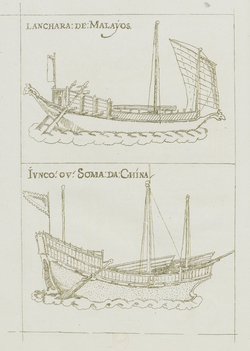
The Sultan's arsenal was formidable, featuring 8,000 gunpowder weapons, including lantaka (small swivel guns) and heavy muskets. However, Albuquerque noted that while the Sultan could muster 20,000 men, many were not battle-ready. The Malaccan naval strength relied on smaller vessels like the lancaran and perahu, as the region lacked a large-scale shipbuilding industry for ocean-going vessels.
| Feature | Portuguese Empire | Malacca Sultanate |
|---|---|---|
| Personnel | ~1,500 soldiers & 800 auxiliaries | ~20,000 fighting men |
| Naval Vessels | 11 carracks, 3 caravels, 2 galleys | 150 perahu, various lancaran |
| Artillery/Firearms | Up to 400 guns | 8,000 firearms and cannons |
| Special Units | N/A | 20 war elephants |
The Conquest and the Sack of Malacca
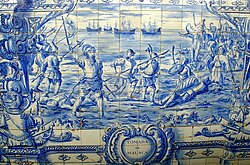
Following the military engagement, Albuquerque ordered an orderly sack of the city. To maintain stability, he strictly forbade the looting of households belonging to Chinese, Hindu, and Peguans who had supported the Portuguese. The plunder recovered was immense, including over 200,000 cruzados and 3,000 bronze and iron bombards.
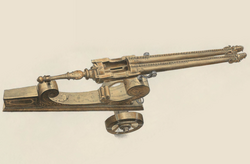
The Portuguese were particularly impressed by the quality of Malaccan gunfounding. They captured various types of artillery, including esmeril (swivel guns), falconets, and sakers (long cannons). Albuquerque noted that the Malaccan gun carriages were unrivaled, even by those in Portugal.

Establishing a Permanent Presence: A Famosa
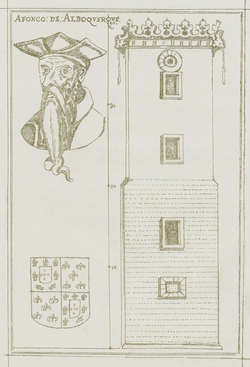
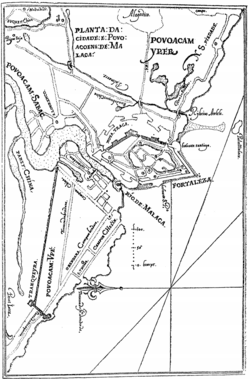
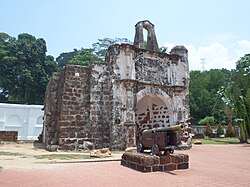
Unlike previous expeditions, Albuquerque intended to hold Malacca permanently. To secure the territory, he ordered the construction of a massive fortress near the shoreline. This fortification became known as A Famosa, named for its unusually tall keep, which rose over 18 meters high.
The construction of the fortress was a massive undertaking. Because the city lacked sufficient stone, materials were brought in by ship. Interestingly, the Portuguese utilized stone from a local sepulcher (rock-cut tomb) and the foundations of the city's mosque to complete the structure. The fortress served as the administrative and military heart of Portuguese Malacca for years to come.
Frequently Asked Questions
Who led the Portuguese forces during the conquest?
The expedition was commanded by Afonso de Albuquerque, the 2nd Governor of Portuguese India.
What was the primary goal of the Portuguese in Malacca?
The primary goal was to control the strategic maritime trade routes and secure access to the spice markets of the East.
What was 'A Famosa'?
A Famosa was the name given to the Portuguese fortress built in Malacca following the conquest, characterized by its exceptionally tall keep.
How did the Malaccan military defend the city?
The Sultanate utilized a large force of approximately 20,000 men, including mercenaries, 8,000 gunpowder weapons, and 20 war elephants.
What happened to the Malacca Sultanate after 1511?
The conquest resulted in the destruction of the Malacca Sultanate, leading to the independence of other territories such as Kampar and Pahang.